
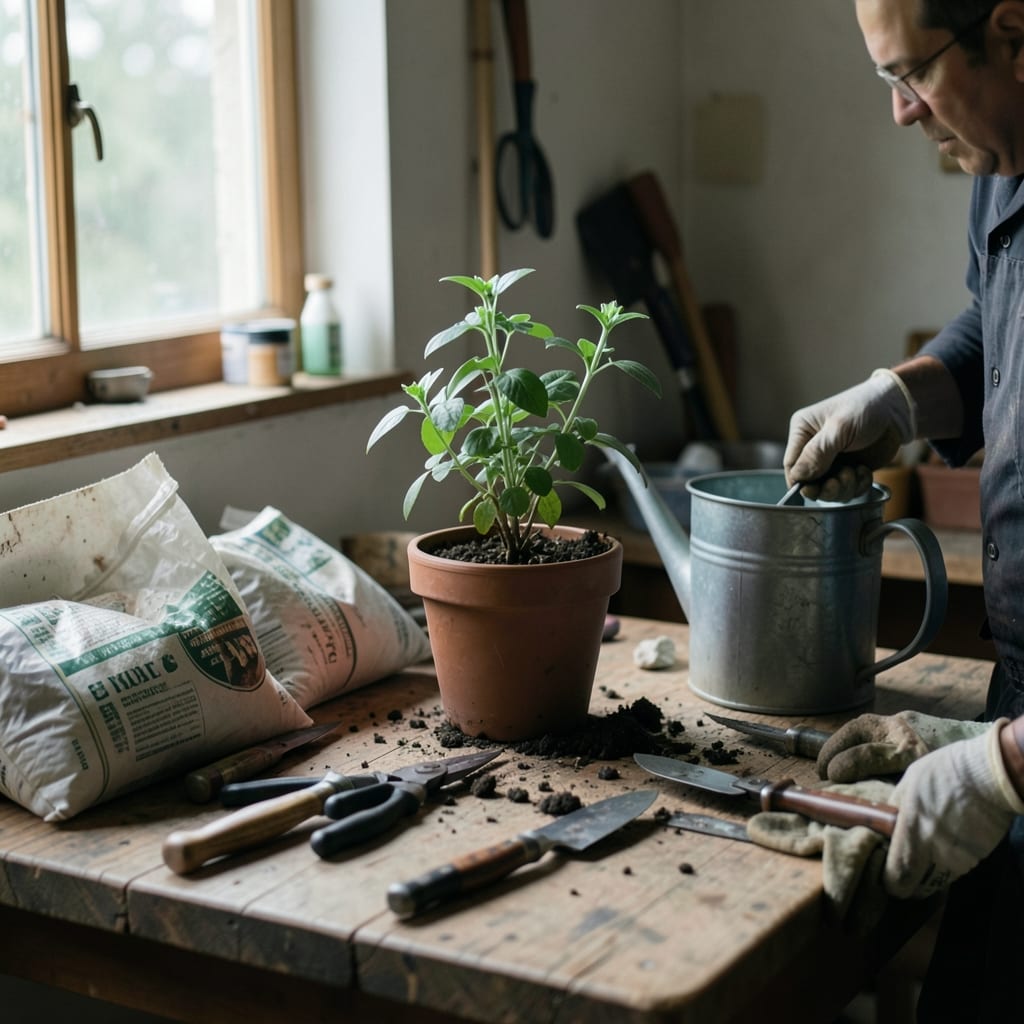
You have read a hundred of these
You’re right to be sceptical. Most gardening sites either regurgitate the same tired advice or pretend that ‘organic’ and ‘low-maintenance’ mean the same thing.
We’ve seen the before-and-after photos where the garden looks perfect—but the soil was pre-dug by a crew, the plants were pre-watered by a drip system, and the ‘natural’ look cost more than a small mortgage payment.
We don’t do that. This isn’t a catalog of plants that *should* thrive in your zone if you follow the rules perfectly. It’s a record of what *did* thrive—or didn’t—in our own beds, after years of trial, error, and the occasional total wipeout.
The roots here are real, the soil is real, and the failures are real too.
If you’re looking for a site that tells you to ‘plant in full sun’ without explaining what that *actually* means when your yard is half-shade and your neighbor’s oak drops acorns like hail, you’ve come to the wrong place.
But if you’ve ever stared at a seed packet wondering why your tomatoes kept turning to leaf-mold soup, you’re in the right spot.
We’ve seen the gardens where the steps were written by someone who’d never held a trowel before—and the readers who paid for the privilege of failing anyway.
Anyone can write that they test things
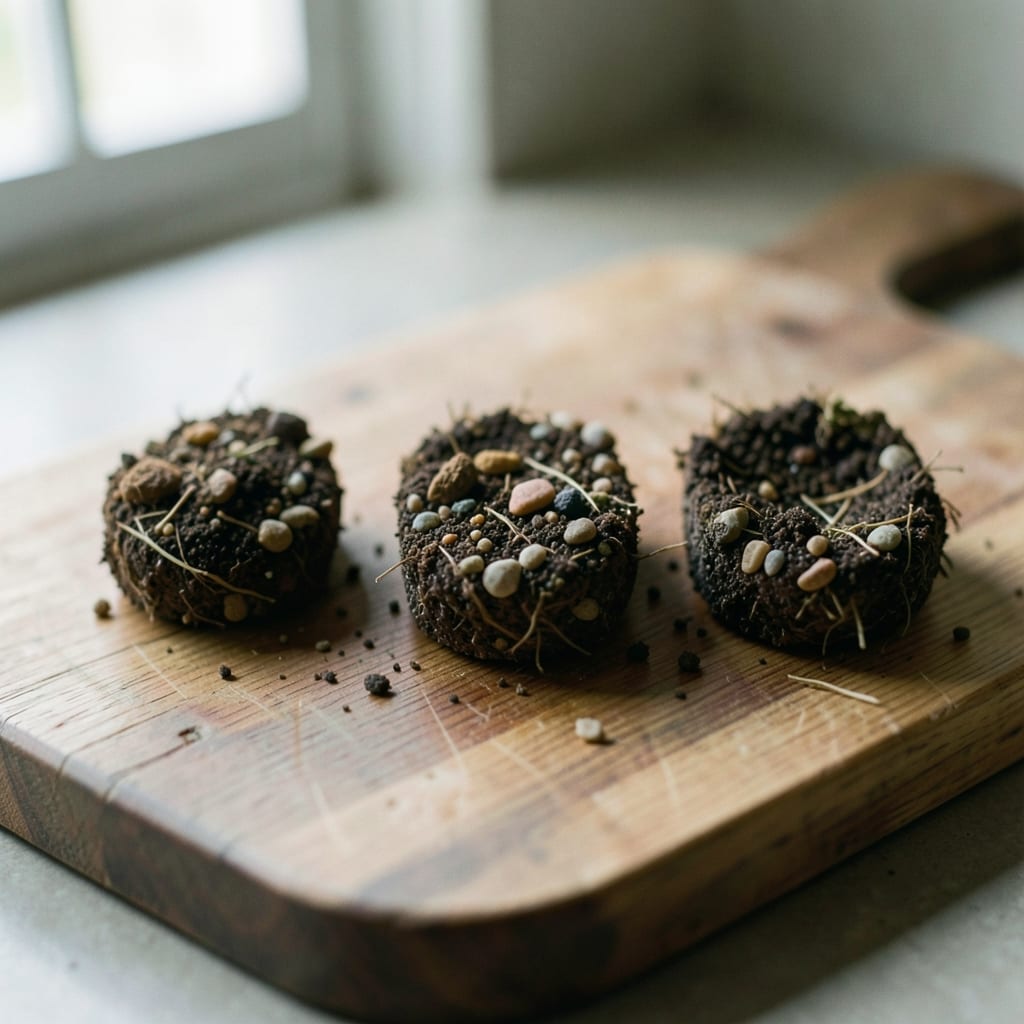
Testing isn’t a badge we slap on a bio. It’s a process that starts before dawn and ends after dark, with gloves stained by dirt, not ink.
We’ve planted the same variety of basil in three different soil mixes—one amended with composted leaves, one with worm castings, one with straight peat—and tracked the growth over six weeks. The peat version bolted by week three. The castings version survived a heatwave and kept producing until frost.
We’ve timed how long it takes for seeds to germinate in a heated mat versus a seedling tray on a windowsill. (Spoiler: the mat wins, but only if you’re willing to babysit the moisture levels like a newborn.) We’ve let zucchini vines sprawl uncontrolled one summer and pruned them ruthlessly the next, then compared the yield.
The uncontrolled ones produced 47 pounds; the pruned ones, 32—but the pruned plants lasted until October instead of collapsing by August.
And yes, we’ve killed things. A entire raised bed of ‘heirloom’ tomatoes in 2022, thanks to a fungal infection we didn’t catch until the vines were already blackened. We dug it out, burned the debris, and replanted with copper-treated soil the following spring. That’s not ‘testing’—that’s gardening.
We track humidity, rainfall, and soil pH for every crop, because a ‘tested’ tomato in Arizona won’t survive a Pacific Northwest winter—and vice versa.
About the author
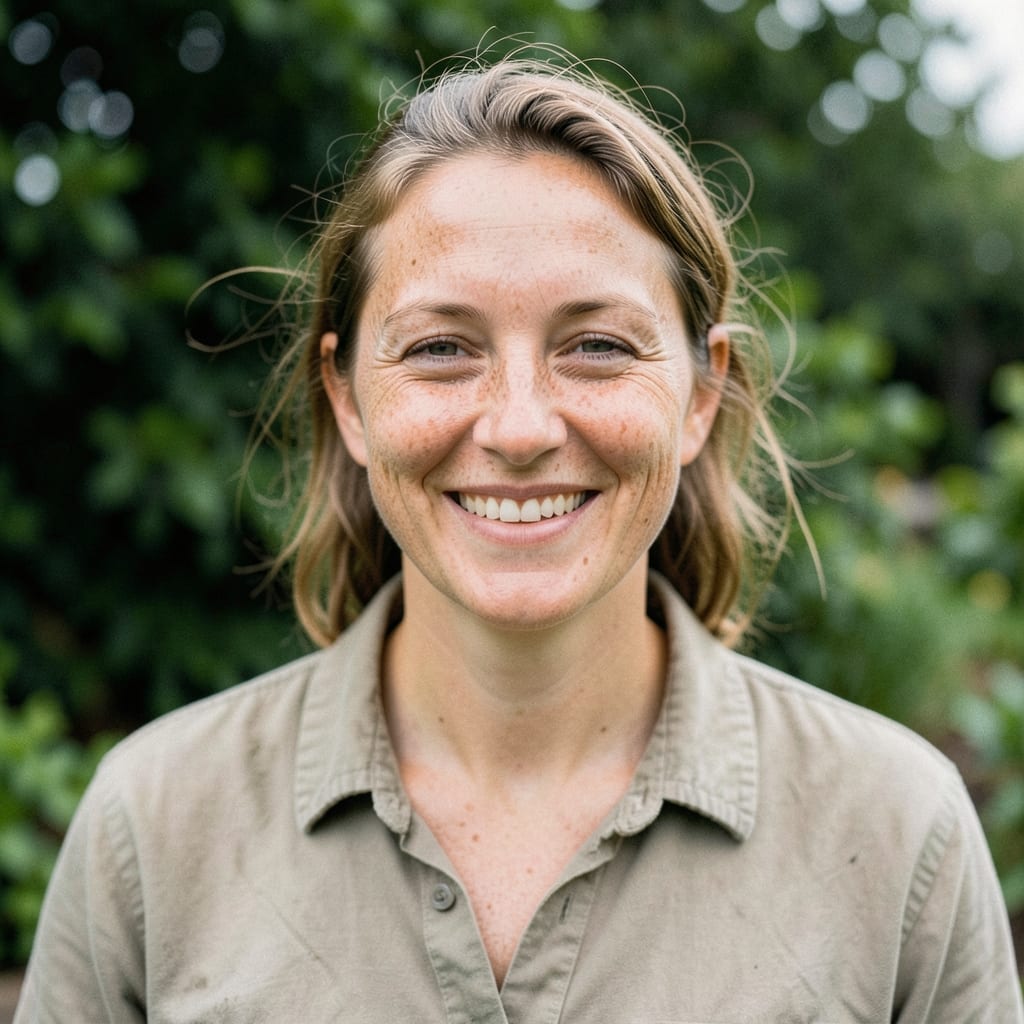
Hakeem Faulkner is the founder and editor, which means he’s the one who still has dirt under his nails after every article is written.
The rules we work by
- 1We name the failures first
Every ‘tip’ here starts with what went wrong before it tells you how to fix it. A ‘perfect’ garden is a myth; we’d rather show you the cracks in the foundation. The soil test results that said your pH was ideal? We’ll tell you how the blueberries still died anyway—and why.
- 2We use the same tools you do
No $200 gadgets, no ‘pro’ labels. If we recommend a drip irrigation system, it’s one you can buy at a hardware store, not a farm supply catalog. The cost? Your time, because setting it up wrong the first time means replanting in six weeks.
- 3We grow what we eat
No ornamental plants that look pretty but won’t survive a week in your kitchen. If it’s not on our dinner table by August, it’s not on this site. The trade-off? We’ll never tell you to plant a ‘chocolate cosmos’—because yes, it’s edible, but it tastes like dirt and wilts by noon.
- 4We admit when we’re wrong
That ‘foolproof’ composting method we swore by? Turns out it only works if your bin stays between 120°F and 140°F—and ours never does. We updated the post. The cost? Your trust, but also our own credibility. Better to eat crow now than have you dig up dead plants later.
- 5We don’t care about likes
A ‘viral’ gardening hack that involves soaking seeds in coconut water for 48 hours? We tried it. The basil sprouted in three days—but the soil bacteria hated it, and the second batch rotted. The photo might’ve gotten shares, but the method didn’t work. The cost? Popularity. The gain? Honesty.
Breaking one of these rules isn’t a sin—it’s how we learn. The year we ignored the ‘plant beans after the last frost’ advice and sowed them in early May? The slugs annihilated the lot. The year we skipped the mulch in a drought? The zucchini vines wilted by July.
But those failures taught us more than a dozen ‘perfect’ seasons ever could. The difference is, we write about the mess too.
This will not be right for everyone
Close this page now if you’re looking for a site that tells you which ‘superfood’ herbs to grow or how to turn your backyard into a Instagram-worthy ‘edible landscape.’ We’re not here to sell you on the idea that gardening is a performance—it’s a process, and half the time, the process involves pulling weeds in the rain while questioning your life choices.
This site is for people who’ve already Googled ‘why are my peppers cracking’ at 2 AM and gotten more questions than answers.
For those who’d rather hear ‘your soil is too alkaline, here’s how to fix it’ than ‘just buy better soil.’ For anyone who’s ever stared at a seed packet and thought, *‘This can’t possibly be right.’* (It usually isn’t.)
You could just be told what you want to hear
We could’ve told you that ‘all you need is sunlight and love’—but we’ve watched enough gardens collapse under that advice to know better.
Instead, we’ll tell you that your ‘full sun’ spot might actually be 40% shade after the neighbor’s maple grows another branch, and that ‘love’ won’t save your tomatoes if the soil’s compacted clay. The truth isn’t always pretty, but it’s the only thing that grows.
Worth telling us
- The gardening myths that *still* work—like planting potatoes in buckets, even though the internet says it’s ‘not traditional.’
- What we learned from the garden that died—because even the ‘experts’ get it wrong sometimes.
- The tools we’ve thrown out (literally) after they failed us—no affiliate links, just brutal honesty.
The guides are grouped by category: Advice, Aphids, Blooming, Companion Plants, Container Gardens and Diseases.