
Flowers
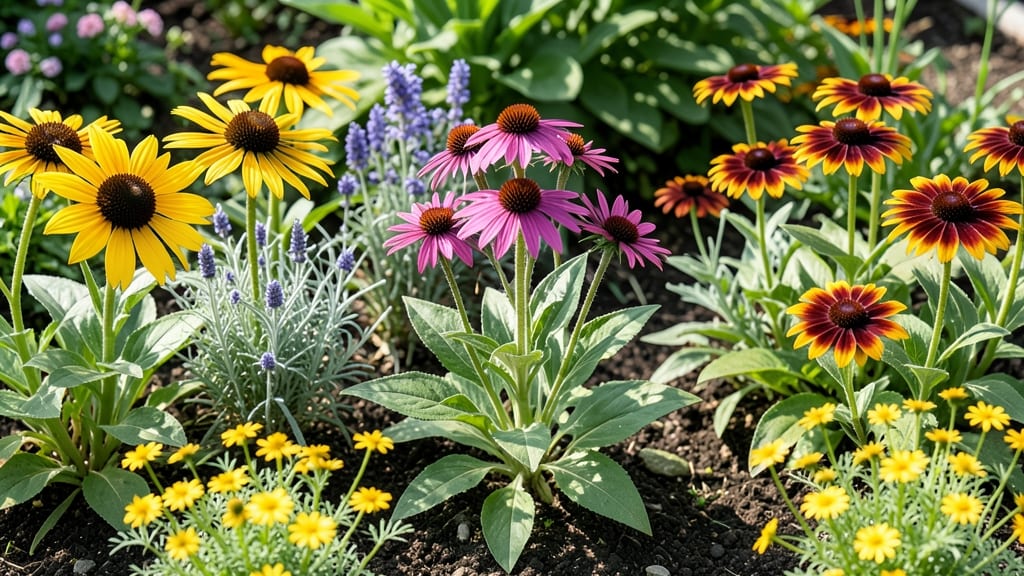
Your flower bed dirt needs to be loose, fertile, and well-draining—the kind that lets roots spread without suffocating, where every bloom thrives from the first planting. 🌸 I learned the hard way that store-bought "garden soil" packed with clay just won’t cut it; my peonies and daylilies struggled until I built my own mix.
The secret lies in balancing texture, nutrients, and organic matter to match your flowers’ needs—whether they’re drought-tolerant perennials or thirsty annuals.
Start with equal parts topsoil, compost, and coarse sand (or perlite for lighter mixes), then tweak based on your climate. Sandy soils? Add more compost and peat moss to hold moisture. Heavy clay? Mix in 30% perlite or vermiculite to improve aeration.
For nutrient-hungry flowers like hydrangeas or roses, blend in 1-2 cups of worm castings or bone meal per cubic foot—this boosts phosphorus for strong roots and blooms. Test your existing soil first; a simple jar test reveals drainage issues before you dig.
Once mixed, your flower bed dirt should crumble like dark, crumbly cake when squeezed—not stick to your gloves or repel water. Planting in this medium means fewer wilting leaves, more vibrant blooms, and roots that explore instead of circling.
For perennials, aim for 6-12 inches of amended soil; annuals need 4-6 inches to establish quickly. The payoff? Flowers that rebloom all season and survive droughts or heatwaves with minimal fuss.
Pro tip: Top-dress annually with 1-2 inches of compost to replenish nutrients, and mulch with straw or shredded leaves to lock in moisture. Avoid common pitfalls like over-amending with fresh manure (it burns roots) or skipping sand in clay-heavy areas—both lead to stunted growth.
With this mix, even finicky flowers like dahlias or cannas will reward you with showstopping blooms from spring to frost.
📚 In This Guide
- What you need
- Instructions
- Tips and common mistakes
- Wrapping up and next steps
What you need
- ● Topsoil: 50% of the mix (2 parts). Use high-quality, well-draining topsoil (e.g., compost-blended or garden loam).
- ● Compost: 30% of the mix (1.5 parts). Opt for mature compost (avoid fresh manure) to provide organic nutrients without burning plants.
- ● Perlite or Vermiculite: 10% of the mix (½ part). Adds aeration and prevents compaction (perlite is lighter; vermiculite retains moisture).
- ● Sand (coarse or horticultural): 10% of the mix (½ part). Improves drainage—avoid fine sand, which can clump.
- ○ Balanced fertilizer: 1 tbsp per 10 sq ft (optional but recommended for nutrient boost). Choose a slow-release 10-10-10 or organic option like bone meal or worm castings.
- ● Garden shovel or spade: For digging and mixing.
- ● Wheelbarrow or large bucket: To transport and blend materials (at least 3-5 gallons capacity).
- ● Garden rake: For leveling and smoothing the soil.
- ● Gloves: Protect your hands from dirt and sharp edges.
- ● Measuring tape or ruler: To mark flower bed dimensions (if planning a new bed).
- ● Watering can or hose: For moistening the mix before planting.
- ● Peat moss or coconut coir: 5-10% replacement for compost (improves moisture retention in sandy soils).
- ● Mycorrhizal fungi: Sprinkle 1 tbsp per plant to enhance root health.
- ● Mulch (straw, pine needles, or shredded bark): Apply a 2-inch layer after planting to retain moisture.
- ● pH tester kit: Check soil acidity (ideal range for most flowers: 6.0–7.0; amend with lime or sulfur if needed).
Step-by-Step guide to building a loose, nutrient-rich flower bed mix
Here's how I create a perfect planting medium—fluffy, fertile, and designed to help roots spread freely.
🌱 Step 1: Gather the Base Components
Start with 50% garden soil from your yard or a high-quality topsoil blend. This provides the foundational minerals and organic matter your flowers need. I sift it first to remove rocks and clumps—nothing larger than a quarter should remain. The goal is a fine, crumbly texture that won't compact when wet.
Add 30% compost—well-aged, dark, and crumbly—not the fresh, steaming kind that burns roots. I like to use a mix of finished compost and worm castings for that extra nutrient boost. This ratio ensures your mix holds moisture without becoming waterlogged, while also feeding beneficial microbes that help roots grow.
🌿 Step 2: Improve Drainage and Aeration
Mix in 15% coarse sand or perlite to break up the soil and create air pockets. I use builder's sand because it's coarse enough to prevent clumping while still allowing water to drain quickly. If you're working in heavy clay soil, this step is critical—it prevents roots from suffocating and keeps your flowers thriving.
For an extra boost, add 5% peat moss or coconut coir to help retain moisture without compacting. This is where I adjust based on my climate: in hot, dry areas, I increase the peat moss to 10% to lock in water, while in rainy regions, I stick with 5% to prevent sogginess.
💧 Step 3: Blend Thoroughly for Uniformity
Use a shovel or garden fork to mix everything together until the blend looks uniform. I like to dig a trench in the flower bed, layer the components, and then flip the soil over to ensure even distribution. This method prevents pockets of pure compost or sand that could create uneven growing conditions.
Test the texture by squeezing a handful—it should hold together when damp but still crumble easily when dry. If it feels too dense, add another 5% sand or perlite. If it feels too gritty, mix in a bit more compost. The right balance feels like a damp sponge, not concrete or powder.
✂️ Step 4: Amend for Specific Plant Needs
For bulbs and perennials, I add a handful of bone meal to the mix—about 1 cup per 4 cubic feet—to provide phosphorus for root development. For annuals and flowering plants, a sprinkle of kelp meal (about ½ cup per 4 cubic feet) gives them a potassium boost for vibrant blooms.
If your soil test shows deficiencies, this is the time to add lime for acid-loving plants like hydrangeas or sulfur for blueberry bushes. I always keep a small bag of each on hand—just a teaspoon per plant is usually enough to adjust the pH slightly without shocking the roots.
☀️ Step 5: Prepare the Flower Bed
Remove any existing weeds or grass from the area, then loosen the native soil with a broadfork or tiller to a depth of 12 inches. This breaks up compacted layers so roots can penetrate easily. I work in sections no larger than 4 feet by 4 feet to avoid overworking the soil.
Spread your custom mix over the loosened soil to a depth of 6 inches, then gently rake it smooth. Water lightly to help it settle, and let it sit for 24 hours before planting. This gives the mix time to stabilize and ensures your flowers get off to the right start without disturbing the soil structure.
Tips & tricks for perfect flower bed mix
These are the details that turn good planting soil into exceptional flower bed dirt—where roots thrive and blooms shine.
Soil Quality Matters: For the 50% garden soil in Step 1, avoid heavily clay or sandy native soil from your yard—these extremes can throw off the balance. If your yard soil is questionable, supplement with 10-20% more high-quality topsoil to ensure proper structure. I've learned this the hard way after watching delicate perennials struggle in compacted native soil.
Compost Consistency is Key: The 30% compost should be dark, crumbly, and smell earthy—not pungent or steaming. Fresh compost can burn tender roots, while over-aged compost loses its nutrient punch. I test compost by squeezing a handful: it should hold together but not drip water. If it feels slimy or sticky, it's too fresh.
Drainage Adjustments: In Step 2, if you're using perlite instead of coarse sand, remember it's lighter and may require 5-10% more by volume to achieve the same drainage effect. For clay-heavy areas, I sometimes add an extra 5% perlite to prevent that suffocating feeling roots hate. The goal is a mix that drains like a well-worn sponge—not like concrete or powder.
Texture Test: After blending in Step 3, the squeeze test is your best friend. The ideal mix should feel like a damp sponge: firm enough to hold its shape when squeezed, but crumble easily when dry. If it feels like wet sandpaper, add more compost; if it feels like wet cement, add more sand or perlite. This texture ensures both moisture retention and oxygen flow to roots.
Pro Tips for Flower Bed Dirt
- These are the details that turn good planting soil into exceptional flower bed dirt—where roots thrive and blooms shine.
- Soil Quality Matters: For the 50% garden soil in Step 1, avoid heavily clay or sandy native soil from your yard—these extremes can throw off the balance.
- Compost Consistency is Key: The 30% compost should be dark, crumbly, and smell earthy—not pungent or steaming.
Frequently asked questions
Got questions about flower bed dirt?
You’re not alone! Here are answers to the most common concerns—from timing to troubleshooting—to help you create the perfect planting mix for your garden.
What’s the best ratio of topsoil to compost for flower beds?
A 50/50 mix of high-quality topsoil and compost is ideal for most flowers. This balance ensures good drainage while retaining moisture and nutrients. For heavy clay soil, increase compost to 60% to improve aeration. Light, sandy soil? Add 30% peat moss or coconut coir to boost water retention.
When is the best time to prepare flower bed dirt?
Plan ahead! Early spring (before planting) or late summer/fall (6–8 weeks before winter) are the best times. This gives soil microbes time to break down organic matter. Avoid amending soil in extreme heat or cold, as it can stress roots or slow decomposition.
Can I use regular garden soil instead of a custom flower bed mix?
While you can use regular garden soil, it often lacks the looseness and nutrients flowers crave. For better results, amend it with compost, perlite, and worm castings. If your soil is compacted, consider a no-dig approach—top-dressing with mulch or compost annually works wonders over time.
Why is my flower bed dirt too compacted or clumpy?
Compacted soil usually stems from lack of organic matter or heavy foot traffic. Fix it by:
- Adding coarse sand or perlite (10–20%) to improve drainage.
- Mixing in well-rotted manure or coconut coir to loosen texture.
- Avoiding walking on the bed—use stepping stones or boards.
How often should I refresh flower bed dirt?
Top up with 1–2 inches of compost annually to replenish nutrients. For heavy feeders (like roses or hydrangeas), refresh every 6 months. Mulch with straw or shredded leaves to slow decomposition and reduce weeding. Over time, your soil will stay lush and fertile!
Wrapping up and next steps
Creating the perfect flower bed dirt is all about balancing loose texture, nutrients, and drainage—just like we’ve covered! 🌱 With the right mix of garden soil, compost, and perlite, your blooms will thrive in a happy, healthy environment.
Don’t let perfection hold you back: start small, experiment, and watch your garden flourish.
Ready to transform your flower beds? Grab your tools, gather your materials, and get planting! Your future garden will thank you.