
Pests
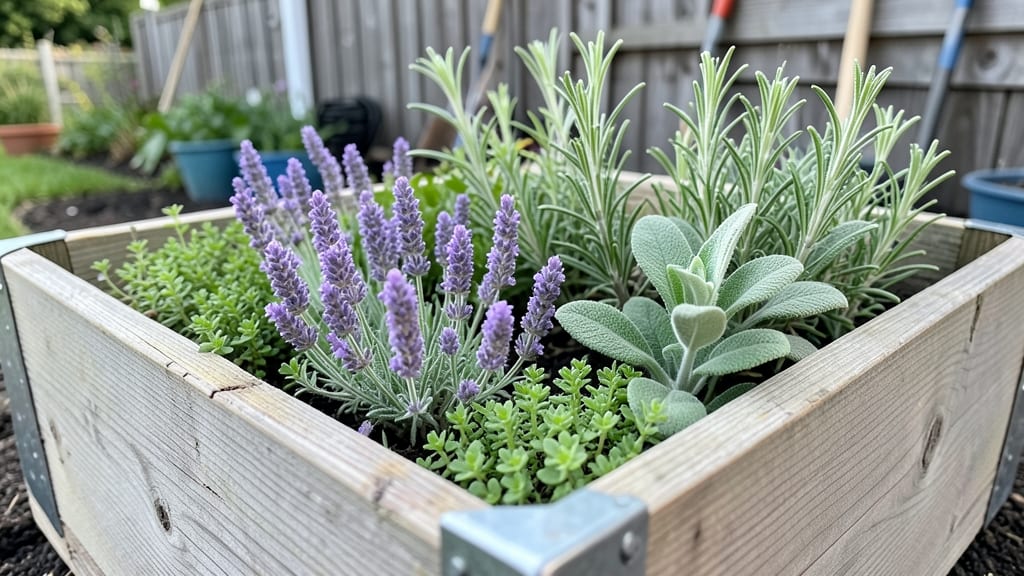
When deer turn your garden into their all-you-can-eat buffet, deer-proof raised garden bed plans become your secret weapon. 🌱 I’ve watched my neighbors’ hard work vanish overnight—until I built these beds with metal edging and a sturdy frame that even the most determined deer can’t breach.
The key is combining heavy-duty materials like galvanized steel or cedar with a design that’s both functional and sneaky. Think 8-foot-tall walls (yes, really) hidden behind ornamental grasses or climbing vines, so your garden looks intentional, not like a fortress.
Costs run higher than basic beds, but the payoff—zero lost tomatoes, peppers, or hostas—is worth every penny.
By the time you’re done, you’ll have a predator-resistant fortress that blends into your landscape while keeping your harvest safe. The best part? No more late-night vigilance or fencing repairs—just a stress-free growing season where your plants thrive without becoming a deer’s snack.
Whether you’re starting from scratch or retrofitting an existing bed, these plans work for any yard size and climate. Let’s build something deer won’t dare touch.
📚 In This Guide
- What you need
- Instructions
- Tips and common mistakes
- Wrapping up and next steps
What you need
- ● Lumber: Pressure-treated 6x6 or 8x8 posts (4–6 posts, depending on bed size; minimum height: 36")
- ● 2x6 or 2x8 boards (quantity based on bed dimensions; e.g., 8 ft long for a 4x8 ft bed)
- ● Hardware: Galvanized or stainless steel screws (2.5"–3" deck screws, ~120–150 screws total)
- ● Exterior-grade corner brackets (4–8, depending on bed size)
- ● Landscape Fabric: Heavy-duty (30–40 lb test) (1 roll, slightly larger than bed footprint)
- ● Garden Soil: High-quality raised bed mix (quantity based on bed volume; e.g., ~1 cubic yard for a 4x8x12" bed)
- ○ Metal Mesh or Hardware Cloth: 1/4"–1/2" mesh (enough to cover the top perimeter of the bed; optional but highly recommended)
- ● Power drill (with drill bit set)
- ● Circular saw or miter saw (for cutting lumber)
- ● Measuring tape and speed square
- ● Level (to ensure bed is even and plumb)
- ● Staple gun (for securing landscape fabric)
- ● Work gloves and safety glasses
- ● Post hole digger or auger (if burying posts)
- ● Chicken wire or hog wire (for extra perimeter protection)
- ● Deer-resistant plants (e.g., lavender, marigolds, or daffodils for natural deterrents)
- ● Motion-activated sprinkler (for automated deer deterrence)
- ● Paint or stain (to extend lumber life and add curb appeal)
Step-by-Step instructions for building deer-proof raised garden beds
Here’s how to create a fortress for your plants—deer won’t stand a chance with these predator-resistant designs.
🪴 Step 1: Choose and Prepare the Location
Select a spot with 6+ hours of sunlight and minimal deer traffic. I always check for existing deer trails or rub marks on trees—those areas are high-risk. Avoid planting near dense shrubs or wooded edges where deer can lurk unseen. Clear the ground of weeds and rocks, then mark your bed’s dimensions with stakes and string. For a 4-foot-wide bed, I use 8-foot lengths of lumber to create a classic rectangular shape.
Level the ground carefully—uneven bases cause structural stress over time. Use a 4-foot level to check for dips or slopes. If your yard has a slight incline, build the bed on the uphill side to prevent erosion from water runoff. This also makes it harder for deer to jump in from the side. I like to add a 6-inch layer of landscape fabric under the bed to block weeds and burrowing pests.
🪴 Step 2: Build the Frame with Predator-Resistant Materials
Construct the frame using rot-resistant lumber like cedar or pressure-treated pine, cut to your desired dimensions. For a 4-foot-wide by 8-foot-long bed, I use 2x12 boards for the bottom and 2x8 boards for the sides and ends. The key here is height—deer can’t jump over a 3-foot-tall bed, so I always build mine at least 36 inches high.
Secure the corners with 3-inch exterior wood screws (not nails—they loosen over time). Reinforce the frame by adding diagonal braces inside the bed for extra stability. If you’re worried about wood rot, line the inside of the frame with landscape fabric before adding soil. This keeps the wood dry and extends the bed’s lifespan. I also drill small holes in the bottom of the frame for drainage—deer-proof doesn’t mean waterlogged!
✂️ Step 3: Install Physical Barriers to Deter Deer
Deer are clever, so you’ll need multiple layers of defense. Start by wrapping the outside of the bed with hardware cloth (not chicken wire—deer will tear through it). Use ½-inch mesh and bury the bottom 6 inches deep to prevent digging. Secure it tightly with staples or zip ties, leaving no gaps. For extra protection, add a second layer of ¼-inch mesh on the inside of the bed. This creates a double barrier that even determined deer can’t penetrate.
Top the bed with a removable lid made from ½-inch hardware cloth or polycarbonate panels. I use T-posts to create a frame for the lid, which can be lifted for planting and harvesting. For a 4-foot-wide bed, I cut the lid into 2-foot-wide sections so I can access the entire bed without removing everything. Paint the hardware cloth with a non-toxic, deer-repellent paint (like a hot pepper spray mix) to add an extra deterrent.
🌱 Step 4: Fill and Plant with Deer-Resistant Strategies
Fill the bed with a mix of ⅓ compost, ⅓ topsoil, and ⅓ perlite or coarse sand for drainage. Avoid garden soil—it compacts and invites weeds. I always add a slow-release organic fertilizer to give plants a strong start. For planting, choose deer-resistant varieties like rosemary, thyme, marigolds, or snapdragons. These plants have strong scents or bitter tastes that deer avoid. Space them according to their mature size—crowding invites disease and makes harvesting difficult.
Plant in a staggered pattern to create a dense, unappealing barrier. Deer are less likely to browse a bed that looks like a solid wall of foliage. I also interplant garlic and onions—their pungent aroma deters deer naturally. Water deeply after planting, but avoid overhead watering, which can attract pests. Instead, use a drip irrigation system buried under mulch for a clean, hidden water source.
🌿 Step 5: Maintain and Reinforce Defenses
Check the hardware cloth and barriers every 2-3 months for tears or gaps. Deer can rub against the bed and create openings over time. Replace damaged sections immediately. I also rotate crops annually to confuse deer and prevent them from learning where the easiest snacks are. In late summer, add a fresh layer of mulch around the base of the bed—deer dislike the crunchy texture and the extra effort to dig through it.
For extra deterrence, sprinkle deer-repellent granules (like those containing putrescent egg solids) around the bed’s perimeter. Reapply after rain. I also plant deer-resistant ground covers like creeping thyme along the edges to create a natural barrier. Finally, avoid leaving fallen fruit or pet food nearby—these attract deer and encourage them to investigate your garden. With these steps, your raised bed will be a fortress, and your harvest will stay safe.
Tips & tricks for building predator-resistant raised garden beds
These battle-tested strategies will turn your garden into a deer-proof sanctuary without sacrificing beauty or functionality.
Location Strategy: In Step 1, prioritize open areas with natural wind exposure—deer avoid open spaces because they offer no cover for ambush hunting. I’ve found that beds positioned near existing garden paths or patios get even less attention since deer associate human activity with danger. For extra security, place the bed at least 10 feet away from tree lines where deer can jump from branches. The 6-inch landscape fabric under the bed isn't just for weeds—it creates a physical barrier that discourages burrowing pests while keeping the wood dry.
Frame Reinforcement: When building the 36-inch-high frame in Step 2, I recommend adding corner posts at each intersection of the 2x12 bottom boards and 2x8 sides. These vertical supports prevent the frame from bowing outward under the weight of soil and plants. For additional stability, use 4-inch deck screws at each corner instead of just the 3-inch exterior wood screws—this creates a more rigid structure that won't shift over time. The drainage holes you drill should be ¼-inch diameter and spaced every 6 inches along the bottom boards.
Barrier Installation: During Step 3, pay special attention to how you secure the ½-inch hardware cloth. Use staple guns with heavy-duty staples (not regular staples) and overlap sections by at least 2 inches to eliminate any potential gaps. I’ve seen deer exploit even tiny openings, so this double-layer approach is non-negotiable. For the removable lid, consider adding hinges and latches to the 2-foot-wide sections—this makes maintenance easier and prevents the lid from blowing away in windy conditions. The deer-repellent paint should be reapplied every 3-4 months or after heavy rain to maintain its effectiveness.
Planting Psychology: In Step 4, the staggered planting pattern isn't just about aesthetics—it creates a visual barrier that makes the bed appear denser to deer. I recommend planting the most deer-resistant varieties (like rosemary and thyme) along the outer edges, creating a natural perimeter defense. The ⅓ perlite or coarse sand in your soil mix serves a dual purpose: it improves drainage while making the bed's texture less appealing to deer that might attempt to dig through. When installing the drip irrigation system, bury the lines at least 2 inches deep to protect them from accidental damage during maintenance.
Pro Tips for Deer Proof Raised Garden Bed Plans
- These battle-tested strategies will turn your garden into a deer-proof sanctuary without sacrificing beauty or functionality.
- Location Strategy: In Step 1, prioritize open areas with natural wind exposure—deer avoid open spaces because they offer no cover for ambush hunting.
- Frame Reinforcement: When building the 36-inch-high frame in Step 2, I recommend adding corner posts at each intersection of the 2x12 bottom boards and 2x8 sides.
Frequently asked questions
Got questions about keeping deer out of your raised garden beds? You’re not alone! Here are answers to the most common concerns—so you can grow with confidence.
What’s the best time of year to build a deer-proof raised bed?
Build your raised bed in early spring or fall when deer are less active and soil is workable. If you’re in a high-risk area, install temporary fencing (like wire mesh) around existing beds before planting—even in winter, deer may nibble on dormant crops or bark. Timing matters, but consistency is key!
Can I use chicken wire instead of hardware cloth for deer protection?
Nope! Chicken wire is too flimsy—deer can easily tear through it with their hooves or antlers. Opt for 1/4-inch or 1/2-inch hardware cloth (buried 12 inches deep) or deer netting (at least 8 feet tall). For extra security, layer both on taller beds. Your veggies will thank you!
Will deer still jump over a 4-foot-tall raised bed?
Unfortunately, yes! Deer can leap 8 feet or higher if motivated. To deter them, combine height with other strategies:
- Extend fencing 1–2 feet outward (deer won’t jump if they can’t see their target).
- Add spiky tape or motion-activated sprinklers along the top.
- Plant deer-resistant companions (like marigolds or lavender) near the bed.
Are there budget-friendly deer-proof alternatives to raised beds?
Try these cost-effective fixes:
- In-ground fencing: Bury hardware cloth 12” deep around your garden perimeter.
- Repellent sprays: Use rotten egg or predator urine (reapply after rain).
- Plant deer deterrents: Alliums (garlic/onions), foxglove, or Russian sage.
- DIY motion lights: String up solar-powered lights to startle them at dusk.
What do I do if deer already damaged my raised bed?
Don’t panic! First, patch holes in fencing or hardware cloth with wire or mesh. Then:
- Inspect for entry points (like gaps under beds—bury edges deeper!).
- Add physical barriers (like burlap sacks filled with rocks) around weak spots.
- Use hot pepper wax on leaves (deer hate the spicy residue!).
Wrapping up and next steps
Building a deer-proof raised garden bed is your ticket to a thriving, worry-free harvest—no more lost veggies to hungry critters! 🌱 With the right materials, smart design, and a few predator-resistant tricks, you’ll protect your hard work while enjoying fresh, homegrown goodness.
Whether you’re a seasoned gardener or just starting, these plans make it easier than ever to keep deer at bay.
Ready to transform your garden into a fortress? Grab your tools, follow the steps, and watch your plants flourish—without the stress. Start small, experiment, and soon, you’ll be the envy of the neighborhood with your unbeatable, deer-proof oasis!