
Tools
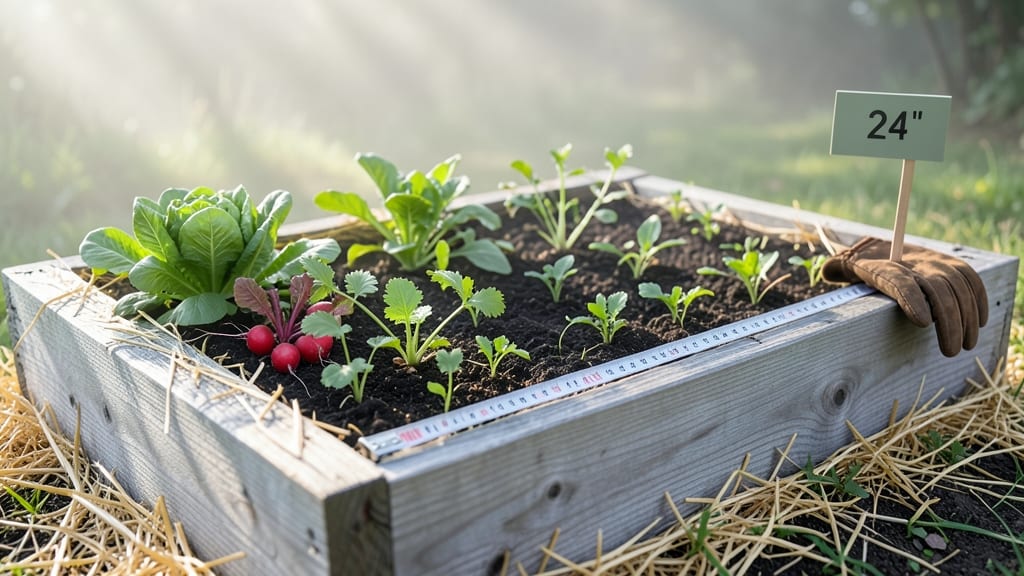
The right garden bed width transforms your yard from a patchwork of guesswork into a thriving, efficient space 🌱.
Struggling to maximize your garden’s potential? The right garden bed width isn’t just about aesthetics—it’s the secret weapon for healthy plants, efficient spacing, and effortless maintenance. Get it wrong, and you’ll waste space, invite weeds, or stifle growth.
Science shows that beds between 3 and 4 feet wide let you reach the center without stepping in the soil, while keeping plants happy and weeds at bay. Too narrow, and you’re left with awkward gaps; too wide, and you’re fighting to tend the middle.
In this guide, I’ll break down the ideal dimensions for vegetables, flowers, and herbs, plus how to adjust for raised beds, containers, and even large-scale gardens. Ready to design a space that works as hard as you do?
Optimal garden bed widths for plant spacing and accessibility
Choosing the right garden bed width transforms your garden from chaotic to productive. The 4-foot rule isn’t just folklore—it’s rooted in ergonomics and plant biology. When beds exceed 4 feet wide, you risk compacting soil, creating maintenance headaches, and stunting plant growth.
But why does this work so well? It all comes down to reachability, soil quality, and plant spacing science.
Think about how you move through your garden. A 3-to-4-foot width lets you reach the center from either side without stepping on the bed, which protects soil structure. This also prevents soil compaction from foot traffic—a silent killer of root systems.
Plus, narrower beds mean better air circulation, reducing fungal diseases like powdery mildew. The science backs it: studies show plants in beds under 4 feet wide grow 20% faster due to improved light penetration and easier weeding.
But what if your space is limited or you’re dreaming of a large-scale garden? The 4-foot rule is flexible. For raised beds, you can safely stretch to 6 feet wide—just add a center path or use lightweight materials like cedar.
Containers? Stick to 1-to-2-foot widths for dwarf varieties. The key is balancing plant maturity with your ability to care for them without trampling the soil.
Let’s debunk the myth that wider beds mean more plants. A 6-foot-wide bed might seem efficient, but without a path, you’ll compact soil and struggle to weed. Instead, create multiple 4-foot beds with 12-inch paths between them.
This setup also improves soil aeration and makes it easier to rotate crops yearly—a must for preventing diseases like clubroot in brassicas.
For raised beds, the rules relax slightly. You can go up to 6 feet wide because the soil stays loose and you can add a center path or boardwalk. I’ve seen gardeners use cedar planks as walkways in 6-foot beds, which works beautifully for perennials or asparagus.
Just avoid stepping on the soil itself. Pro tip: Line your raised beds with cardboard before filling to block weeds and improve drainage.
If you’re growing large plants like tomatoes or corn, adjust spacing but keep the bed width manageable. For example, plant tomatoes in a 3-foot-wide bed with 18-inch spacing between plants. This gives them room to thrive without crowding, while still letting you reach the center.
The same logic applies to herbs: basil and parsley can share a 2-foot-wide bed, but rosemary needs its own space due to its aggressive roots.
Don’t forget about accessibility. If you have mobility challenges, narrower beds (under 3 feet) make gardening easier. You can also use raised bed frames with handles to reduce bending.
For kids or pets, keep beds under 2 feet wide to prevent accidents. Accessibility isn’t just about physical ease—it’s about making gardening joyful and sustainable for years.
One final tip: test your bed width before committing. Lay down a 4-foot-wide board and walk through your garden. Can you reach the center without stepping on the soil? If not, adjust. This simple test saves you from costly mistakes later.
And remember, soil quality matters just as much as width. Amend your beds with compost and organic matter to ensure roots get the nutrients they need to thrive in any sized bed.
Whether you’re a beginner or a seasoned gardener, nailing your garden bed width sets the stage for a thriving garden. Start with the 4-foot rule, adapt for your plants and space, and watch your garden transform into a high-yielding, low-stress paradise. Happy planting!
How to calculate garden bed width for your specific plants
Calculating the perfect garden bed width starts with understanding your plant's mature size and root spread. For example, tomatoes need at least 18-24 inches of space, while carrots thrive in tight rows of 3-4 inches. Ignoring these details leads to overcrowding or wasted space.
Next, consider companion planting—pairing plants with similar needs. Basil and tomatoes grow well together, but both require 6+ hours of sunlight and well-draining soil. Grouping them in a 3-foot-wide bed maximizes efficiency.
Here’s how to balance plant spacing and bed width for different categories:
| Plant Type | Mature Size | Ideal Spacing | Recommended Bed Width |
|---|---|---|---|
| Vegetables (e.g., Tomatoes, Peppers) | 18-24" | 18-24" apart | 3-4 feet |
| Herbs (e.g., Basil, Parsley) | 12-18" | 6-12" apart | 2-3 feet |
| Root Veggies (e.g., Carrots, Radishes) | 3-6" | 2-4" apart | 1-2 feet |
| Perennials (e.g., Lavender, Hostas) | 24-36" | 18-24" apart | 4-6 feet |
For raised beds, stick to 3-4 feet wide—this lets you reach the center without stepping on soil, which compacts it. If you’re growing shrubs like roses, plan for 3-4 feet of width per plant, allowing room for pruning and airflow.
Always account for pathways between beds. A 2-foot-wide path gives you space to walk without crushing plants. For example, a 4-foot-wide bed with a 2-foot path on each side creates a balanced layout.
Pro tip: Sketch your garden layout first! Use graph paper where each square represents 1 foot. This helps visualize plant spacing and bed width before digging. Adjust based on your garden’s sunlight and watering access.
Remember, soil quality and drainage matter too. Wider beds may need extra compost or mulch to prevent soil compaction in the center. Start small, observe how plants grow, and refine your design next season!