
Pruning
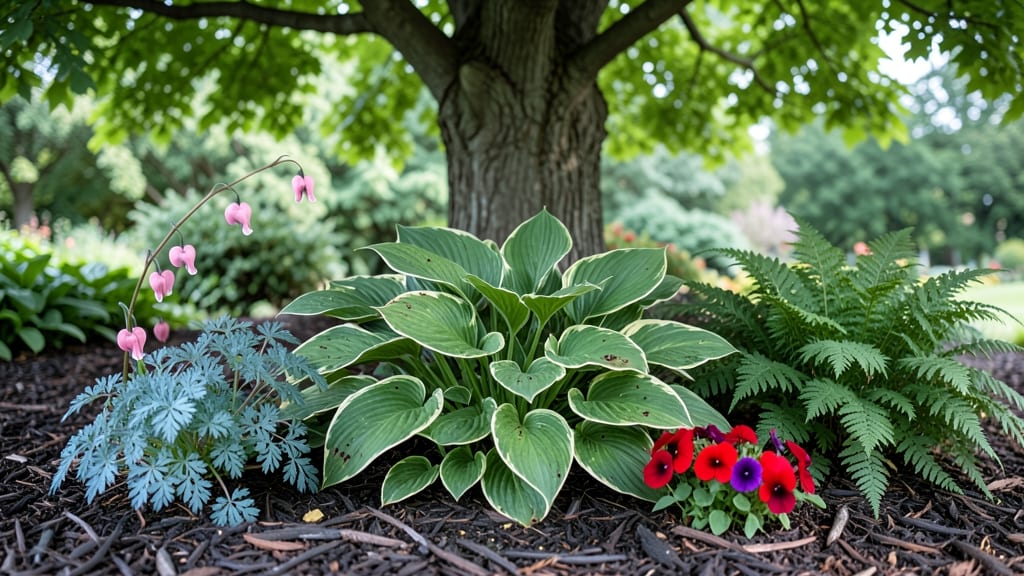
Creating a flower bed under a tree feels like solving a puzzle—limited sunlight, hungry roots, and that stubborn shade that makes most plants throw in the towel. 🌿 The key isn’t fighting the tree but working with it: smart mulching, shade-loving plants, and a layout that keeps roots and blooms happy.
I’ve turned my own shady spot into a lush, low-maintenance garden that thrives where others give up.
Start with a 3-inch layer of cardboard under mulch to block weeds and root competition—this is your secret weapon. Then choose plants that love shade: hostas for texture, ferns for delicate fronds, and impatiens for pops of color.
The trick is spacing them wide enough so roots don’t crowd, but close enough to fill gaps naturally. Think of it like a layered painting, where each plant adds depth and color without fighting for space.
By summer, you’ll have a bed that looks intentional, not scrappy—full of vibrant greens and bold blooms that brighten even the shadiest corner. The mulch keeps weeds at bay, the roots stay contained, and you avoid the heartbreak of wilting annuals.
It’s not just a flower bed; it’s a thriving ecosystem under the tree’s canopy.
Works for any tree—oak, maple, or even that overgrown pine in the backyard. The same rules apply: block the weeds, pick the right plants, and let the shade work for you. Ready to reclaim that shadowy spot? Let’s make it happen.
📚 In This Guide
- What you need
- Instructions
- Tips and common mistakes
- Wrapping up and next steps
What you need
- ● Mulch: 2–4 inches of organic mulch (e.g., shredded bark, wood chips, or pine straw) to suppress weeds and retain moisture. Quantity: Enough to cover the entire bed area (typically 1–2 bags per 10 sq. ft.).
- ● Weed Barrier Fabric: A landscape fabric (30–45 lb. test weight) to block weeds while allowing water and roots to pass. Size: Cut to fit the bed dimensions, with 6–12 inches of overhang around the edges.
- ● Soil Amendments: Compost (2–3 inches) to improve soil fertility.
- ● Perlite or vermiculite (1 part) to enhance drainage in heavy clay soil.
- ● Flowering Plants: Choose shade-tolerant perennials like hostas, ferns, or impatiens. Quantity: 3–5 plants per sq. ft., depending on size.
- ● Garden shovel or spade (for digging).
- ● Pruners (sharp, clean pair for trimming roots or plants).
- ● Rake (for leveling soil and spreading mulch).
- ● Measuring tape (to mark bed dimensions).
- ● Gloves (to protect your hands from thorns or rough edges).
- ○ Optional: Edging tool (to define the bed neatly) or a wheelbarrow (for hauling materials).
- ● Clear the Area: Remove existing weeds, rocks, or debris from under the tree. Pro Tip: 💡 Use a transplanting tool to avoid damaging tree roots!
- ● Measure Root Space: Keep the bed at least 3–5 feet away from the tree trunk to avoid competing with roots. Pro Tip: ✨ Sketch a rough layout first to visualize spacing!
- ● Test Soil pH: Use a soil test kit to adjust acidity (most shade plants prefer 6.0–7.0 pH).
- ● Water Source: Have a hose or watering can nearby for post-planting hydration.
Step-by-Step instructions for creating a thriving flower bed under a tree
This is how I transform shady, weed-choked spaces into lush, low-maintenance flower gardens that actually thrive.
🪴 Step 1: Assess and Prepare the Tree's Root Zone
Start by mapping the tree's root spread—it's usually 2-3 times wider than the canopy. Use a garden hose to trace the dripline (where the branches end) and mark a 2-foot buffer around it. This becomes your planting zone, protecting roots while allowing light for flowers.
Remove weeds and grass within this area using a hand weeder or garden fork—never till, as that damages roots. I like to work in small sections, pulling weeds when the soil is moist (after rain) so they come out cleanly. For stubborn roots, a sharp spade works best to cut them at the base without disturbing the tree's deeper roots.
🌱 Step 2: Layer the Weed Barrier System
Lay down cardboard or thick landscape fabric (cut to fit your marked zone) to block weeds. Overlap edges by 6 inches and extend it 6 inches beyond the planting area to create a clean border. This prevents weeds from creeping in while allowing water and nutrients to reach your flowers.
For extra protection, I add a 2-inch layer of wood chips or mulch over the fabric, but leave the center area (where flowers will go) uncovered. This creates a natural barrier that breaks down slowly, enriching the soil as it decomposes. Avoid piling mulch against the tree trunk—keep it 2-3 inches away to prevent rot.
☀️ Step 3: Amend the Soil for Shade-Loving Flowers
Test the soil pH (most shade flowers prefer 6.0-7.0) and amend with compost or organic matter to improve drainage and fertility. I mix in 1-2 inches of compost into the top 6 inches of soil, working it in gently with a garden fork. Avoid heavy amendments like peat moss, which can compact and suffocate roots.
For poor soil, add a slow-release fertilizer (like 10-10-10) at planting time, following label rates. Water the amended area deeply to settle everything—you’ll see the soil darken and smell earthier, which means it’s ready for planting. If the area stays soggy, consider raising beds with 6 inches of amended soil on top of the barrier.
🌿 Step 4: Choose and Plant the Right Flowers
Select shade-tolerant perennials like hostas, astilbes, or ferns, and bulbs like daffodils or hyacinths that thrive under trees. Space them 12-18 inches apart, depending on mature size, and plant no deeper than their root ball depth—burying too deep suffocates roots.
Water each plant deeply after planting to encourage root contact with the soil. I like to add a 1-inch layer of mulch around (but not touching) each plant to retain moisture and suppress weeds. Over time, you’ll see new growth within 4-6 weeks, signaling your flowers are settling in.
⏰ Step 5: Maintain with Minimal Effort
Water 1-2 times per week (more in extreme heat) until plants establish, then taper to once a week once leaves appear. Avoid overhead watering—use a soaker hose to keep foliage dry and prevent fungal issues. You’ll know moisture is right when the soil feels damp 2 inches down but not soggy.
Fertilize lightly in early spring with a balanced, slow-release formula and prune dead or yellowing leaves in late winter to keep the bed tidy. With this setup, weeds stay out, roots stay happy, and your flowers flourish year after year.
Tips & tricks for perfect flower beds under trees
These simple strategies will help you create a thriving garden space that protects your tree's roots while keeping weeds at bay.
Root Zone Precision: When mapping the tree's root spread in Step 1, remember that young trees have shallower roots while mature trees spread wider. For newly planted trees, reduce the 2-foot buffer to 1 foot to give roots more space to establish. I've found that using a garden flag or spray paint to mark the dripline helps visualize the planting zone more clearly.
Weed Barrier Hacks: In Step 2, if you don't have landscape fabric, use multiple layers of newspaper or cardboard instead. Just make sure they're free from glossy inks that might inhibit decomposition. For extra durability, I overlap the edges by 6 inches and secure them with landscape staples to prevent shifting. This creates a more robust barrier against weeds.
Soil Amendment Shortcuts: When amending soil in Step 3, consider using a soil test kit to check your pH before adding compost. Most shade-loving plants prefer 6.0-7.0, but some like azaleas thrive in acidic soil (5.0-6.0). I've found that mixing in 1-2 inches of compost with a garden fork creates perfect aeration while enriching the soil without compacting it.
Planting Strategy: For Step 4, when planting bulbs, place them slightly deeper than their root ball depth—about 1 inch deeper. This helps anchor them in place and prevents them from being pushed up by soil movement. I like to water each planting hole before placing the bulb to encourage immediate root contact with moist soil.
Pro Tips for Flower Bed Under Tree
- These simple strategies will help you create a thriving garden space that protects your tree's roots while keeping weeds at bay.
- Root Zone Precision: When mapping the tree's root spread in Step 1, remember that young trees have shallower roots while mature trees spread wider.
- Weed Barrier Hacks: In Step 2, if you don't have landscape fabric, use multiple layers of newspaper or cardboard instead.
Frequently asked questions
Got questions about creating a stunning flower bed under tree? You’re not alone! Here are some of the most common concerns—and their solutions—to help you nail your project.
What’s the best way to prepare the soil under a tree for a flower bed?
Start by removing weeds and debris, then loosen the soil with a shovel or aerator. Since tree roots compete for nutrients, mix in 2–3 inches of compost or organic matter to improve drainage and fertility. Avoid heavy amendments like mulch directly against the trunk—keep it 3–4 inches away to prevent rot.
How long does it take for flowers to grow under a tree?
Patience is key! Shade-tolerant perennials (like hostas or ferns) may show progress in 4–6 weeks, while slower growers (e.g., bleeding hearts) can take 2–3 months to establish. Annuals like impatiens bloom faster (6–8 weeks), but they’ll need replanting yearly. Test your soil’s moisture—dry shade can delay growth.
Can I plant flowers directly under a young tree, or should I wait?
For newly planted trees (under 3 years old), hold off on flower beds—focus on mulching and watering to help roots establish. Once the tree is stable, create a circular bed 3–5 feet from the trunk (wider than the tree’s canopy) to avoid root damage. Use shade-tolerant plants like ajuga or hellebores.
What if my flower bed keeps getting overrun by weeds?
Weeds thrive in competition for light and nutrients. Prevent them with:
- Landscape fabric (under mulch, not touching the trunk).
- 3–4 inches of mulch (wood chips or pine straw) to block sunlight.
- Hand-pulling weekly—weeds are easier to remove when small!
Are there low-light alternatives if my tree blocks all sunlight?
Even deep shade (under 2 hours of sun) can support life. Opt for:
- Fern varieties (e.g., maidenhair or Japanese painted fern).
- Hosta (for texture and foliage interest).
- Lungwort or astilbe (adds height and color).
Wrapping up and next steps
Creating a flower bed under a tree is all about balancing beauty with practicality—prioritizing root space, sunlight, and weed control.
By choosing the right plants, preparing the soil, and implementing smart mulching or barrier techniques, you’ll transform a tricky spot into a thriving garden feature. Remember: patience and planning are key!
Ready to take the next step? Start small—test a few low-maintenance plants or experiment with mulch types to see what works best in your space. Soon, you’ll have a lush, weed-resistant flower bed that steals the show without stealing your tree’s sunlight. Happy gardening! 🌱✨