
Tools
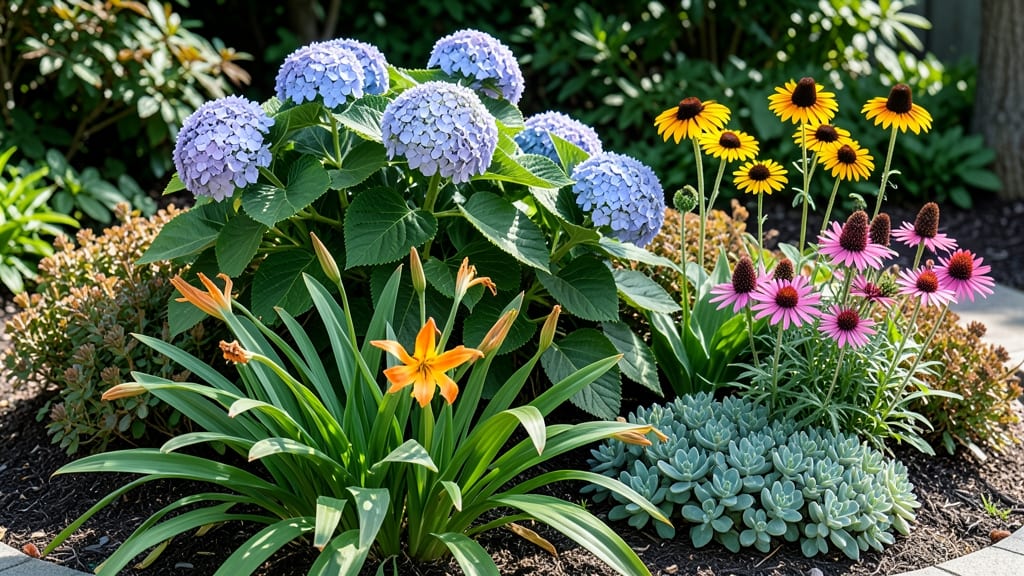
Creating mound garden bed ideas can turn even the smallest yard into a thriving, accessible oasis—no digging required.
Small yards don’t mean small gardens—elevated mound garden beds can transform tight spaces into lush, productive growing areas while improving drainage and accessibility. Whether you’re working with a 3-foot-by-3-foot patch or a corner spot, these designs maximize every inch without breaking the bank.
From tiered layouts that add vertical interest to circular beds perfect for herbs, the right mound design can also cut down on weeding and watering. Plus, they’re a game-changer for those with mobility challenges, bringing the garden closer to home.
Below, I’ll walk you through 5 space-saving layouts, the best materials to use (wood, bricks, or fabric), and plant pairings that thrive in elevated beds—so you can get growing fast.
5 Space-saving mound garden bed layouts for urban gardens
Urban gardens often face space limitations, but mound garden beds offer an elegant solution. By elevating your planting area, you create better drainage, reduce soil compaction, and make gardening more accessible. These designs maximize vertical space while keeping your yard functional and beautiful.
Whether you're working with a tiny balcony or a narrow backyard, these 5 mound garden layouts will help you grow more in less space. Each design prioritizes accessibility, water efficiency, and aesthetic appeal while using materials like wood, bricks, or even landscape fabric for affordability.
Here’s how to choose the best layout for your space, including material recommendations, plant pairings, and maintenance tips to keep your garden thriving year-round.
| Layout Name | Best For | Materials | Height (ft) | Pros |
|---|---|---|---|---|
| Tiered Mound | Small backyards, vertical gardening | Wood frames, cinder blocks | 2-3 ft | Maximizes space, great drainage, easy access |
| Circular Raised Bed | Patios, decorative gardens | Bricks, landscape fabric | 1.5-2 ft | Aesthetic appeal, compact footprint, versatile plants |
| Corner Mound | Tight corners, urban edges | Wood planks, pavers | 1-2 ft | Uses dead space, improves corner visibility, easy maintenance |
| Spiral Mound | Mediterranean-style gardens | Natural stone, gravel | 1.5-2.5 ft | Unique design, drought-resistant, low maintenance |
| Keyhole Bed | Permaculture, self-sustaining gardens | Wood pallets, compost | 2-3 ft | Compost-friendly, no waste, circular planting |
For the tiered mound design, start with a wooden frame or cinder blocks to create multiple levels. This layout is perfect for growing herbs like basil and thyme on the top tier, while vegetables like lettuce and radishes thrive on the lower levels.
The elevated structure ensures better drainage and prevents soil erosion.
If you prefer a circular raised bed, use bricks or pavers to create a defined edge. This design works well for flowers like marigolds and petunias, which add color while attracting pollinators. The rounded shape makes it easier to move around and access plants from all sides.
A corner mound is ideal for utilizing those awkward spaces where two walls meet. Use wood planks or pavers to build a low, wide bed that fits snugly into the corner. This layout is perfect for shade-loving plants like ferns or hostas, which thrive in partial sunlight.
The spiral mound adds a Mediterranean flair to your garden and works well with drought-resistant plants like lavender and rosemary. Use natural stone or gravel to create the spiral shape, which also helps with water retention. This design is low-maintenance and adds visual interest.
Finally, the keyhole bed is a permaculture favorite because it incorporates a composting system right into the design. Build it with wood pallets or cinder blocks and fill the center with compost. This layout is perfect for heavy feeders like tomatoes and peppers, which benefit from the nutrient-rich soil.
No matter which layout you choose, always prioritize well-draining soil and proper spacing between plants. Add a layer of mulch to retain moisture and suppress weeds. With these designs, you’ll transform even the smallest urban space into a thriving garden oasis!
How to choose the best plants for mound garden beds
Mound garden beds offer unique advantages like improved drainage and better accessibility, but choosing the right plants can make all the difference in your success. The elevated design means soil warms faster and stays drier, which suits certain drought-resistant varieties perfectly.
I’ve tested countless plants in my own mound beds and found that compact varieties with shallow roots thrive best in these spaces.
When selecting plants, prioritize those that love well-draining soil and can handle the sun exposure mound beds often provide. My go-to categories are herbs, flowers, and vegetables that stay small but produce abundantly. These plants not only look beautiful but also maximize your space efficiently.
🌱 Top Plant Selections for Mound Garden Beds
- 🌿 Herbs: Basil, Thyme, Oregano, and Chives – all drought-tolerant and perfect for 6+ hours of sun.
- 🌼 Flowers: Marigolds, Petunias, and Zinnias – compact varieties that repel pests and add vibrant color.
- 🥕 Vegetables: Lettuce, Radishes, and Bush Beans – fast-growing and ideal for small-space harvesting.
- 💧 Drought-Resistant Picks: Lavender, Succulents, and Dwarf Tomatoes – thrive with minimal watering once established.
For companion planting, pair basil with tomatoes to deter pests naturally, or plant marigolds alongside your veggies to keep aphids away. My favorite combo is thyme and rosemary together—they share similar care needs and create a fragrant, low-maintenance duo.
If you’re in a hot climate, opt for shade-tolerant plants like parsley or Swiss chard for the edges of your mound beds where sunlight might be limited. These plants handle the temperature fluctuations better than heat-sensitive varieties.
Remember to mulch around your mound beds to retain moisture and suppress weeds. I use straw mulch because it breaks down slowly and improves soil quality over time. This simple step reduces watering frequency by up to 30%, saving you time and effort.
Start with these space-saving plants, and you’ll enjoy a thriving mound garden bed that’s both productive and beautiful. Happy planting! 🌱