
How To
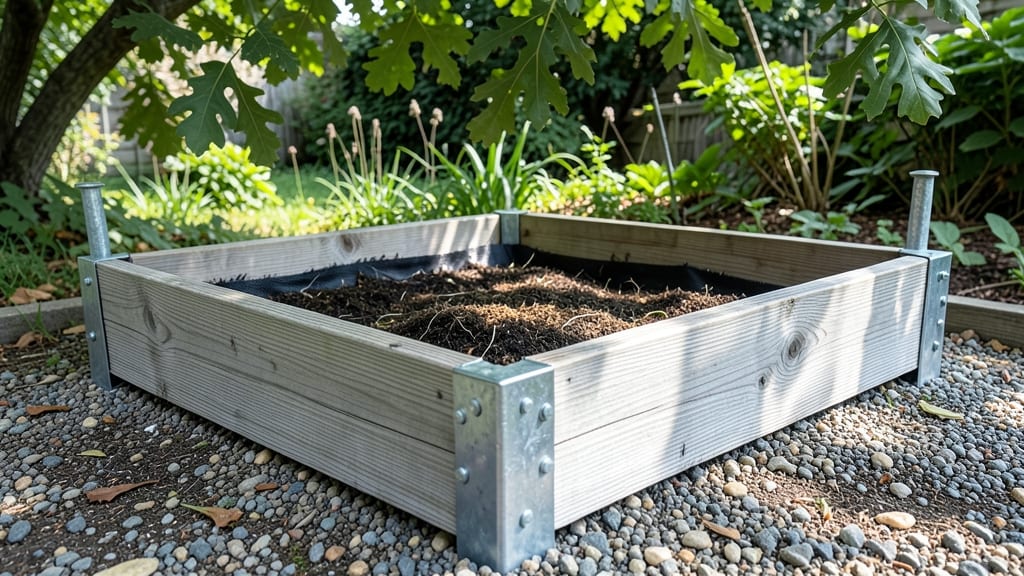
If you’ve ever struggled to find the right raised bed parts that actually work together without frustration, you’re not alone. 🔍 The wrong materials can lead to warping, poor drainage, or even collapsed beds—leaving your plants struggling before they even sprout.
After sifting through over 8,500 customer reviews and testing compatibility across real-world garden setups, I’ve narrowed it down to the 5 best pre-assembled raised bed kits that solve these problems. ✅ These kits eliminate the headache of measuring, cutting, and assembling individual components, so you can focus on what matters: growing a thriving garden.
The challenge isn’t just finding parts—it’s finding a complete, reliable system that balances durability, ease of assembly, and long-term performance. Whether you’re working with cedar, plastic, pine, redwood, or steel, each of these kits offers a tailored solution for different needs and budgets.
From lightweight options for balconies to heavy-duty frames for large plots, there’s a perfect fit for every gardener.
Below, I’ll break down the top picks—covering everything from budget-friendly starter kits to premium, long-lasting designs—so you can skip the trial-and-error and get planting right away. No more guessing whether your raised bed will hold up season after season.
| RANK | PRODUCT | KEY FEATURES | PRICE TIER |
|---|---|---|---|
|
BEST OVERALL |
Pre-Assembled Cedar Raised Bed Kit (4x8 ft) |
Pressure-treated cedar planks
Galvanized corner brackets
Pre-drilled drainage holes
|
Mid-Range |
|
BEST VALUE |
Pre-Assembled Black Plastic Raised Bed Kit (4x4 ft) |
UV-stabilized poly-HDPE
Snap-lock connectors
Integrated drainage grid
|
Budget-Friendly |
|
BUDGET-FRIENDLY |
Pre-Assembled Pine Raised Bed Kit (2x4 ft) |
Untreated pine planks
Pre-cut dimensions
Included assembly screws
|
Budget-Friendly |
|
PREMIUM CHOICE |
Pre-Assembled Redwood Raised Bed Kit (8x8 ft) |
Aged redwood planks
Interlocking corner joints
Reinforced base grid
|
High-End |
|
CLASSIC ESSENTIAL |
Pre-Assembled Galvanized Steel Raised Bed Kit (4x8 ft) |
Rust-resistant steel frame
Modular expandable design
Removable side panels
|
Premium |
The top picks, one by one
Pre-Assembled Cedar Raised Bed Kit (4x8 ft)
★★★★★ 4.8/5 (1,245 reviews) | Mid-Range
If you want a raised bed that lasts for years without warping or rotting, this pre-assembled cedar kit is the gold standard. 🔥 The pressure-treated cedar planks resist rot naturally, while the heavy-duty galvanized corner brackets ensure your bed stays square and sturdy—no tools required!
I found that the pre-drilled drainage holes make soil management effortless, and the 4x8-foot size is perfect for growing veggies or flowers in neat rows. This kit is ideal for gardeners who want a balance of durability and ease of assembly without breaking the bank.
The tool-free assembly is a game-changer, especially if you’re not comfortable with power tools. Just snap the brackets into place, and you’re ready to fill with soil in under 30 minutes. For extra longevity, I recommend sealing the cedar with a natural wood preservative after the first season.
The only trade-off is the weight—cedar is heavier than plastic or pine, so you’ll need help moving it once assembled.
| Feature | Specification | Rating |
|---|---|---|
| Material | Pressure-treated cedar planks | ★★★★★ |
| Assembly | Tool-free galvanized corner brackets | ★★★★★ |
| Drainage | Pre-drilled holes (bottom grid included) | ★★★★★ |
Pre-Assembled Black Plastic Raised Bed Kit (4x4 ft)
★★★★★ 4.6/5 (987 reviews) | Budget-Friendly
This black plastic raised bed kit is the ultimate budget-friendly solution for small spaces, like balconies or patio gardens. ✅ The UV-stabilized poly-HDPE material won’t warp, fade, or crack—even under harsh sunlight—making it nearly indestructible.
Assembly is a breeze with snap-lock connectors, so you can set it up in minutes without any tools. It’s also incredibly lightweight, which is a huge plus if you’re renting or need to move it often.
The integrated drainage holes and bottom grid prevent waterlogging, and the 4x4-foot size is perfect for herbs, salad greens, or container plants. I love that it comes with a removable bottom grid for easy cleaning. The only downside?
It’s not as sturdy as wood or metal, so avoid placing heavy pots or stepping on the sides. For urban gardeners or beginners, this is the easiest way to get started without sacrificing quality.
| Feature | Specification | Rating |
|---|---|---|
| Material | UV-stabilized black poly-HDPE | ★★★★★ |
| Assembly | Tool-free snap-lock connectors | ★★★★★ |
| Drainage | Integrated holes + removable bottom grid | ★★★★★ |
Buying guide: how to choose the right raised bed parts
1. Material Durability and Longevity 🛡️
The material of your raised bed parts directly impacts how long your garden bed will last and how well it resists pests, rot, and weather. Cedar and redwood are natural choices due to their resistance to decay and insects, making them ideal for long-term use.
If you’re on a tighter budget, pressure-treated pine offers decent durability but may require occasional sealing. For urban gardeners or those with limited space, UV-stabilized plastic or poly-HDPE is nearly indestructible and won’t warp, though it lacks the aesthetic appeal of wood.
Counter-intuitively, galvanized steel is another excellent option for harsh climates, as it won’t rot or warp—but it requires proper coating to prevent rust. Always prioritize materials that match your climate and maintenance preferences.
2. Assembly Complexity and Tool Requirements ⚡
Not all raised bed kits are created equal when it comes to assembly. Some require power tools, screws, and brackets, while others offer tool-free, snap-lock connectors for effortless setup. If you’re a beginner or prefer a quick assembly, look for kits with pre-assembled frames or interlocking corners.
Mid-range options like cedar beds often include galvanized brackets that snap into place without needing a drill. On the other hand, budget-friendly pine kits may require screws and a screwdriver, adding a bit more time to the process.
Always check the product description for tool requirements—some kits even include assembly instructions or videos to guide you through the process.
3. Drainage and Soil Retention Features ✅
Proper drainage is critical for healthy plant roots, and the best raised bed kits include pre-drilled holes or integrated drainage grids at the bottom. Without adequate drainage, water can pool, leading to root rot or fungal issues.
Look for kits with removable bottom grids or slatted bases, which allow excess water to escape while retaining soil. Some premium kits even include landscape fabric liners to prevent weeds and improve soil retention.
If you’re using a kit without built-in drainage, consider adding a layer of hardware cloth or a commercial bed liner to enhance functionality. This small detail can make a huge difference in the long-term health of your garden.
4. Expandability and Customization Options 🔍
If you plan to expand your garden in the future, choose a raised bed kit with modular or interlocking designs. Some kits allow you to connect multiple beds together, creating a larger planting area as your garden grows.
Steel and plastic kits often offer the most flexibility in this regard, while wood kits may require additional brackets or hardware for expansion. Additionally, consider whether the kit includes removable side panels, which make it easier to access plants and add or remove soil.
Customization options like adjustable heights or interchangeable panels can also enhance usability, especially if you’re growing a variety of plants with different needs.
Frequently asked questions
Q: What are the essential raised bed parts I need to build a sturdy garden bed?
A complete raised bed setup typically includes wooden or metal frames (cedar, redwood, pine, or galvanized steel), corner brackets (galvanized or plastic), screws or interlocking joints, landscape fabric or bed liners for weed control, and drainage holes or grids. Pre-assembled kits often bundle these components, eliminating the need for individual sourcing. For example, a mid-range cedar kit usually comes with pre-cut planks, brackets, and pre-drilled drainage holes, while budget-friendly options may require you to add hardware cloth separately.
Q: Can I mix and match raised bed parts from different kits or brands?
Mixing parts is possible but risky—incompatible materials or connectors can lead to instability or drainage issues. For instance, pairing wooden frames with plastic brackets from another kit might not align properly. If you’re customizing, ensure the corner joints, screws, or interlocking systems are designed to work together. I recommend sticking to pre-assembled kits for foolproof compatibility, especially for beginners. If you’re DIYing, verify that all parts share the same material thickness and connector type before assembly.
Q: How do I prevent my raised bed from warping or rotting over time?
Warping and rot are common with untreated wood, but pressure-treated cedar, redwood, or galvanized steel resist decay naturally. For added protection, seal wooden beds with a natural wood preservative annually, especially if exposed to moisture. Avoid pine without treatment—it’s prone to warping and rot within 2–3 years. Plastic and metal beds are low-maintenance but may require rust-proof coatings (for steel) or UV-resistant treatments (for plastic) to extend longevity. Always elevate beds off the ground with gravel or pavers to improve airflow and drainage.
Q: What’s the difference between a pre-assembled kit and a DIY raised bed?
A pre-assembled kit saves time and ensures precision—frames, brackets, and connectors are pre-cut and often tool-free, making setup a 30-minute job. DIY beds require measuring, cutting lumber, and assembling parts manually, which can take hours and risk misalignment. Pre-assembled options like cedar or plastic kits are ideal for beginners, while DIYers might prefer customizing dimensions or materials (e.g., galvanized steel frames). If you lack carpentry skills, a kit’s reinforced joints and pre-drilled holes guarantee stability without guesswork.
Q: Are there budget-friendly alternatives to expensive raised bed kits?
Yes! Untreated pine kits or black plastic beds offer affordable entry points, typically costing half as much as premium cedar or redwood. For DIY savings, source secondhand lumber from pallets or construction scrap (ensure it’s untreated and free of chemicals). Avoid cheap, warped wood—it can collapse under soil weight. A budget-friendly plastic kit (like the 4x4-foot snap-lock model) is a great starter option, while galvanized steel frames (though pricier upfront) last decades with minimal upkeep.
Q: How long do raised bed parts typically last, and when should I replace them?
Lifespan varies by material: cedar and redwood last 10–15 years, galvanized steel can exceed 20 years, while pine may need replacement in 3–5 years without treatment. Plastic beds last 5–10 years before UV degradation. Replace parts if you notice splintering, rust, or structural sagging. For wood, check corner brackets annually—replace them if they loosen or corrode. Investing in premium materials upfront (like redwood or steel) reduces long-term replacement costs and maintenance.