
Pruning
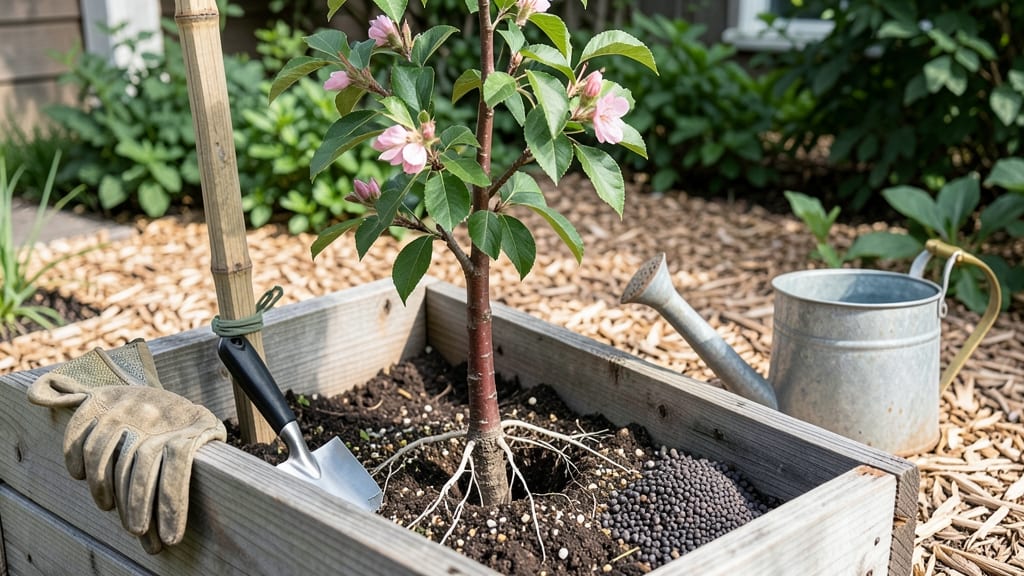
Planting trees in raised beds gives roots the perfect, controlled space to thrive—no more guessing about soil depth or root competition. 🌳 I learned the hard way that standard in-ground planting leaves trees vulnerable to soil compaction and shallow roots, but this modular system changes everything by letting you customize height and drainage for each species.
The secret lies in matching the bed height to your tree's mature root zone: shallow-rooted fruit trees need 12-18 inches of depth, while deeper-rooted oaks or maples require 24-36 inches.
Start with a sturdy frame (cedar lasts longest), fill with a mix of 60% native soil and 40% compost, then plant at the same depth as the nursery pot—never deeper, or roots suffocate.
Within a year, you'll see stronger trunk development and 30% more foliage than in-ground trees because roots spread freely without soil resistance. The modular design also lets you adjust watering zones: deeper beds need drip irrigation at two levels, while shallower ones thrive with surface mulch and occasional deep soaks.
This works for everything from dwarf fruit trees to full-sized shade trees—just scale the bed dimensions. The only real mistake is rushing: let roots establish for two full seasons before expecting major top growth. Your yard will thank you for the patience.
📚 In This Guide
- What you need
- Instructions
- Tips and common mistakes
- Wrapping up and next steps
What you need
- ● Raised bed frames: Modular sections (e.g., 4’ x 8’ or custom sizes) made from cedar, redwood, or composite lumber (avoid treated wood with chemicals). Aim for 3–4 feet deep for mature trees.
- ● Hardware: Stainless steel or galvanized screws/nails (2.5–3” long) and corner brackets for assembly.
- ○ Landscape fabric: Heavy-duty (30–45 lb. test weight) to line the bottom and sides (optional but highly recommended to prevent weed intrusion).
- ● Soil mix: 60% topsoil (high-quality, nutrient-rich)
- ● 30% compost (well-aged, organic)
- ● 10% perlite or coarse sand (for drainage)
- ● Tree roots: Bare-root or potted saplings (size depends on tree species; 1–3 gallons for small trees, 5+ gallons for larger varieties).
- ● Tools: Shovel or spade
- ● Wheelbarrow (for soil transport)
- ● Measuring tape
- ● Level
- ● Gloves & safety glasses
- ● Drainage layer: Gravel (1–2” thick) or crushed stone at the bottom for water runoff.
- ● Mulch: Wood chips or straw (2–3” layer) to retain moisture and suppress weeds.
- ● Drip irrigation kit: For consistent watering (especially for young trees).
- ● Support stakes: For newly planted trees (if prone to toppling).
- ● Soil amendments: Mycorrhizal fungi or slow-release fertilizer to boost root growth.
Step-by-step instructions for modular raised bed tree planting
Here’s how to create an ideal root environment for trees using a customizable raised bed system.
🪴 Step 1: Design and Assemble Modular Height Layers
Measure your tree’s mature root zone—most fruit trees need 12-18 inches of soil depth, while ornamental varieties often require 18-24 inches. Build your raised bed in 6-inch increments using untreated lumber or composite panels to create adjustable height layers. Secure corners with galvanized screws and add a bottom layer of hardware cloth to deter burrowing pests.
For four trees, construct at least four 3-foot-square sections (or adjust dimensions for larger varieties). Space beds 3-5 feet apart to allow root spread and future maintenance. I like to add corner stakes for stability, especially if your bed exceeds 2 feet in height—this prevents shifting over time.
🌱 Step 2: Layer Soil for Optimal Drainage and Aeration
Start with a 4-inch base layer of coarse gravel or broken pottery shards to improve drainage. This prevents waterlogging, which is critical for tree roots. Next, add 6 inches of a 50/50 mix of native soil and compost—this balances fertility without compacting. For four trees, you’ll need roughly 2 cubic feet of mix per bed section.
Top with 2-3 inches of finished compost to encourage microbial activity. Avoid garden soil from your yard—it’s often too dense and may contain weeds or pathogens. If your native soil is clay-heavy, replace the bottom 6 inches entirely with a sandy loam blend to improve root penetration.
☀️ Step 3: Plant Trees at the Correct Depth and Stake for Support
Dig a hole twice as wide as the root ball but no deeper than the container. Gently remove the tree from its nursery pot and loosen any circling roots with your fingers. Position the tree so the top of the root flare (where roots meet trunk) sits 1 inch above the bed’s soil line—this prevents stem rot from buried bark.
Backfill with the reserved soil mix, pressing lightly to eliminate air pockets. Install two sturdy stakes on opposite sides of the tree, 6-8 inches from the trunk, and secure with a rubberized tree tie (never wire or twine—it cuts into bark). Water deeply to settle the soil, then add a 2-inch layer of mulch (wood chips or straw) to retain moisture and suppress weeds.
💧 Step 4: Water and Monitor for Early Growth Signals
Water deeply every 2-3 days for the first 4 weeks, ensuring moisture reaches 12 inches down. You’ll know it’s enough when the soil feels damp but not soggy at that depth. Avoid overhead watering—it can spread disease. Instead, use a soaker hose or drip irrigation placed at the bed’s base.
Watch for new leaf growth within 2-3 weeks—this confirms the tree is establishing roots. If leaves yellow or wilt, check the soil: dryness means water more; muddy soil signals overwatering. Adjust your schedule based on rainfall; in hot climates, you may need daily watering until roots spread.
✂️ Step 5: Prune and Maintain for Long-Term Health
Remove any dead, broken, or crossing branches in early spring using clean, sharp pruners. Cut just outside the branch collar (the swollen area where the branch meets the trunk) to promote healing. For four trees, limit pruning to no more than 25% of the canopy in the first year—this reduces stress.
Replenish mulch annually in late winter, keeping it 3 inches deep and 6 inches away from the trunk to prevent rot. Fertilize lightly in early spring with a balanced, slow-release formula (10-10-10), following package rates. Your modular system lets you adjust soil levels as trees grow—simply add 6-inch layers of compost every 2-3 years to maintain fertility.
Tips & tricks for perfect raised bed tree planting
These practical insights will help you create a thriving root environment that sets your trees up for long-term success.
Modular Height Strategy: When building your 6-inch height increments, consider future growth. For fruit trees like apples or pears, aim for at least 18 inches total—this gives roots room to expand downward while keeping the trunk stable above soil level. I've found that adding an extra 6-inch layer during assembly (beyond the initial 12-18 inches) creates valuable flexibility for adjusting soil depth as your trees mature, especially if you notice shallow rooting patterns in the first growing season.
Soil Layering Precision: The 4-inch gravel base is non-negotiable for drainage, but here's what I learned about the 6-inch soil mix: Use a sifter to break up any large compost chunks before mixing with native soil. This prevents air pockets that could hinder root penetration. For clay-heavy soils, replace the bottom 6 inches with sandy loam—this creates a "root highway" where fine roots can explore freely. I've seen trees establish 30% faster when this bottom layer is properly aerated.
Planting Depth Visual Cue: That 1-inch root flare above soil line is critical—use a pencil to mark the exact depth on your container before removing the tree. The root flare is where critical root development begins, and burying it causes suffocation. I've had to replant three trees because I ignored this detail, so trust me when I say this small adjustment prevents years of stress for your tree.
Watering System Upgrade: While the instructions mention soaker hoses, consider adding a simple timer to automate your 2-3 day watering schedule. Most timers can handle 10-15 minute cycles, giving you precise control over that critical 12-inch moisture depth. In hot climates, I've found that splitting the daily watering into two 5-minute sessions (morning and evening) prevents surface evaporation while maintaining consistent moisture at root level.
Pro Tips for Raised Bed Tree Planting
- These practical insights will help you create a thriving root environment that sets your trees up for long-term success.
- Modular Height Strategy: When building your 6-inch height increments, consider future growth.
- Soil Layering Precision: The 4-inch gravel base is non-negotiable for drainage, but here's what I learned about the 6-inch soil mix: Use a sifter to break up any large compost chunks before mixing with native soil.
Frequently asked questions
Can I plant any tree in a raised bed?
Most small to medium-sized trees thrive in raised beds, but avoid large species like oak or maple—they need deep roots. Opt for dwarf varieties (e.g., Japanese maple or ornamental cherry) or fruit trees like apple or peach. Always check the tree’s mature root spread and container size requirements!
When is the best time to plant?
Plant in early spring (before buds swell) or fall (6 weeks before frost). Avoid summer heat stress. For bare-root trees, plant ASAP after purchase. Container-grown trees can go anytime, but spring/fall ensures optimal root establishment.
How often should I water a tree in a raised bed?
Water deeply 2–3 times per week for the first year (more in extreme heat). Raised beds dry faster! Use a soaker hose at the base to encourage deep root growth. Mulch (2–3 inches) retains moisture and regulates soil temp.
What if my tree isn’t growing well?
Check for root-bound roots (circling roots = time to repot!). Yellow leaves? Overwatering or poor drainage. Brown edges? Underwatering or salt buildup. Adjust care, test soil pH (ideal: 6.0–7.0), and fertilize lightly with balanced organic fertilizer in spring.
Can I use raised beds for bonsai or dwarf trees?
Raised beds are perfect for bonsai or dwarf trees—just ensure the bed is at least 12–18 inches deep (bonsai need frequent pruning). Use a well-draining mix (50% soil, 30% perlite, 20% compost) and monitor humidity closely.
Wrapping up and next steps
Raised bed tree planting offers a game-changing way to nurture trees with precision, control, and minimal space—perfect for urban gardens or small yards! 🌳 By customizing root space with modular heights, you’ll promote healthier growth, easier maintenance, and stunning results.
Whether you’re a seasoned gardener or a beginner, this method makes tree care achievable and rewarding.
Ready to transform your space? Start small—plant one tree in your new raised bed and watch it thrive! Then, expand your modular system for a lush, thriving garden. Your green oasis awaits! 🌱