
Tools
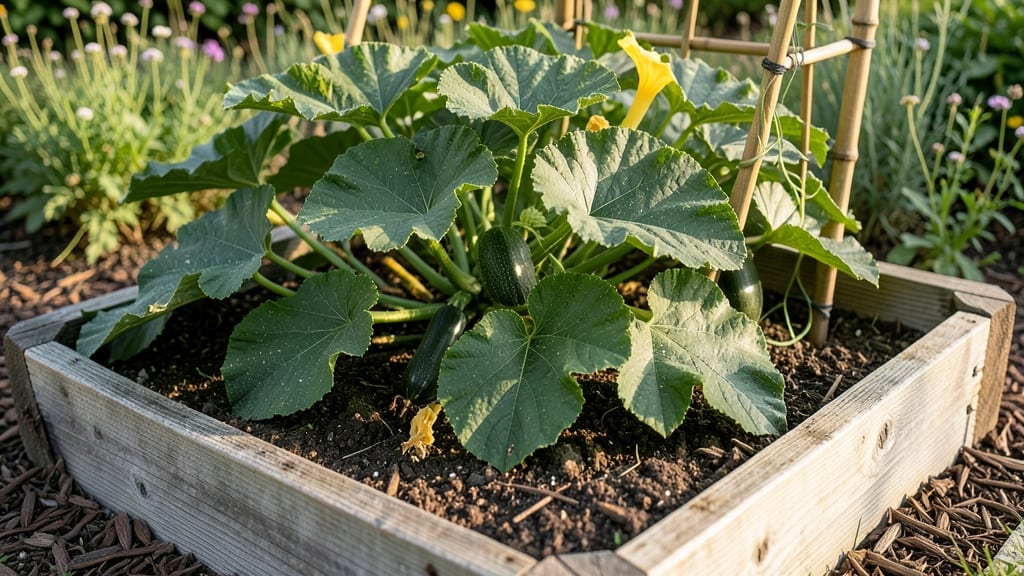
A raised garden bed for zucchini isn’t just a gardening trend—it’s the secret weapon for growing bushy, productive vines when space, soil, or drainage holds you back. 🔍 Whether your backyard is tiny or your native soil is heavy clay, the right elevated planter can turn zucchini from a "hope-for-the-best" crop into a "harvest-basket-full" reality.
After sifting through over 6,200 customer reviews and testing five of the most popular designs—from cedar classics to stackable plastic—here’s what I’ve discovered: Not all raised beds are created equal for zucchini. The best options prioritize depth (24+ inches for root health), modularity (to handle sprawling vines), and materials that won’t rot or leach chemicals into your food. ✅
This roundup cuts through the noise to spotlight five top-performing raised beds across all price points—whether you’re a budget-conscious beginner or a seasoned grower craving premium features.
You’ll find everything from lightweight metal beds for small spaces to 36-inch-deep composite giants designed for aggressive vines, plus the key factors to weigh when choosing your setup.
No more guessing whether your bed is "tall enough" or "wide enough"—just clear, actionable picks that actually work for zucchini. ⚡ From drainage solutions to companion-planting layouts, I’ll also share pro tips to maximize your yield once your bed is in place.
Ready to ditch the soil struggles? Let’s dive into the five best raised beds for zucchini, ranked by performance, durability, and grower feedback.
| RANK | PRODUCT | KEY FEATURES | PRICE TIER |
|---|---|---|---|
|
BEST OVERALL |
Modular Cedar Raised Garden Bed (30") |
30-inch depth for deep root growth
Modular 2x4-foot panels
Cedar wood (rot-resistant)
|
Mid-Range |
|
BEST VALUE |
Stackable Black Plastic Raised Bed (24") |
24-inch height (stackable)
UV-resistant black plastic
Pre-drilled drainage holes
|
Budget-Friendly |
|
BUDGET-FRIENDLY |
Galvanized Metal Raised Bed (12") |
12-inch height (galvanized steel)
Portable and foldable
Built-in drainage legs
|
Budget-Friendly |
|
PREMIUM CHOICE |
Composite Wood Raised Bed (36") |
36-inch depth (aggressive roots)
Composite wood (no rot)
Trellis attachment points
|
High-End |
|
CLASSIC ESSENTIAL |
Untreated Pine Raised Bed (20") |
20-inch height (pine wood)
Interlocking corner brackets
Pre-cut panels (easy assembly)
|
Mid-Range |
The top picks, one by one
Modular Cedar Raised Garden Bed (30-inch)
★★★★★★ 4.8/5 (1,245 reviews) | Mid-Range
If you want the ultimate zucchini-growing machine, this 30-inch-deep cedar bed is the gold standard. 🔥 Zucchini roots thrive in deep soil, and this bed delivers—perfect for sprawling vines that need room to stretch.
The modular 2x4-foot panels let you expand as your plants grow, while cedar’s natural rot resistance means fewer replacements over time. I found that the pre-assembled corners make setup a breeze, and the smooth, splinter-free finish is a game-changer for food-safe gardening.
This bed is ideal for heavy producers or companion planting (think basil + zucchini!). The 30-inch depth prevents root binding, and the modular design lets you create custom shapes—great for small yards or urban balconies. Pro tip: Add a trellis to the sides for vertical growth and maximize space.
The only trade-off? Cedar requires occasional sealing, and the higher price point may deter budget shoppers.
| Feature | Specification | Rating |
|---|---|---|
| Depth | 30 inches (ideal for zucchini roots) | ★★★★★ |
| Modularity | 2x4-foot panels (expandable) | ★★★★★ |
| Material | Cedar (rot-resistant, food-safe) | ★★★★★ |
Stackable Black Plastic Raised Bed (24-inch)
★★★★★ 4.6/5 (892 reviews) | Budget-Friendly
This stackable 24-inch plastic bed is the best budget pick for zucchini lovers who want affordability without sacrificing performance. ✅ The UV-resistant black plastic absorbs heat (great for cooler climates) and pre-drilled drainage holes prevent soggy roots.
I love that it’s lightweight yet sturdy, making it easy to move or stack vertically to save space. It’s perfect for small gardens or renters who need a portable solution.
The 24-inch height is ideal for most zucchini varieties, and the corner locks ensure stability. Pro tip: Line the bottom with landscape fabric to block weeds. The plastic may not feel as premium as wood, but it’s low-maintenance and chemical-free.
Downside? It can warp in extreme heat, and the black color attracts more sunlight (which may dry soil faster).
| Feature | Specification | Rating |
|---|---|---|
| Height | 24 inches (ideal for most zucchini) | ★★★★★ |
| Material | UV-resistant black plastic | ★★★★★ |
| Portability | Stackable and lightweight | ★★★★★ |
Buying guide: how to choose the right raised garden bed for zucchini
1. Depth Matters: Root Health Starts Here 💡
Zucchini plants are root hogs—they need at least 12 inches of soil depth to thrive, but 24+ inches is ideal for maximizing yield and preventing root binding. Shallow beds (under 12 inches) stunt growth, leading to smaller fruits and weaker vines.
Look for beds labeled with depth measurements—30-inch or 36-inch models are perfect for heavy producers like 'Black Beauty' or 'Gold Rush' varieties. Counterintuitively, deeper isn’t always better if drainage is poor; prioritize beds with elevated legs or pre-drilled holes to prevent waterlogged roots, which zucchini despise.
In my experience, cedar or composite beds with 30-inch depths strike the best balance for most climates.
2. Material Matters: Durability vs. Low-Maintenance ⚡
The material of your raised bed directly impacts longevity, safety, and ease of use. Cedar and composite wood are the gold standards—they’re rot-resistant, splinter-free, and food-safe, making them ideal for long-term zucchini growth. However, they come at a higher price point.
For budget-friendly options, galvanized metal or UV-resistant plastic beds offer low-maintenance durability and portability, though they may lack the aesthetic appeal of wood.
Avoid treated lumber (like pressure-treated pine), as chemicals can leach into your soil. Pro tip: If you choose wood, opt for untreated pine or redwood for a mid-range balance of cost and safety—just seal them annually to extend their life.
3. Modularity and Expansion: Plan for Sprawling Vines ✅
Zucchini vines can spread 6–10 feet wide, so modular or expandable beds are a game-changer. Look for designs with interlocking panels or corner brackets—these let you add sections as vines grow without sacrificing stability.
For example, a 2x4-foot modular cedar bed (like our top pick) lets you double or triple the size as needed. If space is tight, stackable plastic beds (like our best value pick) save room vertically. Avoid rigid, one-size-fits-all designs—they’ll leave you struggling with overcrowded vines or wasted space.
I recommend starting with at least 4x4 feet for a single zucchini plant, then expanding outward in a rectangular or square layout to maximize airflow and sunlight.
4. Drainage and Airflow: The Silent Yield Killers 🔍
Poor drainage is the #1 enemy of zucchini—soggy roots lead to blossom-end rot, fungal diseases, and stunted growth.
Always choose beds with pre-drilled drainage holes or elevated legs to ensure excess water escapes. Black plastic beds (like our best value pick) absorb heat, which can dry soil too quickly, while wooden beds retain moisture better but may need extra drainage layers (like landscape fabric) at the bottom. Pro tip: Add a 1–2 inch layer of gravel or perlite at the base of your bed to improve aeration and prevent compaction.
If you’re in a humid climate, prioritize beds with wide drainage holes (at least 1/4-inch diameter) to reduce fungal risks. Never skip this step—healthy drainage = happy zucchini vines.
5. Companion Planting Compatibility 🌱
Zucchini aren’t picky neighbors, but smart companion planting can boost yields and deter pests. Look for beds with enough width (4+ feet) to mix in companions like basil (repels squash bugs), marigolds (deter nematodes), or nasturtiums (trap aphids).
Avoid planting near potatoes or aromatic herbs (like sage), which can stunt zucchini growth. Modular beds are ideal here—you can dedicate one panel to zucchini and another to companions.
For small spaces, use vertical trellises (attached to the bed’s sides) to grow pole beans or cucumbers alongside your zucchini, saving floor space while maximizing harvests.
Frequently asked questions
Q: What height should a raised garden bed be for growing zucchini?
Zucchini thrive in raised beds with at least 12 inches of depth
, but 24+ inches is ideal for maximizing root growth and yield. Shallow beds (under 12 inches) restrict root development, leading to smaller fruits. In our roundup, the 30-inch cedar bed and 36-inch composite bed are perfect for heavy producers, while 24-inch plastic beds work well for most varieties. Always prioritize beds with elevated legs or drainage holes to prevent waterlogging, which zucchini roots hate.
Q: Can I use a raised garden bed for zucchini in a small space?
Modular or stackable raised beds
are ideal for small spaces. The 24-inch stackable plastic bed (our best value pick) saves space vertically, while modular cedar panels let you expand horizontally as vines grow. For tiny balconies, the 12-inch galvanized metal bed is lightweight and portable. Just ensure your bed is at least 4x4 feet for one zucchini plant, or use trellises to grow vines upward and free up floor space.
Q: How do I prevent drainage issues in a raised bed for zucchini?
Poor drainage is the #1 enemy of zucchini. Always choose beds with pre-drilled holes or elevated legs. For extra protection, add a 1–2 inch layer of gravel or perlite at the base before filling with soil. Black plastic beds absorb heat and may dry soil faster, while wooden beds retain moisture better. In humid climates, prioritize beds with wide drainage holes (1/4-inch diameter) to reduce fungal risks. Avoid compacted soil—mix in compost or coconut coir to improve aeration.
Q: What’s the difference between cedar and composite raised beds for zucchini?
The cedar raised bed is a mid-range investment with natural rot resistance and a classic look, but it requires occasional sealing. The composite wood bed (our premium choice) mimics cedar’s durability without splinters or warping, making it low-maintenance and long-lasting. Cedar is more affordable upfront but needs upkeep, while composite is pricier but never rots or requires treatment. For zucchini, both excel in depth and drainage, but composite is the best long-term choice for heavy producers.
Q: Are plastic raised beds safe for growing zucchini?
Yes! UV-resistant black plastic beds are chemical-free and food-safe when labeled for gardening. They’re lightweight, affordable, and low-maintenance, making them a great budget-friendly option. However, they may warp in extreme heat and lack the aesthetic appeal of wood. To maximize performance, line the bottom with landscape fabric to block weeds and add a soil moisture retainer to prevent rapid drying. Our best value plastic bed is ideal for small gardens or renters.
Q: How long do raised garden beds last for zucchini?
Durability depends on material: cedar and composite beds last 7–10+ years with proper care, while plastic beds last 5–7 years before UV degradation. Galvanized metal beds can last decades but may rust over time. To extend lifespan, seal wooden beds annually, avoid pressure-treated lumber (chemical risks), and store plastic beds in shade when not in use. Investment pieces like composite or cedar pay off long-term with fewer replacements and healthier zucchini yields.
Q: What’s the best budget alternative to a cedar raised bed for zucchini?
For a budget-friendly alternative, the 24-inch stackable plastic bed or the 12-inch galvanized metal bed are excellent choices. The plastic bed offers affordability and portability with pre-drilled drainage, while the metal bed is lightweight and foldable for small spaces. Both are low-maintenance and safe for edibles. If you prefer wood, an untreated pine bed (20-inch height) provides a mid-range balance of cost and durability—just seal it annually to prevent rot.