
Landscaping
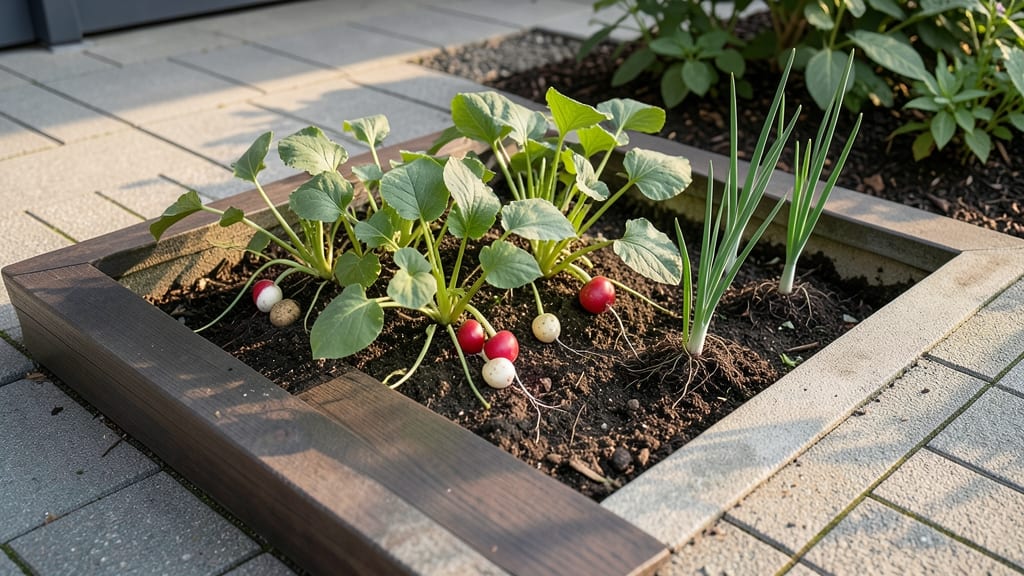
Maximize your small urban yard with these 10 creative veggie garden bed ideas that save space while boosting productivity. Perfect for balconies, patios, and tiny backyards with limited square footage.
Vertical Wall Planters for Herbs and Greens
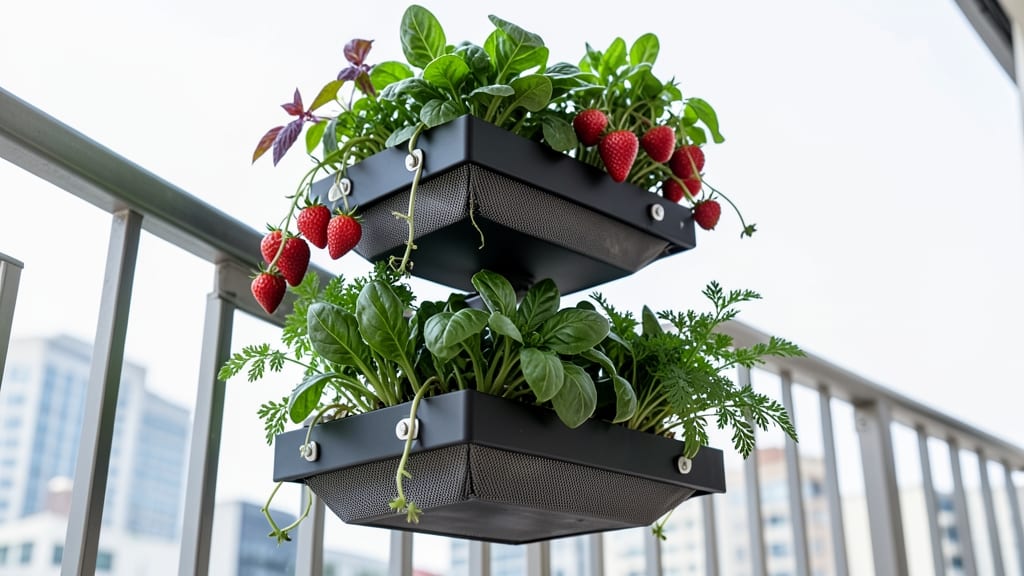
Turn your urban balcony into a thriving edible garden without sacrificing square footage with vertical wall planters. These space-saving systems let you grow leafy greens like spinach and kale, fragrant herbs such as basil and parsley, and even strawberries—all while creating a stunning, functional green wall that transforms blank walls into lush decor.
Look for planters with modular pockets (3-5 inches deep) to accommodate shallow-rooted crops, and choose materials like recycled plastic or cedar for durability. Install a drip irrigation system to automate watering, ensuring consistent moisture without overwatering. For best results, place your vertical garden in at least 6 hours of sun daily—south- or west-facing walls work perfectly for most herbs and greens.
This setup is ideal for renters, small-space gardeners, and anyone who wants to grow fresh produce without the footprint. Plus, the vertical design makes harvesting and maintenance a breeze—no more bending or kneeling! 🌱
Raised Wooden Boxes with Tiered Levels
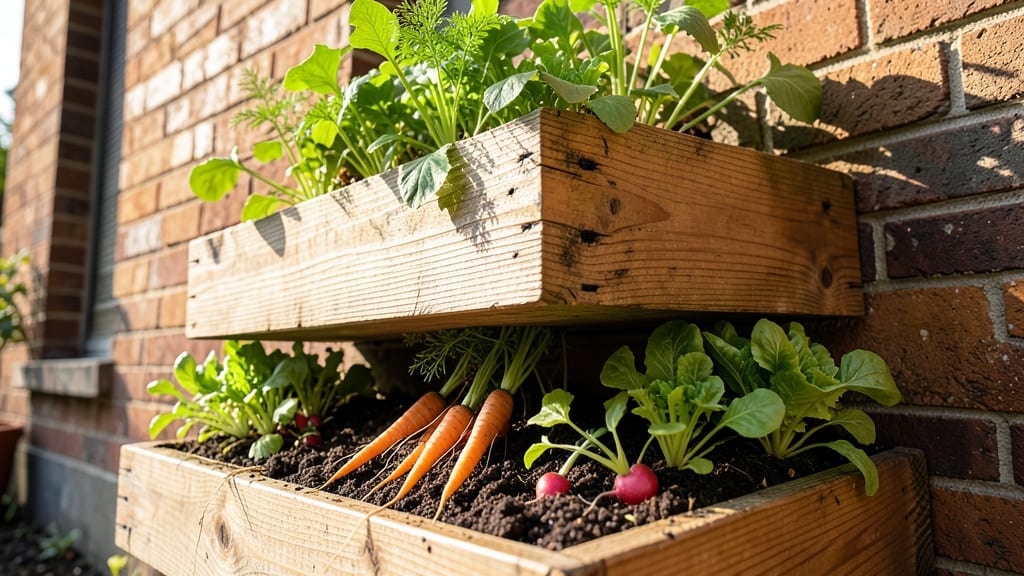
If you're new to gardening but want to grow a variety of vegetables without the guesswork, tiered raised wooden boxes are your secret weapon. These stacked layers let you plant carrots (with their long roots) alongside radishes and lettuce—all in the same compact space.
Start with a bottom tier for deep-rooted crops like carrots, then add a middle layer for radishes (ready in 30 days), and top it with fast-growing lettuce. Use cedar or redwood for natural rot resistance, and ensure each tier has at least 6 inches of soil depth. The key is spacing: place taller plants like carrots in the back and shorter ones in front to maximize sunlight exposure.
This design is ideal for urban gardeners with limited space or beginners who want a foolproof way to grow multiple crops together. Plus, the elevated height keeps pests like slugs at bay. 🌱
Hanging Basket Gardens for Cherry Tomatoes
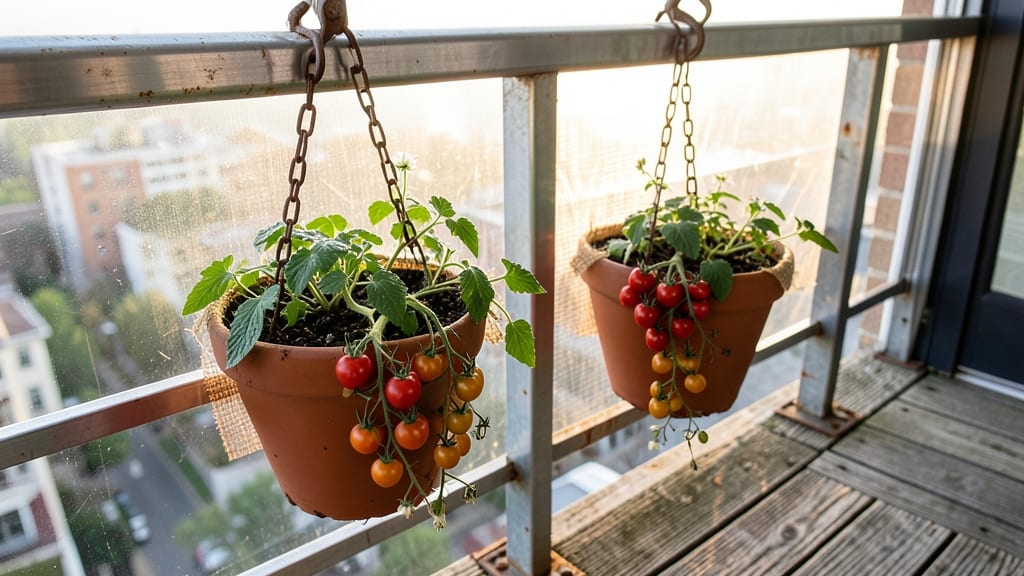
Turn that unused balcony corner or patio railing into a cherry tomato powerhouse with hanging baskets—no ground space required! These compact containers are perfect for determinate varieties like 'Tiny Tim' or 'Sweet Million,' which produce bumper crops while staying neatly contained above ground.
Start with a 5-gallon basket (minimum) filled with well-draining potting mix and a slow-release fertilizer. Plant two to three tomato seedlings per basket, using a tomato cage or stakes to support vines. Water consistently—hanging baskets dry out faster than ground beds—and consider adding a drip irrigation line for hassle-free moisture. Prune suckers regularly to encourage fruit production.
This method is ideal for small-space gardeners or anyone who wants to keep their tomatoes off the ground. Plus, the cascading vines and ripe fruit create a stunning focal point that’s as beautiful as it is productive. 🌻
Square Foot Gardening Grid Layouts
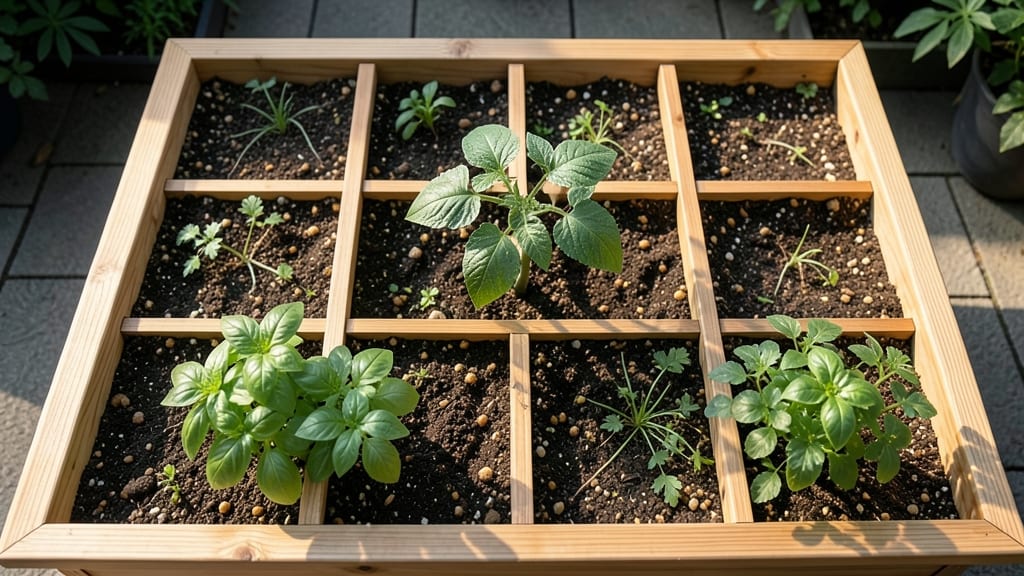
If your urban yard feels too small for traditional rows, square foot gardening turns wasted space into a high-yield system by dividing beds into precise 1-foot squares. This method, developed by Mel Bartholomew, ensures every plant gets the exact space it needs—no more overcrowding or wasted soil.
Each square accommodates a specific number of plants based on their size (e.g., 16 onions, 4 peppers, or 1 tomato per square). A 4x4-foot bed becomes a self-contained ecosystem where you can grow 16 different varieties without stepping on soil. The grid also makes rotation and maintenance effortless, reducing weeds and pests naturally. Perfect for urban gardeners or anyone with limited space!
This system cuts water waste by 90% and boosts yields by up to 40%—ideal for small backyards or containers. Try it with your favorite veggies this season! 🌱
Pallet Wood Planters for Root Vegetables
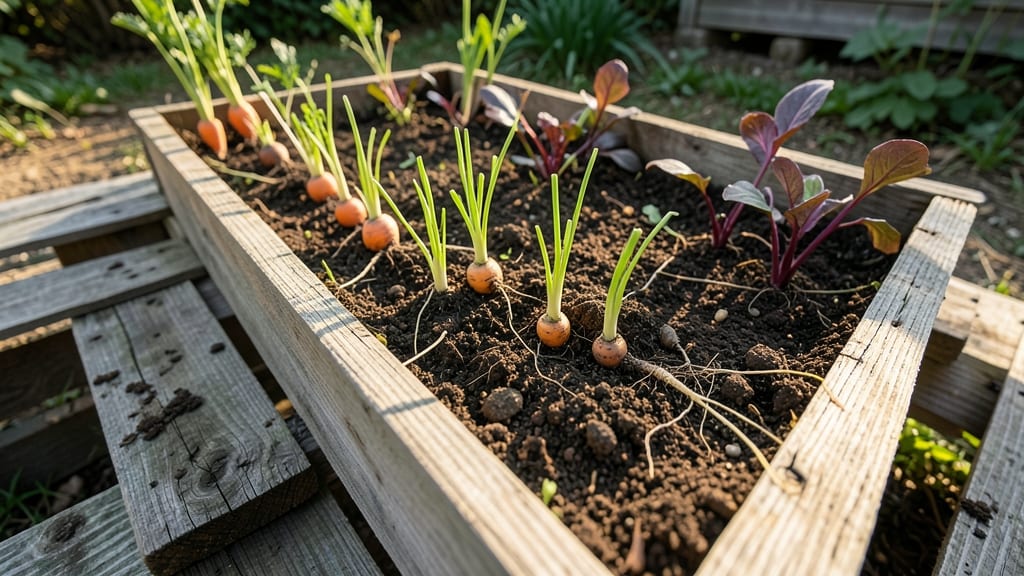
Skip the expensive raised beds—pallet wood planters turn free, discarded materials into the perfect home for long-rooted vegetables like carrots, beets, and parsnips. Their narrow, elongated shape mimics the natural growth habit of these crops, preventing forking and allowing roots to stretch undisturbed.
Start by sanding rough edges and lining the pallet with landscape fabric to prevent soil loss. Fill with a loose, well-draining mix (60% compost, 30% potting soil, 10% perlite) to avoid compaction. Plant seeds directly in rows, spacing them according to their mature size—carrots need 2-3 inches apart, while beets can handle 3-4 inches. Water gently to avoid displacing soil, and place in a spot with full sun (6+ hours daily).
This zero-cost solution is ideal for urban gardeners, renters, or anyone with limited space. Plus, the rustic charm adds character to patios and balconies while keeping your harvest thriving. 🌱
Window Box Herb Gardens with Drip Irrigation
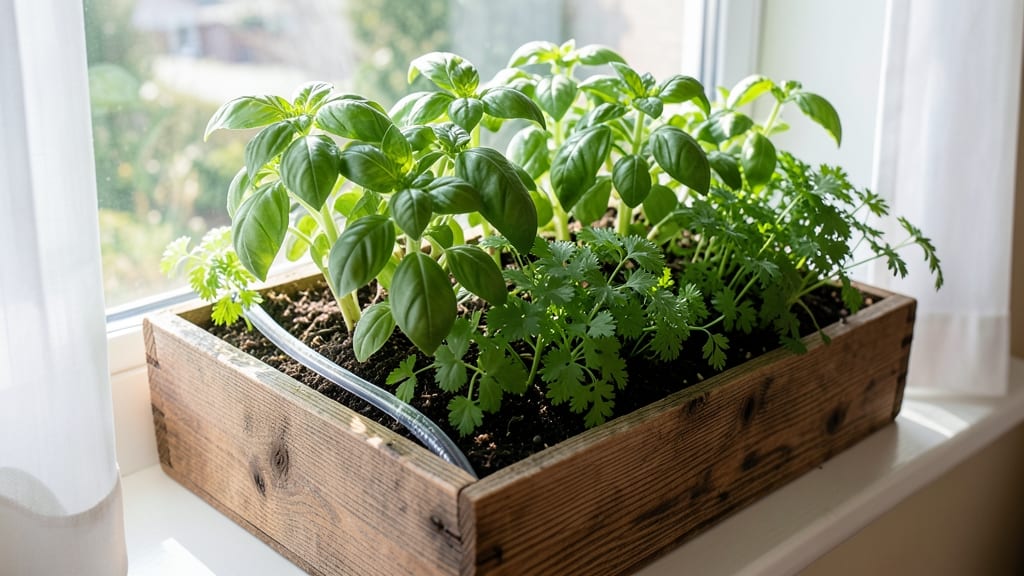
Turn your windowsill into a year-round herb pantry with window box gardens—no yard required! These compact containers bring the freshest basil, parsley, and cilantro straight to your kitchen, while drip irrigation systems eliminate guesswork about watering schedules.
Choose three-tiered window boxes to maximize vertical space, placing thirstier herbs like basil at the top where they’ll get the most light. A simple drip system with a 5-gallon reservoir ensures consistent moisture without overwatering, even when you’re away. For best results, use a well-draining potting mix and position boxes where they’ll receive at least 6 hours of sun daily—south-facing windows are ideal.
This setup is perfect for urban gardeners with limited space or anyone who wants to grow fresh herbs without the hassle. Plus, the drip system makes it ideal for busy professionals who don’t have time for daily watering. 🌱
Spiral Herb Garden for Compact Flavor Variety
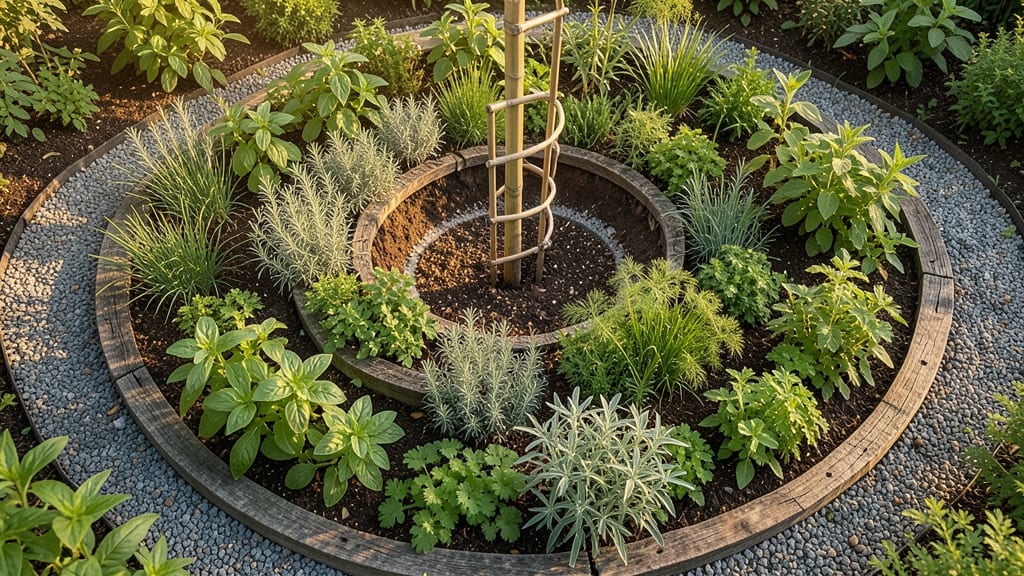
If you love experimenting with flavors but hate sacrificing space, a spiral herb garden is your secret weapon. This 3-foot diameter design packs 20+ different herbs into a single, circular bed—ideal for urban gardeners who crave variety without sprawling rows.
Start by creating concentric rings (like a bullseye) with the tallest herbs—like rosemary or lavender—at the center, where they won’t shade shorter varieties. Fill outer rings with thyme, chives, and parsley, spacing plants 6–12 inches apart. The spiral shape naturally channels rainwater to the center while keeping all herbs accessible. Mulch between rings to retain moisture and deter weeds.
This design thrives in full sun to partial shade and works year-round in mild climates, making it perfect for balcony gardens, patio corners, or even rooftop containers. Urban herb lovers will adore the convenience of harvesting fresh flavors just steps from the kitchen. 🌱
Gutter Planters for Pole Beans and Cucumbers
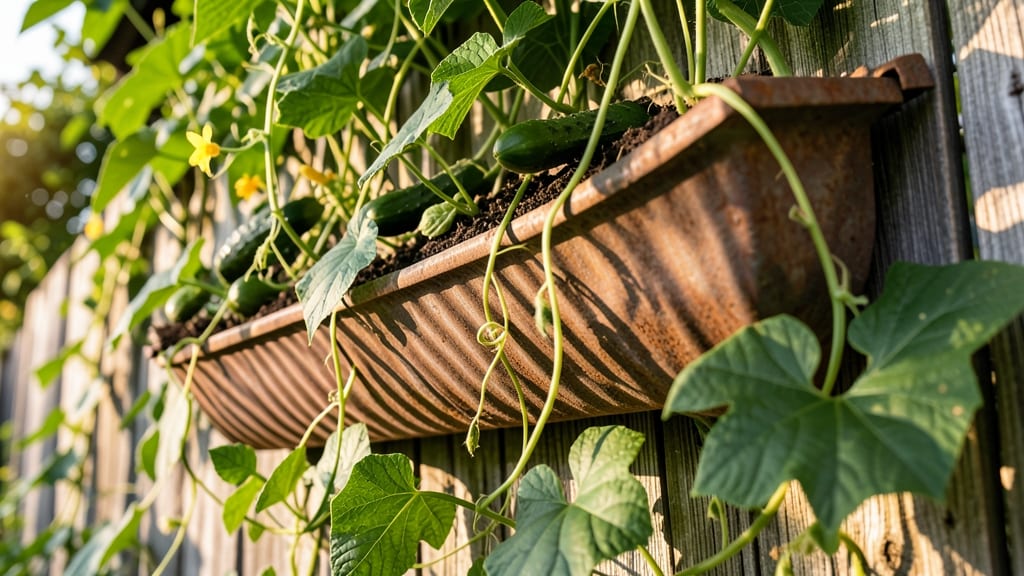
Turn your old gutters into a vertical veggie powerhouse for pole beans and cucumbers—two plants that love climbing but hate competing for ground space. These narrow, recycled planters transform dead fence space into a lush, productive garden that stays out of your way while delivering a summer-long harvest.
Install gutters horizontally along a fence or trellis, filling them with well-draining potting mix and 2-3 seeds per plant. Pole beans thrive in these tight spaces, producing tender pods within 50-60 days, while cucumbers (like 'Straight Eight' or 'Lemon') sprawl beautifully upward. Water deeply 2-3 times weekly during peak heat, and watch vines twine naturally along the gutter edges. The key? Secure the gutters firmly—they’ll get heavier as plants mature!
This setup is a game-changer for urban gardeners with limited square footage or renters who need portable solutions. Plus, it’s a sustainable way to repurpose materials while growing high-yield crops that beginners can master in a single season. 🌱
Modular Fabric Grow Bags for Salad Greens
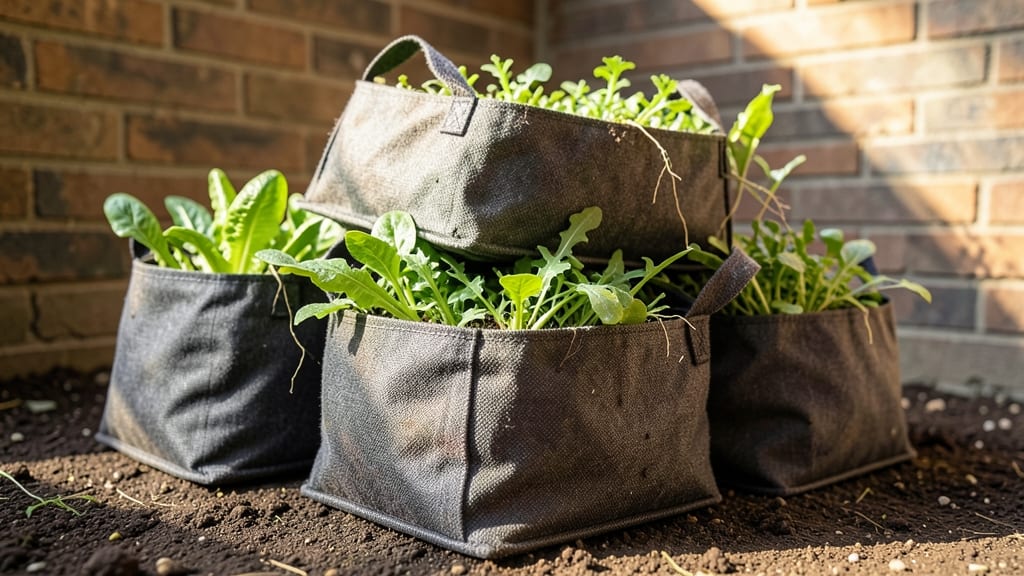
If you’ve ever struggled to grow crisp, fresh salad greens in cramped spaces, modular fabric grow bags might be your game-changer. These lightweight, breathable containers prevent soil compaction—a common issue in small urban gardens—while allowing roots to breathe and water to drain efficiently.
Fill each bag with a moisture-retentive potting mix (avoid garden soil) and sow lettuce, spinach, or arugula for a quick harvest. The bags’ portability lets you move them to follow sunlight or protect tender greens from afternoon heat. For year-round production, pair them with shade cloth in summer and row covers in winter.
Perfect for rooftop gardens, balconies, or even windowsills, these bags give urban gardeners the flexibility to grow without sacrificing yield. 🌱
Underground Planters for Shallow-Rooted Crops

If your urban yard feels too crowded for traditional veggie beds, underground planters are the secret weapon you’ve been missing. These sunken containers hide crops like potatoes, radishes, and green onions below ground, freeing up precious above-ground space while keeping harvests accessible.
Simply bury a deep container (at least 12 inches) filled with loose, well-draining soil. Plant shallow-rooted crops directly into the soil, and watch them thrive without encroaching on your patio or walkway. The buried edges also retain moisture better, reducing watering needs. For extra productivity, layer seed potatoes in the bottom and plant radishes or onions in the top soil—both will mature in time for a continuous harvest.
This method is perfect for gardeners with limited square footage or those who want to disguise their veggie patch in a landscaped area. Plus, the hidden beds stay cooler in summer, ideal for heat-sensitive crops like leafy greens. 🌱