
Flowers
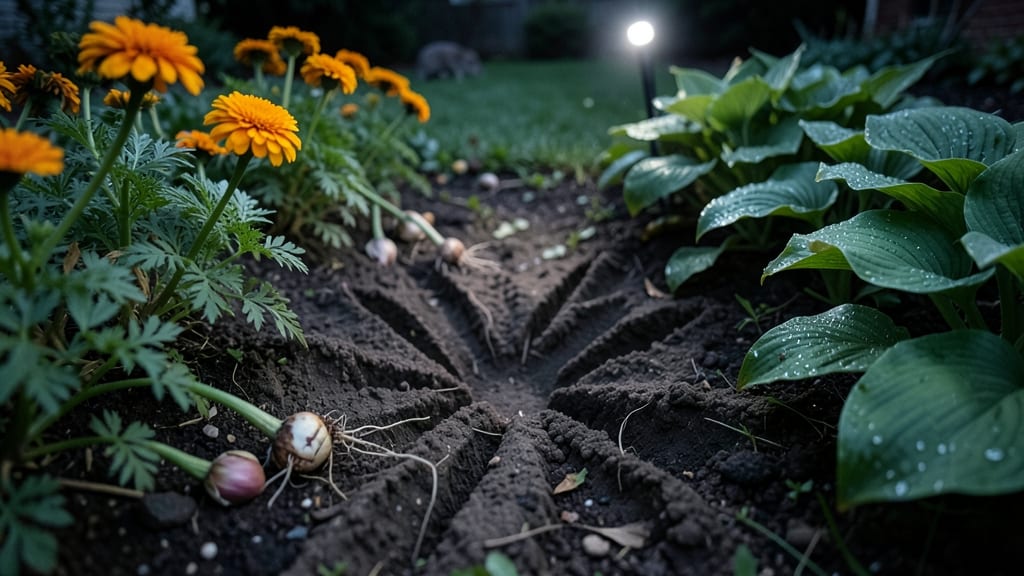
What is digging in my flower bed at night? It’s not your imagination—it’s moles or voles, and they’re wrecking your garden while you sleep. 🌿 I’ve spent too many mornings staring at tunnels and chewed bulbs, trying to figure out who’s the culprit.
The damage looks similar, but the clues are in the dirt, the plants, and even the time of year. Moles leave behind raised tunnels like underground highways, while voles create shallow surface holes and gnaw stems at the base. One burrows; the other nibbles.
Both ruin spring bulbs, but moles go deeper, and voles leave half-eaten plants like little garden crime scenes. The key is spotting their signatures—mole mounds look like tiny volcanoes, while vole damage is messy and uneven.
You’ll learn to tell them apart in minutes, then use humane traps or natural deterrents that actually work. No more guessing—just solutions that protect your garden without harming the critters (or your conscience). Let’s get your flower beds back to peaceful, undisturbed soil.
Here’s the thing—most gardeners assume it’s moles, but voles are the real troublemakers in my experience. They’re smaller, sneakier, and far more destructive to plants. Moles eat insects, so they’re less harmful (though still annoying), while voles feast on roots, bulbs, and stems.
That’s why your daffodils might look fine above ground but vanish overnight—vole dinner time. The damage tells the story: mole tunnels are smooth, vole holes are jagged, and gnawed stems mean voles.
Both leave behind uneven soil, but moles create puffy mounds while voles scatter dirt like they’re hiding evidence. Once you know what to look for, you’ll spot the difference in seconds—and that’s when the real work begins.
Solutions start with identification, then move to traps or repellents tailored to the pest. For moles, castor oil-based granules work wonders (and smell terrible—they hate it). Voles need hardware cloth barriers or snap traps placed along their runways.
The goal isn’t to kill but to redirect—moles to insect-rich lawns, voles to safer grazing spots. Prevention is easier than cleanup: remove mulch piles, keep grass short (moles love long grass), and plant vole-resistant perennials like lavender or daffodils. A little effort now saves hours of frustration later.
Your garden deserves peace—let’s make it happen.
Why it happens
If you’ve ever woken up to the unsettling sound of something scratching, tunneling, or munching in your flower bed after dark, you’re not alone. 🌙🐾 The nighttime garden activity is rarely random—it’s usually a mix of survival instincts, habitat preferences, and even seasonal behaviors.
Understanding why these creatures dig, forage, or nest at night helps you identify the culprit and take targeted action. Below, we break down the science behind their nocturnal habits, from evolutionary biology to environmental triggers.
Voles (often mistaken for mice) are crepuscular (most active at dawn/dusk) but will dig and forage at night when food is scarce or predators are less active. Their behavior stems from three key factors:
- Food Scarcity: Voles are opportunistic grazers that rely on tender roots, bulbs, and stems. When surface vegetation thins (due to frost, drought, or overgrazing), they dig shallow tunnels (1–3 inches deep) to access hidden calories. Their teeth are adapted for gnawing, not digging, so they often pull plants out rather than burrow deeply—leaving a messy, uneven flower bed.
- Predator Avoidance: Owls, foxes, and snakes hunt voles during the day. At night, their keener night vision (thanks to large eyes relative to their skull) and sharp hearing give them an edge. Digging under cover of darkness reduces their risk of becoming a meal.
- Territorial Marking: Voles urinate and scratch to mark territory, especially in dense plantings. The foul-smelling urine you might notice near disturbed soil is a chemical signal to other voles—a warning to stay away or a mating call.
Actionable Insight: Voles prefer soft, loose soil (like mulched beds) and avoid gravel or sharp-edged rocks. If you see surface runways (trampled paths) or half-eaten plants, voles are likely the culprits.
Moles are strictly nocturnal (or at least active at night) for one reason: they’re built for digging. Their behavior isn’t about food—it’s about survival. Here’s the science:
- Ectothermic Digging: Moles generate body heat while tunneling (their muscles work like a furnace), but they lose heat quickly in cold soil. At night, warmer air temperatures near the surface make digging more efficient. Their velvet-like fur insulates them, but they still prefer moist, aerated soil (ideal for their respiratory needs).
- Insect Buffet: Moles eat 50–100% of their body weight daily in grubs, worms, and larvae. These prey are most active at night, when the soil is damp and cool—perfect for mole foraging. Their highly sensitive snouts detect vibrations from worms moving underground.
- Avoiding Competition: Other animals (like shrews or mice) also dig for food. Moles tunnel deeper (6–12 inches) at night to avoid surface predators and compete for resources. Their permanent tunnels (used for travel) are separate from feeding tunnels (which collapse after use).
Actionable Insight: Molehills near surface (not deep pits) and raised ridges in your bed are classic signs. If you find no plant damage but see freshly turned soil, moles are likely aerating your garden—not stealing your flowers.
Not all nighttime digging is year-round. Environmental triggers like temperature, moisture, and plant cycles influence when (and why) these creatures strike:
| Season | Vole Behavior | Mole Behavior |
|---|---|---|
| Spring |
|
|
| Summer |
|
|
| Fall |
|
|
| Winter |
|
|
Actionable Insight: Spring and fall are the worst for both pests. Moles hit hardest when worms are active (after rain), while voles ramp up as new growth appears. Monitor your bed’s moisture levels—both creatures avoid dry or waterlogged soil.
Sometimes, your gardening habits are the real reason these critters are crashing your nighttime party. Here’s how you might be inviting them in:
- Overwatering:
Stop Nighttime Garden Invaders
Discovering mysterious digs in your flower bed isn’t just frustrating—it’s a call to action. Whether your garden’s being raided by moles or voles, each culprit requires a different strategy.
Below, we break down the best ways to identify, trap, and prevent these nocturnal nuisances so your garden can thrive without the chaos.
Voles (also called meadow mice) leave shallow, surface-level tunnels and often gnaw on plants. Here’s how to evict them:
🔥 Step 1: Set Snap Traps 🐭
- Where to place them: Along their runways (look for fresh dirt mounds or chewed plants).
- Bait: Use apple slices, peanut butter, or oats—they’re irresistible!
- Pro tip: 💡 Place traps perpendicular to the tunnels for maximum effectiveness.
🍳 Step 2: Try Live Traps (Humane Option)
- How it works: A wire mesh cage with bait inside. Check traps daily and relocate voles far from your garden (at least 2+ miles away).
- Warning: ⚠️ Release them in a wooded area, not someone else’s yard!
🌡️ Step 3: Natural Repellents
- Castor oil spray: Mix 2 tbsp castor oil + 1 tsp dish soap + 1 gallon water. Spray tunnels and plant bases weekly.
- Predator urine: Fox or coyote urine (available at garden stores) can scare them off temporarily.
- Hardware cloth barriers: Bury 12-inch mesh around vulnerable plants to block burrowing.
✨ Prevention Tips for Voles
- Remove hiding spots: Keep grass short and eliminate brush piles.
- Plant vole-resistant flowers: Daffodils, alliums, and hyacinths are toxic to them.
- Regular checks: Inspect beds weekly for new tunnels or damage.
Moles create deep, winding tunnels and rarely surface. Their goal isn’t food—it’s insects, so traps must target their behavior.
👨🍳 Step 1: Use Mole Traps (Quick & Effective)
- Scissor traps: Place them in active tunnels (check with a probe—fresh tunnels are soft).
- Harpoon traps: Require more skill but are highly effective. Bury them with the point facing the tunnel.
- Pro tip: 🔥 Set traps in the late afternoon when moles are most active.
🥘 Step 2: Castor Oil Granules (Non-Toxic Option)
- How it works: Moles avoid the taste/smell. Sprinkle granules in tunnels and water lightly.
- Best for: Light infestations or as a preventive measure.
🔪 Step 3: Professional Help
- If tunnels persist, hire a wildlife removal expert. They use humane, long-term solutions like sonic repellents or exclusion fencing.
⏰ Prevention Tips for Moles
- Reduce grubs: Moles eat earthworms and grubs—treat lawns with beneficial nematodes to cut their food source.
- Aerate soil: Healthy soil with fewer pests = less mole interest.
- Mole-proof plants: Marigolds and daffodils deter them naturally.
No matter who’s digging, these tricks work for both moles and voles:
- 🌟 Nighttime patrols: Shine a flashlight after dark—moles and voles are active then!
- 🌿 Companion planting: Mix in garlic, onions, or chives—their scent confuses burrowers.
- 🚫 Avoid overwatering: Soggy soil attracts both pests.
- 📅 Seasonal checks: Spring and fall are peak digging seasons—stay vigilant!
With the right approach, your flower bed can go from war zone to sanctuary in no time. Try one method at a time, monitor results, and adjust as needed. Happy gardening—without the midnight excavators! 🌸🔍
Frequently asked questions
Could raccoons or skunks be digging in my flower bed at night?
While raccoons and skunks occasionally dig, they usually leave behind much larger holes (6+ inches wide) and often scatter debris everywhere. Raccoons are more likely to uproot plants to get to grubs or insects, while skunks dig shallow holes to hunt for grubs. Look for claw marks or torn-up mulch—these critters are messier than moles or voles.
How can I tell if the digging is caused by insects instead of animals?
Insects like grubs or beetle larvae create small, shallow holes (less than 1 inch deep) with fine, powdery soil around the edges. Unlike moles or voles, insect activity won’t leave tunnels or chewed plants—just scattered mounds of dirt. If you see these tiny holes, treat the soil with beneficial nematodes to eliminate the larvae.
Are there humane ways to stop moles from digging without harming them?
Yes! Castor oil granules are a non-toxic, humane solution. Sprinkle them along active tunnels and water lightly—the strong smell drives moles away. Another option is to install underground sonic repellents, which emit vibrations that disrupt their tunneling. Both methods are safe for pets and wildlife while keeping moles out of your garden.
What should I do if I find a mole or vole nest in my flower bed?
Never disturb active nests—especially in spring or summer when young may be present. For moles, focus on sealing off their tunnels with traps or repellents. For voles, relocate them gently using live traps and release them far from your garden. If nests are empty, you can safely fill tunnels with water or sand to discourage return visits.
Will planting certain flowers or herbs keep moles and voles away?
Some plants naturally deter burrowing pests! Daffodils, marigolds, and alliums (like garlic or onions) are effective because their strong scents repel both moles and voles. For extra protection, plant these around the edges of your flower bed. Just avoid overcrowding—the pests will still dig if food sources (like bulbs) are nearby.