
Pests
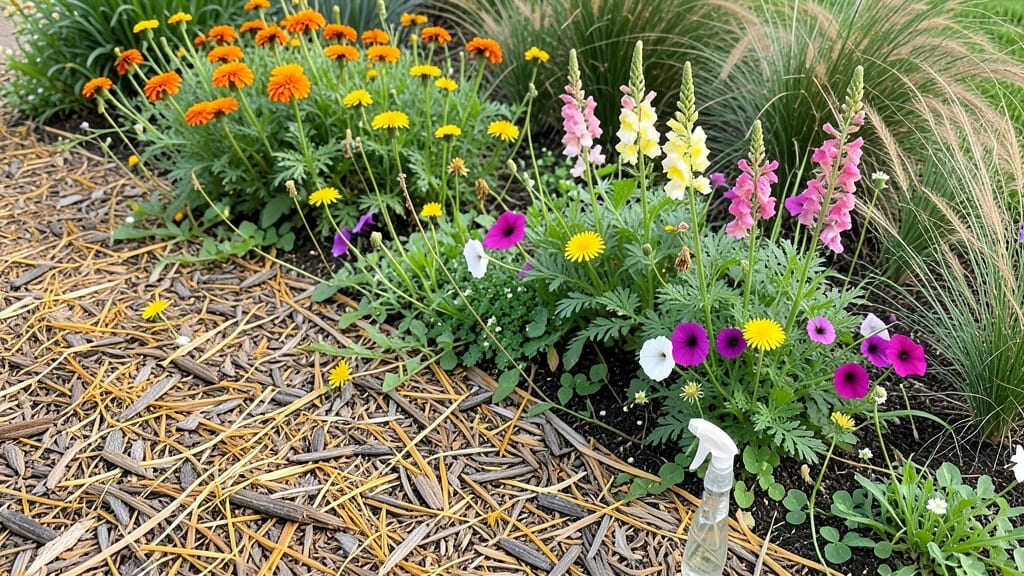
How to get rid of weeds in your flower bed naturally—without harsh chemicals or repeated treatments. 🌱 I’ve spent years battling weeds in my flower beds, and this vinegar-and-salt shock treatment is the only method that clears them out in one application without harming your plants. The secret lies in the right mix: white vinegar (20% acidity), salt, and a drop of dish soap for adhesion. You’ll spray it on weeds when they’re young and healthy, letting the solution break down their cell walls. It’s fast, effective, and won’t leave behind toxic residue like commercial weed killers. By the next watering, those weeds will be gone for good, and your flowers will thrive without competition. The best part? This method improves soil health over time by reducing synthetic chemicals. Works for annual weeds, crabgrass, and even stubborn dandelions—just avoid spraying on desirable plants. Here’s how to do it safely and effectively!
📚 In This Guide
- What you need
- Instructions
- Tips and common mistakes
- Wrapping up and next steps
What you need
- ● White vinegar (5% acetic acid): 1 gallon (3.8 liters) – Look for plain, undiluted vinegar for best results.
- ● Salt (non-iodized): 1 cup (250g) – Ensure it’s pure, like kosher or sea salt, for maximum effectiveness.
- ○ Dish soap (optional but recommended): 1 tablespoon – Helps the solution stick to weeds for better coverage.
- ● Spray bottle or garden sprayer: 1 (1-gallon capacity) – For even distribution of the mixture.
- ● Protective gloves: 1 pair – Vinegar and salt can be tough on skin!
- ○ Watering can or hose (for rinsing): Optional – Useful if you want to rinse the area afterward.
- ● Garden trowel or small shovel: For loosening soil and removing stubborn weeds.
- ● Trash bags or compost bin: To dispose of pulled weeds (avoid composting weed seeds!).
- ● Sunny day (or at least 4-6 hours of sunlight): Apply the treatment when weeds are actively growing for best results.
- ○ Mulch (optional): Straw, wood chips, or leaves – Helps prevent future weed growth.
Step-by-Step instructions for natural weed removal in flower beds
Here's the method I trust to clear weeds without harsh chemicals—safe for flowers and the environment.
🌱 Step 1: Identify and Select Target Weeds
First, scan your flower bed for weeds with broad leaves (like dandelions or chickweed) and avoid delicate flower foliage. I focus on weeds that are at least 3-4 inches tall—smaller ones won't absorb enough treatment to die. Use a small trowel to gently loosen soil around the weed roots before applying anything.
Here's the thing—some weeds, like clover, have deep taproots that regrow if you just cut them. For these, I mark them with a toothpick flag so I can target them again later. This ensures no weed gets overlooked in the process.
💧 Step 2: Apply Vinegar and Salt Solution
Mix 1 gallon of white vinegar (5% acetic acid) with 2 cups of salt in a spray bottle. Shake well until the salt dissolves completely. The solution should be strong enough to kill weeds but gentle enough to avoid damaging nearby flowers. Test on a small patch of weeds first—if they wilt within 24 hours, you're good to go.
On a calm, sunny day, spray the solution directly on the weeds until they're thoroughly soaked. Avoid spraying flowers or desirable plants—vinegar can burn their leaves too. I like to do this in the late afternoon so the solution has time to work before evening dew settles.
⏰ Step 3: Monitor and Reapply as Needed
Wait 3-5 days before checking for results. Weeds should turn brown and crispy—this means the treatment worked. If some weeds survive, reapply the solution, focusing on their roots. For stubborn weeds like creeping Charlie, I repeat the treatment every 7-10 days until they're completely gone.
Real talk: This method works best on young, actively growing weeds. If you wait until weeds are seedling, they'll be harder to kill. I make it a habit to treat weeds before they flower, which prevents them from spreading even more.
🌿 Step 4: Prevent Regrowth with Mulch
Once weeds are dead, spread 2-3 inches of organic mulch (like straw or wood chips) over the flower bed. Mulch blocks sunlight from reaching weed seeds in the soil, preventing new growth. I use shredded leaves for free mulch—just make sure they're disease-free first.
Don't skip this step. Mulch also helps retain soil moisture and keeps your flowers healthier. I refresh the mulch layer every 3-4 months to maintain its effectiveness. This is the secret to keeping your flower bed weed-free long-term.
✂️ Step 5: Maintain and Inspect Regularly
Check your flower bed weekly for new weeds, especially after rain. Rain can wash away mulch and expose fresh soil where weed seeds might sprout. If you spot a few weeds early, pull them by hand before they take root—it's the easiest way to stay ahead.
Here's what I do: I keep a small bucket of soapy water nearby to rinse my hands after pulling weeds. It's a simple way to avoid spreading seeds or dirt to other parts of the garden. Consistency is key—this method works best when you stay on top of weeds before they become a problem.
Tips & tricks for natural weed removal in flower beds
Here’s how to make this weed elimination method even more effective without harming your flowers.
Precision Targeting: In Step 1, when selecting weeds, focus on those with broad leaves like dandelions or chickweed—these absorb the vinegar-salt solution most effectively. For weeds with deep taproots like clover, I’ve found that gently loosening the soil with a trowel first helps the solution penetrate deeper, preventing regrowth. This step is especially critical if you’re dealing with weeds that have survived previous treatments.
Solution Strength Test: Before applying the 1-gallon vinegar and 2-cup salt mixture in Step 2, conduct a test spray on a small, inconspicuous patch of weeds. If they wilt within the specified 24 hours, your solution is strong enough. If not, add an extra ½ cup of salt and shake thoroughly. The key is ensuring the solution is potent enough to kill weeds but gentle enough to avoid damaging nearby flowers—this balance is what makes the method work.
Timing is Everything: The 3-5 day monitoring period in Step 3 is crucial, but don’t rush it. Weeds need time to absorb the solution and show visible signs of distress—browning and crispiness. If you’re dealing with stubborn weeds like creeping Charlie, reapplying every 7-10 days is non-negotiable. I’ve learned the hard way that skipping this step leads to weeds bouncing back stronger than ever.
Mulch Layer Matters: When applying the 2-3 inch layer of organic mulch in Step 4, make sure it’s evenly distributed. Uneven layers can leave gaps where weed seeds might sprout. I’ve had the best results with shredded leaves or straw, as they break down slowly and provide long-term weed suppression. Refreshing the mulch every 3-4 months keeps it effective and prevents compaction, which can smother your flowers too.
Pro Tips for Get Rid Of Weeds In Flower Bed Naturally
- Here’s how to make this weed elimination method even more effective without harming your flowers.
- Precision Targeting: In Step 1, when selecting weeds, focus on those with broad leaves like dandelions or chickweed—these absorb the vinegar-salt solution most effectively.
- Solution Strength Test: Before applying the 1-gallon vinegar and 2-cup salt mixture in Step 2, conduct a test spray on a small, inconspicuous patch of weeds.
Frequently asked questions
Got questions about tackling weeds the natural way? You’re not alone! Here are some of the most common queries—plus straightforward answers to help you reclaim your flower bed with confidence.
Can vinegar and salt really kill weeds without harming my flowers?
Yes, but only if applied carefully! Vinegar (especially white vinegar with 5–10% acidity) and salt are effective for weeds because they disrupt cell membranes. To protect your flowers, spray only on weeds (avoid overspray) and apply on dry, sunny days—this prevents runoff from damaging nearby plants. For extra safety, use a dropper or sponge for precise application.
How long does it take for weeds to die after treatment?
Most weeds show signs of wilting within 24–48 hours, but full death can take 3–7 days, depending on the weed type and weather. Hot, dry conditions speed up the process, while rain may dilute the solution. For stubborn weeds, reapply every 2–3 days until they brown and crumble. Patience is key!
What’s the best time of day to apply this weed killer?
Apply the vinegar-salt mix on bright, sunny mornings (after dew has dried) for maximum effectiveness. The sun helps the solution absorb faster, while cooler temps reduce evaporation. Avoid spraying in the afternoon heat—it can cause the vinegar to evaporate before it works, or in the evening, as moisture from dew or rain may dilute the treatment.
Will this method work on deep-rooted weeds like dandelions?
For deep-rooted weeds, you’ll need to repeat the treatment over 1–2 weeks to exhaust the roots. Focus on the foliage first, then dig out any remaining roots by hand (wear gloves!). For dandelions, a vinegar-salt-soap combo (add a drop of dish soap as a surfactant) can improve penetration. Note: This may take longer than synthetic herbicides, but it’s chemical-free!
What if rain is forecasted right after I treat the weeds?
If rain is expected within 24 hours, wait to apply the solution—water will wash it away before it takes effect. Check the weather forecast and treat on a dry stretch. If you’ve already applied it and rain hits, reapply after 2–3 days once the area is dry. A little planning goes a long way!
Are there any plants I should avoid near my flower bed after using this?
While vinegar and salt are generally safe for flowers when applied correctly, avoid treating near acid-sensitive plants like azaleas, hydrangeas, or blueberries. Also, keep the solution away from vegetable gardens—salt can alter soil chemistry over time. If you’re unsure, test a small area first or opt for corn gluten meal as a pre-emergent alternative.
Wrapping up and next steps
Say goodbye to pesky weeds without harsh chemicals! With just vinegar, salt, and a little elbow grease, you’ve got a natural, budget-friendly way to reclaim your flower bed. 🌱 The key is consistency—stay patient, and those unwanted plants will fade away, leaving room for your blooms to shine.
Ready to transform your garden? Pick a sunny day, gather your supplies, and give it a try! Your future self (and your flowers) will thank you. 🌞