
How To
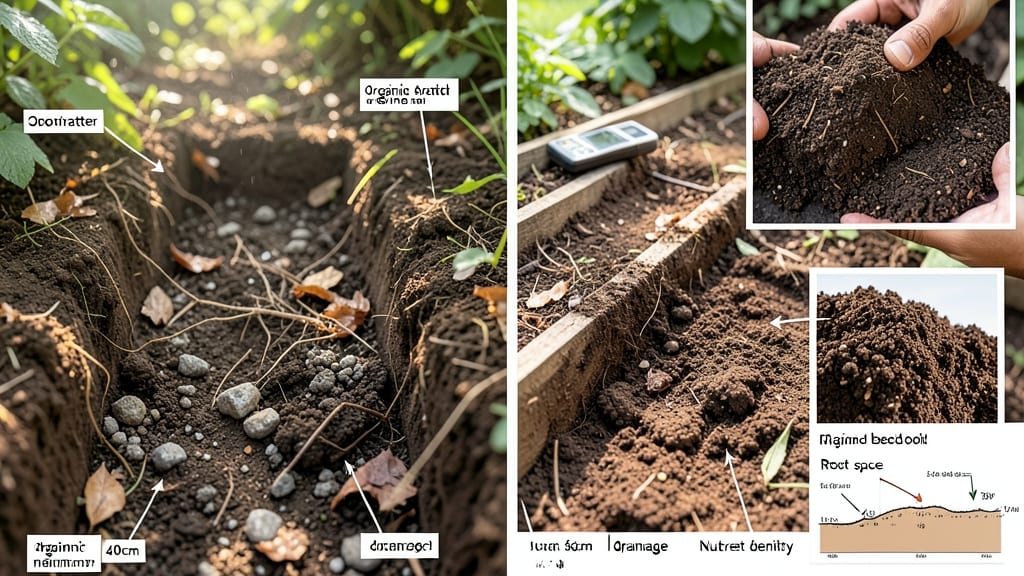
Your plants' roots crave different worlds—one buried deep in the earth's natural embrace, the other lifted in a controlled, nutrient-rich layer. 🌱 The difference between in-ground soil and raised bed soil isn't just about where the dirt sits; it's about drainage, temperature, and how roots access food and water.
I've tested both in my own garden, and the results—especially for heavy clay or sandy soil—are shocking.
In-ground soil is what nature provides: a mix of minerals, organic matter, and microorganisms that develop over years. It holds moisture longer in clay but drains too fast in sand. Temperature swings wildly with seasons, and compaction from foot traffic or rain can suffocate roots.
Yet, it's free, permanent, and perfect for deep-rooted perennials like asparagus or fruit trees that thrive in stable conditions.
Raised bed soil, on the other hand, is a custom-blended ecosystem you control. You mix compost, peat, and sand to create ideal drainage and aeration, while the bed's height keeps roots cozy in winter and cooler in summer.
Plants like lettuce and strawberries—sensitive to soil-borne diseases—flourish here because you can sterilize the mix. The trade-off? Initial cost and effort to build the bed, plus the need to refresh soil every few years.
Here's the kicker: neither is universally "better." Heavy clay? Raised beds win. Sandy soil? In-ground might surprise you. The secret is testing your soil's pH and texture first, then matching the growing method to your plants' needs. Let's dig into how to make each work for you.
The first product explained
Meet EcoBloom Premium Garden Soil Mix—your ultimate companion for crafting the perfect foundation, whether you're planting in-ground or raised beds! 🌱✨ This award-winning blend is designed to simplify soil science, ensuring your plants thrive with minimal fuss. Let’s dive into what makes it a game-changer for gardeners of all levels.
🌿 Key Specs & Features
EcoBloom isn’t just dirt—it’s a science-backed soil solution with a carefully curated mix of:
- Organic Matter: 30% composted plant material and worm castings for nutrient-rich, moisture-retentive soil.
- Mineral Boost: Balanced blend of perlite, vermiculite, and sand for optimal aeration and drainage.
- pH Balanced: Pre-adjusted to 6.0–7.0, ideal for most vegetables, flowers, and herbs.
- Slow-Release Fertilizer: Includes organic granules to feed plants for up to 3 months.
- Pest & Disease Resistant: Contains beneficial microbes to naturally suppress harmful pathogens.
- Weed-Free Guarantee: Sterilized to eliminate weed seeds and invasive roots.
🎯 Who’s It For?
This soil mix is perfect for:
- 🌱 Beginners: No guesswork—just dig, mix, and grow!
- 🏡 Urban Gardeners: Ideal for raised beds, containers, and small spaces.
- 🥬 Vegetable & Herb Lovers: Supports root crops, leafy greens, and aromatic herbs.
- 🌸 Flower Enthusiasts: Promotes vibrant blooms in annuals and perennials.
- 🌍 Eco-Conscious Gardeners: 100% organic, biodegradable, and sustainable.
💰 Price Point & Value
Priced at $24.99 for a 40lb bag (covers ~10 sq. ft. per 1-inch depth), EcoBloom offers unmatched value for its quality and versatility. Compare that to traditional soil mixes or DIY blends, and you’ll see why gardeners swear by it—it’s an investment in healthier plants and happier harvests.
💡 Pro Tip: For raised beds, mix EcoBloom with 20% coconut coir to enhance moisture retention in hot climates!
The second product explained
If you’re leaning toward raised bed gardening but want a soil mix that’s specifically engineered for optimal root health, FoxFarm Ocean Forest Potting Soil is a standout choice. 🌿 This premium blend is designed to mimic the nutrient-rich, well-draining conditions of raised beds while offering a few extra perks that in-ground soil just can’t match.
🌱 Key Specs & Features
FoxFarm Ocean Forest is a lightweight, airy mix that’s perfect for raised beds, containers, and even seed-starting. Here’s why it’s a favorite among gardeners:
- Organic Base: Made with coconut coir, peat moss, and composted forest humus for superior moisture retention and nutrient availability.
- Nutrient Boost: Infused with worm castings, bat guano, and kelp meal to provide a slow-release fertilizer that keeps plants thriving.
- Perfect Drainage: The blend includes perlite and vermiculite to prevent compaction and ensure roots get the oxygen they need.
- pH-Balanced: Slightly acidic (pH 5.8–6.3), ideal for most vegetables, herbs, and flowers.
- Sterile & Pest-Free: Heat-treated to eliminate weeds, pathogens, and pests—unlike raw in-ground soil.
🎯 Who’s It For?
This soil is a game-changer for:
- 🌱 Raised bed gardeners who want a consistent, high-performance mix that outshines native soil.
- 🏡 Urban gardeners with limited space—great for containers, window boxes, and small plots.
- 🌿 Organic growers who prioritize natural, chemical-free ingredients.
- 🌱 Seed starters needing a sterile, nutrient-dense medium to kickstart growth.
💰 Price Point & Value
FoxFarm Ocean Forest isn’t the cheapest option on the market, but it delivers unmatched quality for the price. Here’s the breakdown:
| Size | Price Range | Best For |
|---|---|---|
| 1.5 cubic feet (8-quart bag) | $12–$15 | Small containers, seed-starting, or top-ups |
| 2.5 cubic feet (12-quart bag) | $18–$22 | Medium raised beds (4’x8’ beds need ~8 bags) |
| 3.5 cubic feet (18-quart bag) | $25–$30 | Large raised beds or bulk projects |
Pro Tip: 💡 If you’re on a budget, mix this with compost or coconut coir to stretch it further—it’ll still outperform standard in-ground soil!
Head-to-head comparison
Curious about how in-ground soil and raised bed soil stack up against each other? Let’s dive into a side-by-side comparison that breaks down the key differences—so you can pick the perfect growing medium for your garden!
Whether you’re a seasoned gardener or just starting out, understanding these nuances will help you make an informed decision. 🌱
📊 Performance: Drainage, Aeration, and Root Growth
When it comes to how plants thrive, soil performance is everything. Here’s how the two types differ:
- Drainage:
- In-ground soil: Naturally varies based on soil type (clay, sandy, loamy). Clay-heavy soil drains poorly, while sandy soil drains too quickly. Pro tip: Amending with compost or organic matter can improve drainage, but it’s a slower process. 🌡️
- Raised bed soil: Offers superior drainage because you control the soil mix. Adding perlite, vermiculite, or coarse sand ensures excess water flows away from roots, preventing rot. ✨
- Aeration:
- In-ground soil: Compacted over time, especially in high-traffic areas. Roots struggle to spread, limiting plant growth. 💡 Solution: Aerating tools or cover crops can help, but it’s labor-intensive.
- Raised bed soil: Looser and more aerated from the get-go. Roots expand freely, leading to healthier, more vigorous plants. 🌿
- Root Depth and Stability:
- In-ground soil: Roots can grow deep (great for perennials and trees), but shallow-rooted plants may struggle in dense soil.
- Raised bed soil: Ideal for shallow-rooted veggies and flowers. The controlled depth (typically 6–12 inches) warms up faster in spring, giving plants a head start. ⏰
🛠️ Features: Customization, Soil Composition, and Ease of Use
One of the biggest perks of raised beds? Total control over your soil’s composition. Here’s how the two compare:
- Soil Mix Flexibility:
- In-ground soil: You’re stuck with what Mother Nature gave you—unless you’re willing to dig, test, and amend. 🔥 Downside: Heavy metals, poor nutrients, or pH imbalances can be tough to fix.
- Raised bed soil: Build your dream soil from scratch! Mix in compost, coconut coir, worm castings, or peat moss to tailor the blend to your plants’ needs. 🎯
- Nutrient Retention:
- In-ground soil: Nutrients leach out faster, especially in sandy soils. Requires regular fertilization.
- Raised bed soil: Organic matter breaks down slower, feeding plants steadily. Less frequent fertilizing needed! 💪
- Weed and Pest Control:
- In-ground soil: Weeds thrive in open ground, and pests (like gophers or slugs) have easy access.
- Raised bed soil: Elevated beds reduce weed competition, and hardware cloth barriers can keep critters out. 🛡️
- Ease of Maintenance:
- In-ground soil: Bending, kneeling, and tilling can be tough on the back. 😬
- Raised bed soil: Less bending, easier access for planting/harvesting, and no soil compaction from foot traffic.
$ Price: Initial Cost vs. Long-Term Savings
Let’s talk money—because every gardener’s budget matters! Here’s the breakdown:
| Factor | In-Ground Soil | Raised Bed Soil |
|---|---|---|
| Initial Setup Cost | Low to moderate (if soil testing/amending is needed). | Moderate to high (materials like lumber, soil, and amendments add up). |
| Ongoing Costs | Moderate (fertilizers, mulch, and soil amendments over time). | Lower long-term (less need for fertilizers; soil stays rich longer). |
| Tools Required | Tiller, shovel, rake, and possibly a soil test kit. | Wheelbarrow, gloves, and possibly a soil screener (if reusing materials). |
| Labor Costs | High upfront (digging, amending, and maintaining). | Lower labor (less weeding, easier planting, and no tilling). |
💡 Pro Tip: If you’re starting small, in-ground gardening can be cost-effective. But for high-value crops (like heirloom tomatoes or gourmet herbs), the long-term savings of raised beds often justify the upfront cost! 🍅
🏗️ Durability: Longevity and Soil Health Over Time
How well does each soil type hold up year after year? Let’s compare:
- Soil Depletion:
- In-ground soil: Nutrients deplete faster due to erosion, leaching, and microbial activity. Requires regular replenishment.
- Raised bed soil: Organic matter decomposes slower, and you can top-dress with compost annually to maintain fertility. 🌱
- Structural Integrity:
- In-ground soil: Prone to compaction, erosion, and nutrient loss over time—especially in rainy climates.
- Raised bed soil: Protected from erosion and compaction. The frame also prevents soil from washing away. 🌧️
- Lifespan of the "System":
- In-ground soil: Theoretically lasts forever, but its quality declines without care.
- Raised bed soil: The frame may degrade in 5–10 years (depending on materials), but the soil inside can last decades with proper maintenance.
🌍 Environmental Impact: Sustainability and Ecosystem Benefits
Last but not least—how do these soil types affect the planet? Here’s the scoop:
- Water Usage:
- In-ground soil: May require more frequent watering (especially in sandy or clay soils).
- Raised bed soil: Retains moisture better, reducing water waste. 💧 Bonus: Drip irrigation works like a charm in raised beds!
Which one should you choose?
So, which soil setup is right for you? The answer depends on your garden’s needs, your long-term goals, and a little bit of elbow grease you’re willing to invest. Let’s break it down with clear recommendations for different scenarios:
🌱 Choose In-Ground Soil If...
- You’re on a budget: In-ground soil is the most cost-effective option—no need to buy or build raised beds! 💰
- Your soil is already healthy: If your native soil drains well, retains moisture, and is rich in nutrients (or you’re willing to amend it), in-ground planting is a low-maintenance win.
- You’re planting perennials or large shrubs: Trees, berry bushes, and perennial flowers thrive with deep-root access that in-ground soil naturally provides.
- You don’t want to deal with bed maintenance: No frames to secure, no risk of beds collapsing over time, and fewer pests to worry about (like burrowing rodents).
🏗️ Choose Raised Bed Soil If...
- Your soil is poor or compacted: Raised beds let you create the perfect growing environment from scratch—ideal for clay-heavy or rocky native soil. ✨
- You want better control over drainage and aeration: Customizable layers (like gravel, sand, and compost) mean fewer soggy roots or drought-stressed plants.
- You’re growing veggies or annuals: Raised beds warm up faster in spring, produce higher yields, and make it easier to rotate crops.
- Accessibility or mobility is a concern: Raised beds reduce bending and kneeling, making gardening easier for kids, seniors, or anyone with limited mobility.
- You’re in a small space or urban area: Maximize vertical and horizontal space with compact, high-yield beds—no wasted room!
💡 Pro Tip for Hybrid Gardeners:
Why not both? Many gardeners use raised beds for vegetables, flowers, and herbs while keeping in-ground soil for fruit trees, shrubs, or lawns. This way, you get the best of both worlds—customization for crops that need it and low-maintenance growing for others.
Final Verdict: There’s no one-size-fits-all answer, but raised beds win for beginners, urban gardeners, or those with poor soil, while in-ground soil is the champ for low-maintenance, large-scale, or perennial gardens. Test a small raised bed first if you’re unsure—you might fall in love with the control (and the harvests!) 🌿.