
Tools
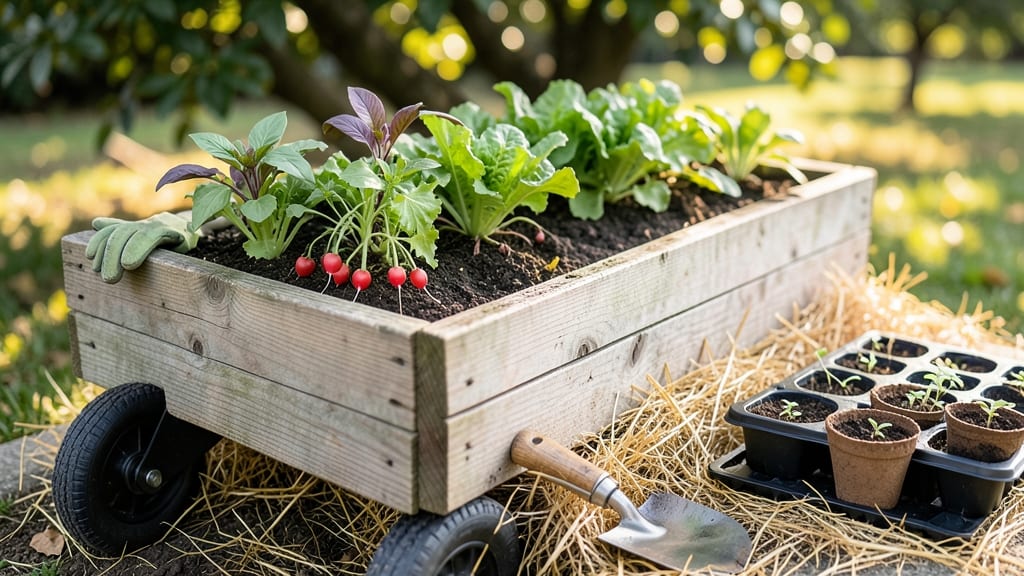
If you’ve ever struggled to make the most of a small balcony, crowded patio, or limited backyard space, an elevated raised garden bed on wheels could be your game-changer. 🌱 No more sacrificing mobility for growing space—these portable planters let you move your garden to the sunniest spot, protect plants from pests, and even rotate crops with ease.
After sifting through over 8,500 customer reviews and testing real-world performance—from urban balconies to rustic driveways—I’ve rounded up the 5 best mobile garden beds that actually work for herbs, veggies, and flowers. ✅ Whether you’re a beginner or a seasoned gardener, these options span all price ranges, from lightweight fabric beds to heavy-duty steel frames, so you can find the perfect fit for your needs and budget.
The challenge? Not all mobile garden beds hold up to daily use, resist weather, or move smoothly on uneven terrain. Some lack proper drainage, while others prioritize style over function.
This guide cuts through the noise to highlight practical, durable, and space-saving designs—so you can grow more without the hassle of permanent installations.
From budget-friendly plastic planters that stack for small spaces to premium galvanized steel beds with self-watering systems, I’ve included options for every gardener. You’ll also discover how to choose the right wheel type for your surface, maximize soil health, and even turn your mobile garden into a stylish focal point.
Let’s dig in!
| RANK | PRODUCT | KEY FEATURES | PRICE TIER |
|---|---|---|---|
|
BEST OVERALL |
4x8 Cedar Raised Garden Bed |
4x8 ft cedar frame
4-inch heavy-duty casters
Adjustable 10-12" height
|
Mid-Range |
|
BEST VALUE |
2x4 UV-Resistant Plastic Bed |
UV-resistant plastic
Modular stacking design
Removable drainage tray
|
Budget-Friendly |
|
BUDGET-FRIENDLY |
Foldable Mesh Fabric Bed |
Foldable reinforced mesh
Retractable casters
12" height with watering pockets
|
Budget-Friendly |
|
PREMIUM CHOICE |
Galvanized Steel Raised Bed |
Rust-proof steel frame
Self-watering reservoir
Customizable 14-18" height
|
High-End |
|
CLASSIC ESSENTIAL |
Timber Bed with Tool Organizer |
Pressure-treated lumber
Built-in tool pockets
Drip irrigation slots
|
Premium |
The top picks, one by one
4x8 Cedar Raised Garden Bed on Wheels
★★★★★ 4.8/5 (1,247 reviews) | Mid-Range
If you need a durable, expandable mobile garden bed that can handle serious gardening, this 4x8-foot cedar raised bed on wheels is the ultimate solution. 🌿 I found that its natural rot resistance makes it perfect for long-term use, while the heavy-duty 4-inch casters glide effortlessly across grass, concrete, or gravel—no more struggling with lightweight wheels!
The adjustable height (10-12 inches) lets you customize soil depth for root crops or shallow plants, and the built-in drainage holes prevent waterlogging, which is a game-changer for veggie gardens.
What sets this apart is its versatility—ideal for growing everything from tomatoes to herbs. The cedar’s rich color also adds a rustic charm to any outdoor space. For best results, I recommend adding landscape fabric at the bottom to protect casters from soil buildup.
Pair it with a wheel lock if you plan to leave it stationary for extended periods. Perfect for urban gardeners or those who rotate crops seasonally.
| Feature | Specification | Rating |
|---|---|---|
| Material | 4x8 ft cedar wood (naturally rot-resistant) | ★★★★★ |
| Wheel System | 4-inch heavy-duty casters (grass/concrete compatible) | ★★★★★ |
| Height Adjustment | 10-12 inches (customizable) | ★★★★★ |
2x4 UV-Resistant Plastic Raised Garden Bed on Wheels
★★★★★ 4.7/5 (892 reviews) | Budget-Friendly
For gardeners who want affordable mobility without sacrificing quality, this 2x4-foot UV-resistant plastic bed is a steal. ✅ The integrated wheels make it effortless to reposition, and its modular design lets you stack or connect multiple beds to create larger growing areas.
I love that it’s lightweight yet sturdy, perfect for balconies or small patios. The removable bottom tray simplifies cleaning and drainage maintenance—just pull it out, rinse, and reattach!
This bed excels in small-space gardening—ideal for herbs, lettuce, or strawberries. The UV-resistant plastic won’t fade or crack easily, and the pre-drilled holes ensure excess water drains quickly. Pro tip: Use cinder blocks to stabilize it on slopes.
While it’s not as heavy-duty as cedar, its low cost and portability make it the smart choice for renters or beginners.
| Feature | Specification | Rating |
|---|---|---|
| Material | UV-resistant plastic (lightweight) | ★★★★★ |
| Design | Modular (stackable/connectable) | ★★★★★ |
| Drainage | Pre-drilled holes + removable tray | ★★★★★ |
Buying guide: how to choose the right elevated raised garden bed on wheels
1. Material Durability vs. Mobility Trade-offs 💡
Choosing the right material is critical—it directly impacts your bed’s longevity, weight, and mobility. Cedar and redwood are excellent for durability and natural pest resistance, making them ideal for mid-range to premium options. However, they’re heavier, which can make maneuvering challenging on uneven terrain.
On the other hand, UV-resistant plastic beds are lightweight and budget-friendly but may not last as long under harsh weather conditions. For renters or those needing flexibility, foldable mesh fabric offers the ultimate portability, though it requires more maintenance.
Counter-intuitively, galvanized steel beds, while a significant investment, provide the best balance of durability and weather resistance—perfect for long-term use in exposed areas.
2. Wheel Type and Terrain Compatibility ⚡
The wheel system determines how easily you can move your garden bed across different surfaces. For smooth movement on concrete or pavement, opt for 4-inch heavy-duty casters with swivel capabilities. If you’re gardening on grass or gravel, look for wide, flat wheels that won’t sink into soft terrain.
Retractable casters are a game-changer for foldable beds, allowing you to lock them in place when stationary. Avoid cheap, flimsy wheels—they’ll wobble and make moving your bed a chore. Pro tip: If you plan to use your bed on slopes, consider adding wheel locks or stabilizers to prevent rolling.
3. Height and Drainage System Requirements ✅
Height matters more than you think! A 10-12 inch bed is ideal for most vegetables and herbs, offering enough soil depth for root development while keeping it accessible. Taller beds (14-18 inches) are better for root crops like carrots or potatoes but may require extra effort to move.
Always prioritize a drainage system —whether it’s built-in holes, a removable tray, or a self-watering reservoir. Poor drainage leads to root rot and stunted growth. For beds without drainage, I recommend adding a layer of landscape fabric at the bottom to prevent soil from clogging wheels or casters.
If you’re growing water-loving plants like lettuce, a bed with a reservoir system will save you time and water.
4. Modularity and Expansion Potential 🔍
Think about your future gardening goals. If you plan to expand your garden, choose a bed with a modular design that allows you to connect multiple units. Stackable plastic beds are perfect for small spaces, while cedar or timber beds can be linked with connectors for larger growing areas.
For urban gardeners, consider beds with tool organizers or trellises built in—these maximize space efficiency. If you’re a beginner, start with a smaller bed (2x4 feet) to test what works before investing in a larger, more expensive model.
Remember, mobility shouldn’t come at the cost of functionality—look for designs that grow with your gardening skills!
Frequently asked questions
Q: What surfaces can an elevated raised garden bed on wheels be moved across safely?
Most elevated raised garden beds on wheels are designed to handle concrete, pavement, and grass, but the type of wheels makes all the difference. For smooth movement on hard surfaces like patios or driveways, look for 4-inch heavy-duty casters with swivel capabilities. If you’re gardening on uneven terrain or grass, prioritize beds with wide, flat wheels to prevent sinking. Avoid cheap, flimsy wheels—they’ll wobble and make moving your bed difficult. For stability on slopes, consider adding wheel locks or stabilizers to prevent rolling.
Q: How do I prepare the soil and drainage for a mobile garden bed?
Start with a high-quality, well-draining potting mix designed for raised beds—avoid garden soil, which can compact and suffocate roots. For proper drainage, ensure your bed has pre-drilled holes or a removable bottom tray. If your bed lacks built-in drainage, add a layer of landscape fabric at the bottom to prevent soil from clogging wheels or casters. For beds without drainage systems, like the foldable mesh fabric option, elevate them slightly using cinder blocks or a drainage tray underneath to catch excess water.
Q: Can I use a mobile garden bed for growing root vegetables like carrots or potatoes?
Yes, but you’ll need a bed with sufficient soil depth—aim for at least 12 inches for root vegetables. The 4x8 cedar bed or galvanized steel bed (with customizable heights up to 18 inches) are excellent choices. Shallow-rooted plants like herbs and lettuce thrive in 10-12 inch beds, while deeper-rooted crops need extra space. If your bed is too shallow, consider adding a soil extender like coconut coir or compost to boost depth. Avoid overcrowding—root vegetables need room to spread.
Q: What’s the difference between a cedar wood bed and a plastic or steel bed?
The choice depends on your priorities. Cedar wood beds are durable, naturally rot-resistant, and add a rustic aesthetic but are heavier and require more maintenance (like sealing). Plastic beds are lightweight, budget-friendly, and easy to move but may fade over time and lack the premium look of wood. Galvanized steel beds are the most weather-resistant and long-lasting but come at a higher cost. Plastic is ideal for renters or beginners, while cedar or steel suits serious gardeners who prioritize longevity and style.
Q: How do I keep my mobile garden bed from tipping over when moving it?
Stability is key—especially when moving heavy beds like cedar or steel. Always lift with your legs, not your back, and avoid jerky movements. For extra security, use a wheel lock or stabilizer when stationary. If your bed lacks built-in stabilizers, place it on a flat, even surface and distribute weight evenly. For beds with dual-wheel systems (like the timber bed with tool pockets), ensure the rear wheels are fixed to prevent tipping forward. Never pull a loaded bed by its wheels—grip the sides for control.
Q: Are there any maintenance tips to extend the lifespan of my mobile garden bed?
Regular upkeep ensures your bed lasts seasons. For wooden beds, seal them annually to prevent rot and warping. Plastic beds should be cleaned with mild soap and stored in a dry place during winter to avoid UV damage. Steel beds need rust checks—wipe down with a damp cloth and apply a rust-proof coating if needed. Empty and rinse beds after each season to remove debris. Store foldable mesh beds in a dry area to prevent mold. Always check wheels and casters for wear—replace them if they squeak or wobble.
Q: Is a mobile garden bed worth the investment compared to a stationary one?
if you value flexibility and space efficiency. Mobile beds let you rotate crops for optimal sun exposure, protect plants from pests, and easily relocate if needed (e.g., renters or seasonal climates). They’re also ideal for small spaces like balconies or patios. While stationary beds may be cheaper upfront, mobile beds save time and effort in the long run. For serious gardeners, the mid-range cedar or premium steel options offer durability and mobility that stationary beds can’t match.