
Shrubs
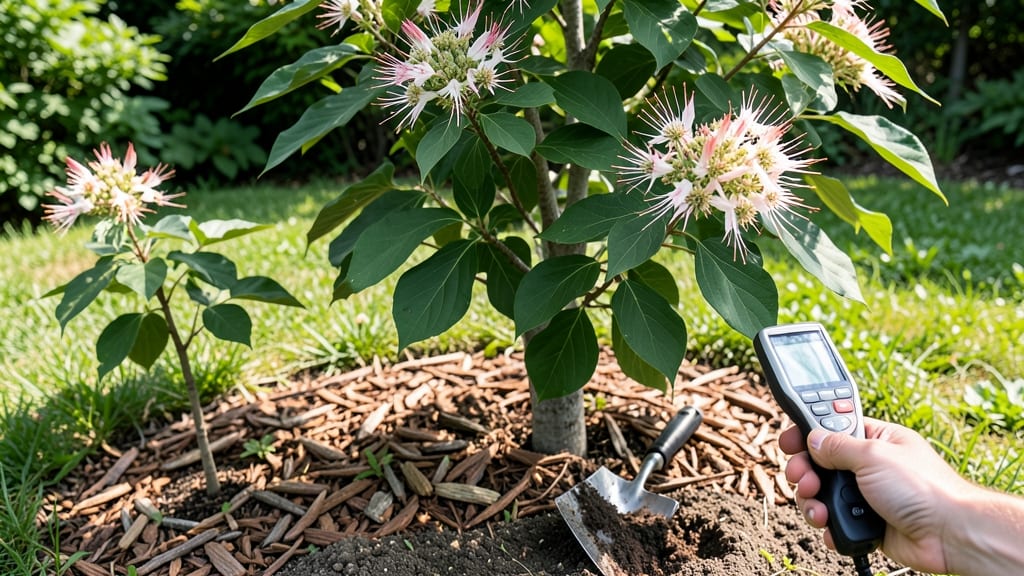
Ideal pH levels and soil composition for flowering dogwood trees
If your flowering dogwood isn’t blooming like it should, the issue might start below ground. These trees thrive in acidic to slightly acidic soil with a pH range of 5.0 to 6.5. When soil pH strays outside this range, nutrient uptake suffers, leading to fewer flowers and weaker growth.
I’ve seen dogwoods in my own garden struggle when planted in alkaline soil—yellowing leaves and sparse blooms were the first red flags.
The perfect soil for flowering dogwoods isn’t just about pH—it’s also about organic matter content and texture. These trees prefer well-draining, loamy soil rich in organic material, like compost or leaf mold.
Sandy soils drain too quickly, while clay soils can suffocate roots. The ideal mix is a balance: 40-60% mineral content with 30-40% organic matter and 10-20% air space for healthy root development.
Here’s a quick reference for the perfect soil environment:
| Soil Requirement | Ideal Specification | Notes |
|---|---|---|
| pH Level | 5.0–6.5 (acidic to slightly acidic) | Use sulfur to lower pH; lime to raise it. |
| Organic Matter | 30–40% | Add compost or well-rotted manure annually. |
| Texture | Loamy (40–60% minerals, 10–20% air) | Avoid heavy clay or pure sand. |
| Drainage | Well-draining (excess water drains within 24 hours) | Raise beds if natural soil is too dense. |
| Nutrient Balance | Balanced NPK (10-10-10) | Avoid high-nitrogen fertilizers; they promote leaves over flowers. |
Testing your soil’s pH is the first step to fixing any issues. You can use a home pH test kit (around $10) or send a sample to your local cooperative extension service for a detailed analysis. I recommend testing in early spring before new growth begins.
If your soil is too alkaline (pH above 7.0), add elemental sulfur (1/2 pound per 100 sq ft) and retest in 2–3 months. For acidic soil (pH below 5.0), mix in wood ash or crushed limestone sparingly.
Regional soil types can complicate things. In clay-heavy areas (common in the Midwest), mix in pine bark fines or sand to improve aeration. In sandy soils (like those in the Southeast), incorporate peat moss or coconut coir to retain moisture.
I’ve had success amending my clay soil garden with a 50/50 mix of native soil and composted pine bark—it transformed my dogwood’s growth within a season.
Don’t overlook the role of mycorrhizal fungi in dogwood soil. These beneficial microbes form symbiotic relationships with roots, helping absorb nutrients like phosphorus. You can boost their presence by adding compost tea or mycorrhizal inoculants at planting time.
I’ve noticed my dogwoods establish faster and bloom more vigorously after applying these amendments.
If your dogwood shows signs of chlorosis (yellow leaves), it’s often a sign of iron deficiency, common in alkaline soils. Use chelated iron supplements (like Ironite) in early spring to correct this.
For poor growth or small leaves, the issue might be compacted soil or insufficient organic matter. Aerate the root zone by gently forking the soil or adding leaf mold to improve structure.
One common mistake I see is over-amending soil. Dogwoods don’t need heavy fertilization—they’re light feeders. Too much nitrogen leads to leafy growth at the expense of flowers.
Instead, focus on slow-release organic matter, like well-aged compost or worm castings, applied in early spring and fall. This keeps nutrients available without overwhelming the tree.
For container-grown dogwoods, use a well-draining potting mix with 50% peat moss or coconut coir, 30% perlite or vermiculite, and 20% compost. Add a slow-release fertilizer pellet at planting, and repot every 2–3 years to refresh the soil.
I’ve grown dogwoods in containers for years using this mix, and they’ve bloomed just as well as their in-ground counterparts.
Remember, soil is a living ecosystem. The best approach is to test, amend, and monitor over time. Your flowering dogwood will reward you with vibrant blooms and lush foliage when its soil needs are met—just give it the right foundation to thrive. 🌸
Drainage solutions: how to fix common soil problems that stunt dogwood growth
Flowering dogwoods thrive when their roots stay moist but never soggy—poor drainage is the #1 reason these trees struggle to bloom. Heavy clay soils or compacted ground trap excess water, suffocating roots and inviting root rot.
The key is creating a well-aerated yet moisture-retentive environment that mimics their natural woodland habitat.
Start by testing your soil’s drainage with a simple percolation test. Dig a 12-inch hole, fill it with water, and time how long it takes to drain.
If water pools after 4 hours, your soil drains poorly. Dogwoods need water to drain within 2-3 hours—any slower signals a need for amendments.
⚠️ Warning: Waterlogged Roots = Death
Signs of poor drainage in dogwoods: yellowing leaves, wilting despite moist soil, and mushroom growth at the base. These trees cannot tolerate soggy roots—even for short periods. Act now by improving drainage before symptoms worsen.
Pro Tip: If your dogwood already shows stress, prune back affected branches to redirect energy to healthier roots while you fix the soil.
For clay-heavy soils, mix in 2-3 inches of organic matter like compost or aged manure into the top 12 inches of soil. This improves aeration while retaining moisture. In sandy soils, blend in peat moss or coconut coir to boost water-holding capacity without compacting.
Consider installing a French drain if your yard has natural low spots. Dig a trench near the tree’s drip line, fill it with gravel, and cover it with landscape fabric. This redirects excess water away from roots while keeping the soil moist.
For container-grown dogwoods, use pots with drainage holes and a mix of 50% potting soil + 30% perlite + 20% compost.
Mulch plays a critical role in regulating moisture. Apply a 3-inch layer of wood chips or shredded bark around the tree’s base, keeping it 6 inches away from the trunk. This mimics forest floor conditions, slowing evaporation while allowing excess water to seep into the soil gradually.
Finally, adjust your watering habits. Dogwoods need deep, infrequent watering—about 1-2 inches per week—rather than light daily sprinkles. Water at the base of the tree in the morning to reduce fungal risks.
If your soil stays waterlogged after rain, consider raising the tree’s planting bed by 6-12 inches to improve drainage naturally.