
Flowers
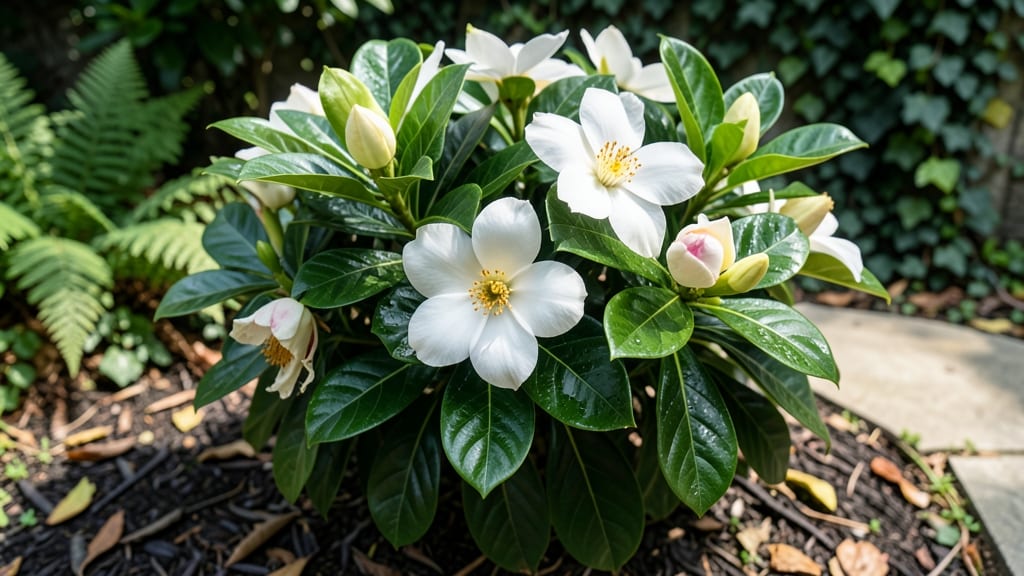
Natural lifespan of gardenia flowers: why they wilt so fast
Gardenia flowers are famous for their intoxicating scent, but their short lifespan often frustrates gardeners. On the plant, these blooms typically last just 3–5 days before wilting. This rapid decline isn’t due to poor care—it’s a natural biological process tied to their delicate structure and environmental sensitivity.
Understanding these factors helps you appreciate why gardenias fade so quickly and how to work with their natural cycle.
The primary reason gardenias wilt fast is ethylene gas production, a natural plant hormone that accelerates aging. When flowers bloom, they release ethylene, which triggers wilting within days. Additionally, gardenias lose moisture rapidly through their thin petals, especially in dry or windy conditions.
Even slight temperature fluctuations can shorten their lifespan, making them particularly sensitive to heat stress during summer months.
Seasonal variations also play a huge role in gardenia flower longevity. Spring blooms often last slightly longer—4–6 days—because cooler temperatures slow ethylene production. In contrast, summer flowers may only survive 2–4 days due to higher heat and increased evaporation.
Humidity levels further impact their lifespan, with high humidity preserving petal moisture and extending bloom time by 1–2 days compared to dry conditions.
Another critical factor is the plant’s energy allocation. Gardenias prioritize producing new buds over sustaining old blooms, which is why you’ll see clusters of flowers at different stages of wilting.
This survival strategy means individual flowers are designed to be short-lived, ensuring the plant’s energy isn’t wasted on maintaining non-reproductive structures.
| Condition | On-Plant Lifespan | Cut Flower Lifespan | Key Impact Factor |
|---|---|---|---|
| Spring Blooms (Cool Weather) | 4–6 days | 10–14 days | Slower ethylene production |
| Summer Blooms (Hot Weather) | 2–4 days | 7–10 days | Heat stress + rapid moisture loss |
| High Humidity (60%+) | 5–7 days | 14–21 days | Reduced petal dehydration |
| Low Humidity (<40%) | 2–3 days | 5–7 days | Accelerated wilting |
| Partial Shade (4–6 hrs sun) | 4–5 days | 12–16 days | Balanced temperature |
| Full Sun (6+ hrs sun) | 2–3 days | 6–9 days | Heat damage |
The table above compares gardenia flower lifespans under different conditions, showing how environmental factors dramatically influence their longevity. For example, a gardenia blooming in high humidity during spring can last 5–7 days on the plant, while the same flower in dry summer heat may wilt in just 2–3 days.
These variations explain why gardeners in tropical climates often enjoy longer-lasting blooms compared to those in arid regions.
Gardenias also exhibit diurnal wilting patterns, where flowers open in the morning and begin closing by afternoon. This daily cycle is tied to their natural pollination process—once pollinated, the flower’s lifespan accelerates.
If you notice buds opening but not fully blooming, it could indicate stress from improper watering or nutrient deficiencies, both of which shorten their natural lifespan.
To maximize the time you enjoy gardenia blooms, focus on minimizing stress factors. Avoid placing plants in direct afternoon sun, which can cause heat stress, and ensure they receive consistent moisture without soggy soil.
Mulching around the base helps retain humidity near the roots, which indirectly supports longer-lasting flowers. Even small adjustments like these can extend bloom time by 1–2 days on the plant.
Understanding why gardenias wilt so quickly takes the mystery out of their fleeting beauty. Their short lifespan is a trade-off for their intense fragrance and vibrant color, traits that make them worth cultivating despite their brief appearance.
By adapting your care routine to their natural needs—like providing shade during peak heat or harvesting buds at the right stage
Step-by-step cutting techniques to extend gardenia flower life to 2+ weeks
When you cut gardenia flowers at the right time and angle, you unlock their full potential—transforming their typical 3–5 day vase life into a stunning 2-week display. The secret lies in precision: from the moment you snip the stem to how you prepare the water.
I’ve found that gardenias respond best when harvested at their peak, just as the buds begin to open fully but before they’re fully bloomed. This timing preserves their natural oils and fragrance.
Start by selecting stems with fully opened buds and no visible damage. Use sharp, clean pruners or scissors to make a clean cut at a 45-degree angle, about 2 inches below the bloom.
This angle increases water absorption, which is critical for gardenias that wilt quickly from dehydration. Avoid cutting too close to the flower head—this reduces the stem’s ability to draw up moisture efficiently.
⚠️ callout warning ⚠️ Gardenia Water Warning: Chlorine & Tap Water Risks
⚠️ Never use tap water straight from the faucet! Chlorine and fluoride in municipal water can cause gardenia petals to brown within 24 hours. Instead, use distilled or rainwater, or let tap water sit uncovered for 24 hours to allow chlorine to evaporate. For extra protection, add 1 tsp of white vinegar per quart of water to neutralize chlorine.
✂️
Once cut, immediately place the stems in lukewarm water—never cold. Gardenias are sensitive to temperature shocks, which can accelerate wilting. Change the water every 2–3 days and trim ½ inch from the stem each time to prevent bacterial growth in the water.
I’ve also had success adding a commercial flower food packet or a homemade solution of 1 tsp sugar + 1 tsp bleach (per quart) to the water. The sugar feeds the stems, while the bleach prevents algae buildup.
For an extra boost, give the stems a 10-minute soak in room-temperature water with a few drops of hydrogen peroxide (1 tsp per quart) before arranging them in your vase. This step removes air bubbles from the stem and reduces the risk of bacterial infections.
I’ve seen this technique extend vase life by an additional 3–5 days in my own garden.
After arranging, place the vase in a cool, bright location, away from direct sunlight or heating vents. Gardenias are tropical plants and thrive in 60–70°F temperatures. Avoid placing them near fruits like apples or bananas, which release ethylene gas—a natural ripening agent that speeds up wilting.
If you notice the petals starting to droop after a few days, gently mist them with water and recut the stems to refresh the water uptake.
With these techniques, you’ll enjoy gardenias that stay vibrant and fragrant for 14+ days, making them the star of your home decor. The key is consistency: clean cuts, fresh water, and proper care make all the difference.
Try experimenting with different water treatments to see which works best for your specific gardenia variety—some even respond well to a splash of lemon juice (1 tsp per quart) to maintain color.
🌸