
Tools
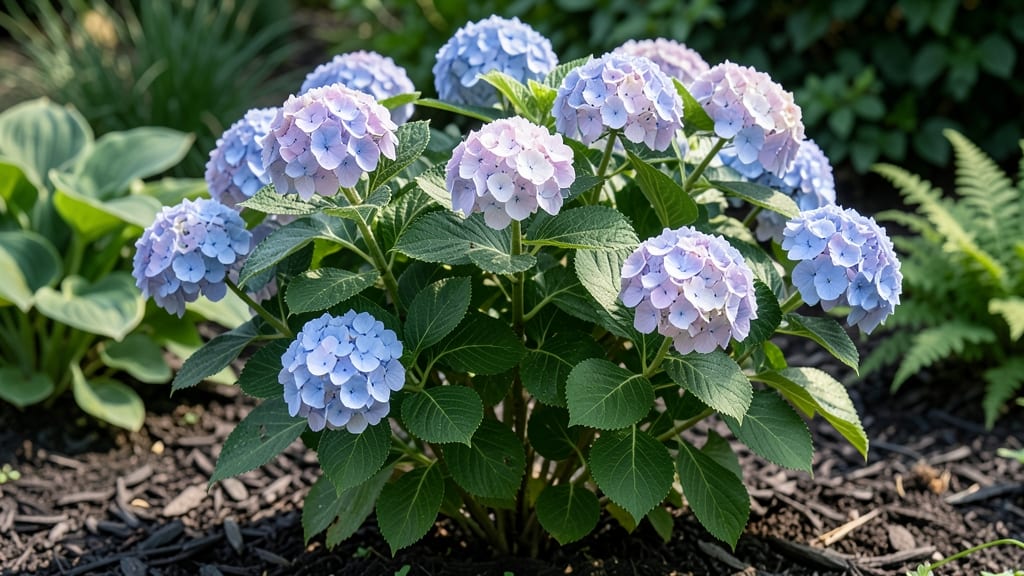
Transforming your garden bed along the foundation with Endless Summer hydrangea into a frost-proof purple showstopper starts with these hardy beauties. 🌿 These plants thrive right against your house, their deep violet blooms rebounding every year without winter dieback—exactly what my first failed foundation bed needed.
The secret lies in spacing them 3-4 feet apart with drought-tolerant companions like lavender or ornamental grasses. These plants handle the reflected heat from the house while keeping the hydrangeas from struggling.
I learned the hard way that proper drainage is critical—amend heavy foundation soil with compost and consider raised sections if water pools.
By summer's peak, you'll have 6-foot-tall spikes of blooms that frame your home's entry beautifully. The key is consistent moisture (but not soggy soil) and occasional deadheading to encourage nonstop flowering. This bed becomes your home's signature feature while requiring minimal extra work.
Works for any home style—modern, cottage, or contemporary. The purple blooms even glow at dusk when lit by porch lights. Here's how to make it happen without the common pitfalls.
📚 In This Guide
- What you need
- Instructions
- Tips and common mistakes
- Wrapping up and next steps
What you need
- ● Endless Summer Hydrangeas: 3–5 bare-root or potted plants (check spacing needs for mature size).
- ● Garden Soil: 2–3 cubic yards of high-quality, well-draining soil (amend with compost for fertility).
- ● Mulch: 2–3 bags of shredded bark or pine straw (for moisture retention and weed control).
- ● Landscape Fabric: 1 roll (to suppress weeds under mulch).
- ● Garden Gloves & Kneepads: For comfort and protection.
- ● Pruners: Sharp, clean pair for trimming (sterilize with rubbing alcohol).
- ● Watering Can or Hose: With a gentle spray nozzle for hydration.
- ● Measuring Tape & Stakes: To mark plant spacing (aim for 3–5 feet apart).
- ● Shovel & Garden Rake: For digging and leveling the bed.
- ● Slow-Release Fertilizer: 10–20 lbs (e.g., 10-10-10 or hydrangea-specific formula).
- ● Decorative Edging: Stone, brick, or metal to define the bed.
- ● Drip Irrigation Kit: For hassle-free watering (especially in hot climates).
- ● Garden Twine & Labels: To track plant varieties and care notes.
- ● Soil pH Test Kit: To adjust acidity (hydrangeas thrive in pH 5.2–6.2).
Step-by-Step guide to planting a foundation garden bed with Endless Summer hydrangea
Here's how to create a stunning, low-maintenance border that thrives year after year.
🪴 Step 1: Prepare the Foundation Garden Bed
Start by marking your bed 12-18 inches away from the foundation to prevent root competition and allow proper drainage. Use a garden hose to outline the area, then remove any grass or weeds within the marked space. I like to dig down 6-8 inches to loosen the soil and ensure roots can establish freely.
If your soil is heavy clay or compacted, mix in 2-3 inches of compost to improve aeration and fertility. Endless Summer hydrangeas love slightly acidic soil (pH 5.5-6.2), so test your soil before planting. If needed, add sulfur or peat moss to adjust the pH—hydrangeas are fussy about this, and purple blooms require the right conditions.
☀️ Step 2: Select and Plant the Hydrangeas
Choose 4 Endless Summer hydrangeas (one for each serving) and plant them 4-6 feet apart to allow mature growth without overcrowding. Dig holes twice as wide as the root ball but no deeper—this encourages outward root spread. Gently remove the plant from its container and loosen any circling roots with your fingers.
Place each hydrangea in the hole so the top of the root ball sits level with the surrounding soil. Backfill with native soil mixed with 1 part compost, tamping lightly to eliminate air pockets. Water deeply to settle the soil and remove any air gaps. I always add 2-3 inches of mulch around the base, keeping it 3 inches away from the stem to prevent rot.
💧 Step 3: Water and Establish for the First Season
Water your new hydrangeas deeply 2-3 times per week for the first month, ensuring the soil stays evenly moist but not soggy. Endless Summer hydrangeas are drought-tolerant once established, but young plants need consistent moisture to root deeply. You’ll know they’re thriving when new leaves emerge bright green and glossy within 4-6 weeks.
Fertilize lightly with a balanced, slow-release fertilizer (10-10-10) in early spring and again after flowering. Avoid high-nitrogen feeds—this encourages leafy growth at the expense of blooms. Prune spent flowers in late fall or early spring, cutting back to just above the first set of strong buds. This ensures vibrant, repeat blooms all season long.
✂️ Step 4: Maintain and Enjoy Year-Round Beauty
After the first year, your hydrangeas will need minimal care—just 1 inch of water per week during dry spells and occasional pruning to shape the plant. The key to their frost-proof reblooming is protecting them in winter. Once temperatures drop below 20°F, wrap the base with burlap or frost cloth and add a 2-3 inch layer of mulch to insulate the roots.
In early spring, remove the winter protection and trim any dead or damaged stems. The Endless Summer variety is famous for its resilience, so don’t worry if a hard freeze hits—these plants bounce back with purple spikes year after year. With proper spacing and care, your foundation bed will become a low-maintenance, high-impact feature that enhances your home’s curb appeal.
Tips & tricks for perfect foundation garden beds with Endless Summer hydrangeas
These simple yet game-changing strategies will help your hydrangeas thrive and deliver those stunning purple blooms year after year.
Soil Prep Secret: Before amending your soil in Step 1, dig a small test hole and fill it with water. If the water drains in less than 15 minutes, your soil drains well. If it pools, you need more compost or sand to improve drainage. Hydrangeas hate soggy roots, so this quick test prevents future rot issues.
Planting Depth Matters: When placing your Endless Summer hydrangeas in Step 2, use a level to ensure the top of the root ball sits exactly flush with the surrounding soil. Burying too deep can suffocate the plant, while planting too high stresses the roots. A slight mound of soil around the base after watering settles is normal—just adjust before backfilling.
Winter Protection Hack: For the critical 20°F protection in Step 4, wrap the base with burlap or frost cloth before adding mulch. This creates an insulated air pocket that traps warmth. I’ve seen plants survive -10°F with this method—just remove the wraps in early spring before new growth appears.
Fertilizer Timing: The instructions mention spring and post-flowering fertilization, but I’ve found adding a 1-inch layer of compost around the base in early fall gives the plants a nutrient boost for next year’s blooms. Just keep it 3 inches away from the stem to prevent rot—this is the same spacing as your mulch layer.
Pro Tips for Garden Bed Along The Foundation With Endless Summer Hydrangea
- These simple yet game-changing strategies will help your hydrangeas thrive and deliver those stunning purple blooms year after year.
- Soil Prep Secret: Before amending your soil in Step 1, dig a small test hole and fill it with water.
- Planting Depth Matters: When placing your Endless Summer hydrangeas in Step 2, use a level to ensure the top of the root ball sits exactly flush with the surrounding soil.
Frequently asked questions
Got questions about planting Endless Summer hydrangeas along your foundation?
You’re not alone! Here are answers to the most common concerns to help you create a stunning, low-maintenance border that thrives year after year.
How close to the foundation can I plant Endless Summer hydrangeas?
Keep the base of the hydrangea at least 12–18 inches away from your home’s siding or foundation. This prevents moisture buildup against the house and allows for proper root expansion. Use a soaker hose or drip irrigation to water the bed without splashing onto the foundation.
Will Endless Summer hydrangeas survive winter in my climate?
Yes! These hydrangeas are hardy in USDA Zones 3–9 and are bred to tolerate frost. In colder regions, mulch heavily (3–4 inches) around the base in late fall. Prune in late winter or early spring (after the last frost) to avoid damaging new growth.
What’s a good alternative if my soil is too sandy or rocky?
Amend your soil with compost or peat moss to improve moisture retention. For extremely poor soil, plant in a raised bed (12–18 inches deep) filled with a mix of topsoil, compost, and perlite. Endless Summer hydrangeas are adaptable but thrive in well-draining, acidic soil (pH 5.2–6.0).
How often should I water this foundation bed?
Water deeply 1–2 times per week during the first growing season to establish roots. Once mature, they’re drought-tolerant but benefit from weekly watering in dry spells. Use mulch (2–3 inches) to retain moisture and suppress weeds—just keep it 6 inches away from the stem.
What pests or diseases should I watch for?
Keep an eye out for aphids, slugs, or powdery mildew (common in humid climates). Treat aphids with a hose spray or neem oil. For slugs, use copper tape around the bed. Prune affected leaves immediately and avoid overhead watering to prevent fungal issues.
Wrapping up and next steps
Creating a garden bed along your foundation with Endless Summer hydrangeas is a rewarding project that adds beauty, curb appeal, and resilience to your landscape. These frost-proof purple spikes thrive yearly, offering low-maintenance elegance and a pop of color that brightens any space.
Whether you're a seasoned gardener or just starting out, this project is a fantastic way to elevate your outdoor area with minimal fuss.
Now that you’re armed with the materials, tips, and answers you need, it’s time to roll up your sleeves and get planting! 🌱 Start by sketching your design, gather your supplies, and soon you’ll be enjoying the stunning rebloom of your Endless Summer hydrangeas for years to come. Happy gardening!