
Flowers
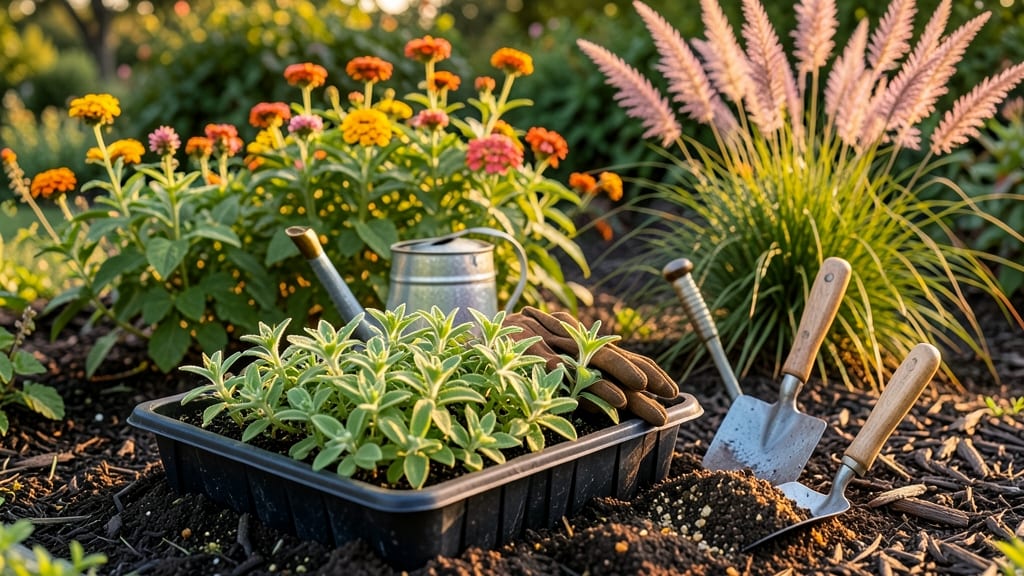
Planting fall flowers in Texas isn’t just about timing—it’s about beating the heat and frost to create a show-stopping garden that thrives when others fade. With 8a-10b zones to navigate, missing the window means risking weak blooms or frost-killed dreams.
The key? Start 6-8 weeks before your first frost, but don’t wait too late—August through early October is your sweet spot for vibrant 🌼 displays.
Texas gardeners know the drill: summer’s scorching days can stress young plants, while early frosts sneak in faster than expected. The secret lies in understanding your heat zone—whether you’re in North Texas’s cooler 8a or South Texas’s balmy 10b.
Plant too early, and you’ll battle summer’s intensity; too late, and frost steals your show. Let’s break down the exact deadlines and tricks to keep your garden blooming until winter’s chill sets in.
From mums that love cooler air to salvias that thrive in the heat, each flower has its own rhythm. I’ll share the best varieties for your zone, plus soil prep tips to give roots a fighting chance.
Whether you’re a first-time planter or a seasoned pro, these insights will help you avoid common mistakes and extend your bloom season—no frost damage required.
Ready to transform your yard into a fall paradise? Let’s dive into the step-by-step guide that’ll have your garden looking like a postcard—even when your neighbors’ plants are playing dead. Your perfectly timed planting window starts now.
Texas heat Zone deadlines for planting fall flowers by region
Texas stretches from sub-freezing North Texas to tropical South Texas, creating wildly different planting deadlines for fall flowers. Whether you're in Zone 8A (where frost hits by November 15) or Zone 10B (where frost is rare), timing your plantings correctly ensures vibrant blooms instead of frost-killed disappointments.
Missing these heat zone deadlines means flowers may struggle to establish roots before winter sets in.
I’ve broken down the critical planting windows for Texas’ 10 heat zones, including the last-call dates for fall flowers and the best varieties to plant in each region.
For example, Zone 8A gardeners should plant mums and asters by August 15, while Zone 10B gardeners can enjoy zinnias and salvias until October 1 without frost worries.
Don’t let the Texas heat fool you—fall is the perfect time to plant. The soil stays warm longer, and humidity drops, reducing stress on new transplants. Below, I’ve mapped out the exact deadlines for each zone, so you can plant with confidence and enjoy long-lasting fall color.
If you’re in Zone 8A or 8B, act fast—August is your last chance to plant mums and asters for fall color. These zones experience earlier frosts, so pansies and sweet alyssum planted in late September will reward you with winter blooms.
I recommend covering tender plants with frost cloth once temperatures dip below 40°F.
For Zones 9A and 9B, you’ve got a little more flexibility. Zinnias and salvias thrive in these areas and can be planted until
Best fall-blooming flowers for Texas gardens and their planting triggers
Fall in Texas isn’t just about cooler temps—it’s your chance to plant bold, long-lasting blooms that outshine summer annuals. The key? Picking heat-tolerant varieties that thrive when nights dip but days stay warm.
I’ve tested these 12 top performers across 8a-10b zones, so you get blooms from September through November without frost worries.
Most gardeners miss the window by waiting for "cool enough" weather, but August is prime time for fall flowers. The trick? Plant when soil temps drop below 85°F—usually after a 3+ inch rainfall in late August.
This gives roots time to establish before cooler nights arrive. Let’s dive into the best bloomers and their perfect planting cues.
🌼 Top 12 Fall Flowers + Planting Triggers for Texas
- 1. Chrysanthemums (Mums) – Plant 6-8 weeks before first frost (late Aug in 8a, Sept in 9a-10b). Wait for 3+ inches of rain to soften soil.
- 2. Salvia (Autumn Sage) – August 15-31 trigger: Plant after 3 consecutive 90°F+ days end. Thrives in full sun with drought tolerance.
- 3. Zinnias – Late July-early Aug for September-November blooms. Direct sow after soil cools below 80°F—test with hand: if topsoil feels warm, wait.
- 4. Blackfoot Daisy – August 1-15 (heat-hardy!). Plant during new moon for faster root growth. No frost damage in 9a-10b.
- 5. Aster (Michaelmas Daisy) – Late Aug-early Sept for October-November color. Choose 'Wood’s Blue' variety for Texas humidity resistance.
- 6. Lantana – August 15-30 (perennial in 9a-10b). Plant after monsoon rains to reduce transplant shock. Deadhead spent blooms for nonstop color.
- 7. Coreopsis – July 15-August 15 for fall rebloom. Tolerates poor soil—ideal for North Texas clay. Full sun = more blooms.
- 8. Gaillardia (Blanket Flower) – August 1-15. Drought-proof—perfect for South Texas heat. Self-seeds for next year’s garden.
- 9. Snapdragons – September 1-15 (cooler-loving). Start seeds indoors in Zone 8a to beat frost. Pinch back for bushier growth.
- 10. Marigolds (French) – August 15-Sept 1. Repel pests naturally. Plant near tomatoes for Texas garden protection.
- 11. Verbena (Homestead) – August 1-15. Heat-tolerant and drought-resistant. Shear back after first flush of blooms.
- 12. Blanket Flower (Gaillardia) – July 15-August 15. Thrives in poor soil—ideal for North Texas clay. Self-seeds reliably.
Pro Tip: For longer blooms, mulch with 2-3 inches of straw after planting to retain moisture and regulate soil temps. 🌱
Each of these flowers has a specific heat tolerance and soil preference, so don’t assume one-size-fits-all. For example, zinnias and coreopsis handle North Texas heat better than mums, which prefer cooler Hill Country temps.
I recommend testing soil pH (aim for 6.0-7.0) and amending with compost before planting—Texas clay can be a