
Size
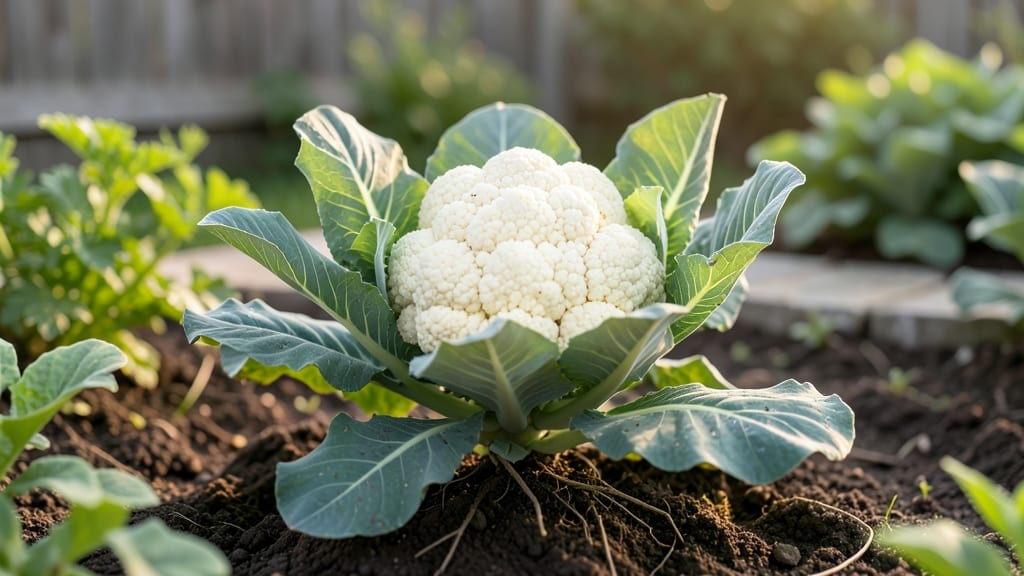
Growing your own 🥬 cauliflower is rewarding, but how long does cauliflower take to grow is a question that determines your harvest success. Timing is everything—because if you're counting down the days until harvest, you’ll want to know exactly when to expect those plump, ready-to-eat heads.
The answer? Most varieties take 70 to 100 days from transplanting to harvest, though cooler weather in zones like 6a can stretch that timeline. Whether you’re a first-time gardener or a seasoned green thumb, understanding these stages helps you plan better and avoid common pitfalls.
From seed to table, we’ll break down the growth phases, share tips to speed up your crop, and teach you how to spot the perfect moment to harvest. No more guessing—just a foolproof timeline for your garden.
Ready to turn those seeds into a harvest-worthy feast? Let’s get growing.


Cauliflower growth timeline: stages from seed to harvest
Cauliflower grows through four distinct stages from seed to harvest, typically taking 70 to 100 days under ideal conditions. Understanding each phase helps you anticipate milestones and troubleshoot delays.
Let’s break down what to expect at each growth stage, including the days to maturity and key environmental factors that influence speed.
First, germination occurs within 5 to 10 days after sowing, assuming consistent moisture and temperatures between 60°F and 75°F. This stage is critical because slow germination can delay the entire growth cycle. If your seeds take longer than two weeks to sprout, check soil warmth and moisture levels.
Next comes the seedling stage, lasting about 3 to 4 weeks. During this time, seedlings develop their first true leaves and establish roots. Transplanting typically happens when seedlings have 4 to 6 leaves and are 3 to 4 inches tall.
Hardening off seedlings for 7 to 10 days before transplanting reduces shock and promotes faster recovery.
After transplanting, the vegetative growth stage begins, where plants focus on leaf and stem development. This phase spans 4 to 6 weeks, during which you’ll notice rapid height increases. Adequate nitrogen-rich fertilizer supports lush foliage, but avoid over-fertilizing, as it can delay head formation.
The most exciting phase is head formation, which starts around 60 days after transplanting. Here, the plant shifts energy from leaves to the curd (the edible head). This stage lasts 2 to 3 weeks, and you’ll see the head swell visibly.
Maintain consistent watering and temperature control—heat waves above 80°F can cause heads to bolt or become bitter.
Finally, maturity and harvest occur between 70 and 100 days, depending on the variety. The head should be firm, compact, and fully colored (white, purple, or orange). Harvesting too late leads to loose curds or bitter flavors, while harvesting too early results in undersized heads. Timing is everything!
Environmental factors like temperature, sunlight, and soil quality directly impact how quickly cauliflower matures. For example, cooler temperatures (55°F–70°F) speed up head formation, while heat stress can stall growth or cause bolting. Similarly, poor soil drainage or nutrient deficiencies extend the timeline by weakening the plant.
To accelerate growth, ensure your cauliflower receives 6–8 hours of sunlight daily and consistent moisture. Mulching helps retain soil moisture and regulate temperature, while balanced fertilizer (like 5-10-10) supports steady development. Avoid overcrowding plants, as competition for resources slows maturity.
If your cauliflower takes longer than 100 days to harvest, reassess conditions. Common culprits include inadequate sunlight, nutrient deficiencies, or pests/diseases like cabbage worms. Addressing these issues early can salvage your crop and bring it to harvest in time.
With patience and the right conditions, you’ll enjoy homegrown cauliflower in just two to three months. The key is monitoring each stage closely and adjusting care as needed. Happy growing! 🌱
Factors that speed up or slow down cauliflower growth
Understanding cauliflower growth speed depends on mastering key factors that either accelerate or delay its 70-100 day harvest window. While some variables are out of your control—like weather patterns—others, such as soil quality and watering techniques, can significantly impact your timeline.
For example, cool temperatures (50-75°F) are ideal for cauliflower, but heatwaves can stretch growth by weeks or even cause bolting.
Your sunlight exposure also plays a critical role. Cauliflower thrives with 6-8 hours of full sun daily, but too much direct heat in summer can stress plants, slowing head formation.
Meanwhile, rich, well-draining soil with a pH of 6.0-7.0 ensures steady nutrient uptake, which directly affects growth speed. Without proper soil prep, your cauliflower might take 10-15 extra days to mature.
Factors Affecting Cauliflower Growth Speed
✅ Speed Up Growth
- Cool temps (50-75°F): Ideal for rapid head formation
- 6-8 hrs sun/day: Balances growth without heat stress
- Rich compost soil: Boosts nutrient absorption
- Morning watering: Prevents fungal issues and wilting
- Balanced fertilizer (5-10-10): Encourages steady growth
❌ Slow Down Growth
- Heatwaves (>85°F): Causes bolting and stunted heads
- Poor soil drainage: Roots struggle to absorb nutrients
- Inconsistent watering: Leads to stress and bitterness
- Overcrowding: Competes for sunlight and nutrients
- Late planting: Extends exposure to summer heat
Pro Tip: Mulch with straw to retain moisture and regulate soil temperature for faster growth.
Your watering routine is another critical lever. Cauliflower needs 1-2 inches of water weekly, but uneven moisture—like drought followed by heavy watering—can cause cracked heads or slow growth. I’ve found that drip irrigation in the morning keeps plants consistently hydrated without wetting foliage, which reduces fungal risks.
Even a slight watering inconsistency can add 5-10 days to your harvest timeline.
Choosing the right cauliflower variety also impacts speed. Early-maturing types like ‘Snowball Y Improved’ (70 days) or ‘Purple of Sicily’ (80 days) outpace slower varieties by 10-15 days.
If you’re in a shorter growing season, like Zone 6a, opt for these faster types to ensure a harvest before frost. For example, planting ‘Snowball’ in March (4-6 weeks before last frost) gives you a June harvest, while late April plantings risk summer heat delays.
Finally, spacing and thinning directly affect growth speed. Overcrowded plants compete for resources, leading to smaller, slower-maturing heads. Aim for 18-24 inches between plants to ensure proper airflow and sunlight penetration.
I once thinned my cauliflower patch from 12 to 24 inches apart, and the heads matured 2 weeks faster with fewer pests. This small adjustment can make the difference between a timely harvest and a disappointing wait.
By fine-tuning these factors—temperature control, soil health, watering consistency, and plant spacing—you can shave days off your cauliflower’s growth timeline or avoid delays entirely. The key is consistency and observation, so keep an eye on your plants and adjust as needed.
With the right conditions, you’ll be enjoying homegrown cauliflower in no time! 🥬