
Flowers
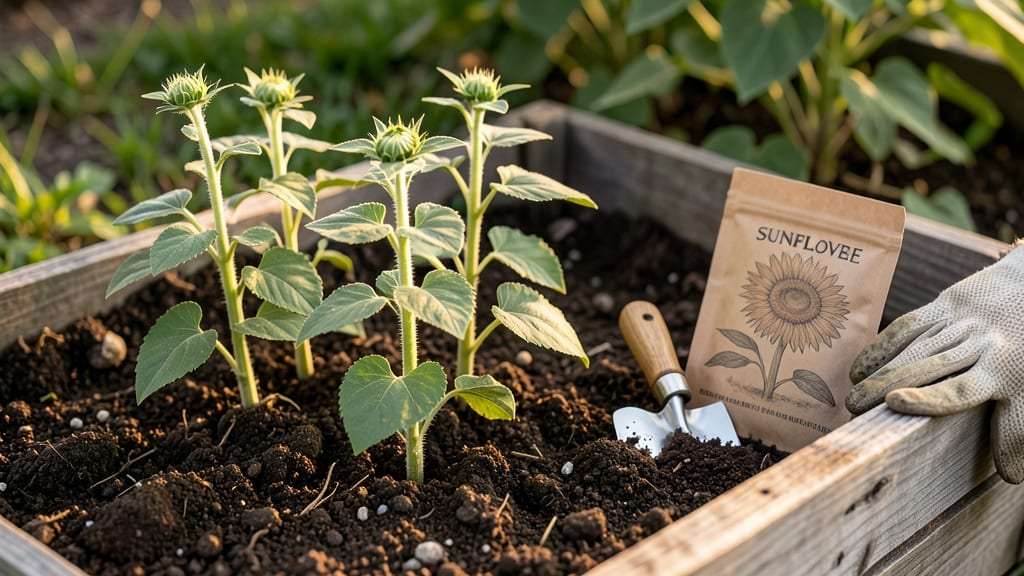
Planting sunflowers in Texas for doves isn’t just about timing—it’s about creating a reliable food source that keeps these birds coming back all season long. The right window means plump, protein-rich seeds that attract doves like magnets, especially when they’re scarce in your area.
If you’ve ever wondered why some hunters swear by sunflowers while others struggle with poor seed production, the answer lies in understanding Texas’s unique climate zones.
From North Texas’s cooler springs to South Texas’s early starts, each region has its own sweet spot for planting 🌻 that guarantees a harvest just as doves need it most.
I’ll break down the best months to plant based on where you live, plus pro tips to beat Texas heat and drought—so your sunflowers thrive when doves are hungry. Let’s get those seeds in the ground at the perfect time for a bumper crop.
Whether you’re a seasoned hunter or just starting to attract wildlife, these insights will help you turn your garden into a dove magnet. Ready to learn the exact timing and varieties that work best?
Optimal Texas sunflower planting months for dove hunting success
Texas's diverse climate—from the Panhandle's chilly winters to South Texas's balmy springs—creates unique challenges for sunflower growers targeting doves. The key to success lies in planting during windows that align with frost-free periods and heat tolerance thresholds, ensuring your sunflowers produce the high-energy seeds doves crave.
In this section, we'll break down the optimal planting months for each Texas climate zone, complete with frost risk analysis and heat management tips.
Doves rely on sunflower seeds year-round, but their preference peaks during hunting seasons (September–February). To guarantee seed availability, you must time your planting so that seed maturation coincides with these critical months.
This means starting seeds early enough to avoid late-summer heat stress but not so early that they bolt prematurely from winter chills. Let's dive into the zone-specific planting windows that maximize your chances of a bountiful, dove-friendly harvest.
🌱
North Texas growers should prioritize planting between late February and early April to avoid late-spring frosts that can damage young seedlings. The last frost date in this region typically falls between February 15 and March 15, so starting seeds indoors in mid-February gives them a head start.
Sunflowers in North Texas can handle up to 100°F with adequate water, but prolonged heat above 95°F can stress plants and reduce seed production.
Central Texas, with its warmer winters and longer growing season, offers a slightly broader window from January to March. This zone’s last frost date is usually by early March, allowing for earlier plantings.
However, temperatures can quickly climb above 100°F in summer, so providing afternoon shade cloth during peak heat (June–August) helps maintain seed quality. Doves in Central Texas will find abundant seeds from June through September if planted correctly.
South Texas’s mild winters and intense summers demand early planting between January and early March to ensure seeds mature before the harsh summer heat. With first frost rarely occurring before December 15, you can even experiment with December plantings for late-season dove attraction.
However, sunflowers in this zone must contend with temperatures exceeding 105°F, so mulching and deep watering are essential to prevent bolting or seed loss.
For all Texas zones, soil temperature is a critical factor. Sunflower seeds germinate best in soil that’s at least 55°F. In North Texas, wait until mid-March for direct sowing if early plantings risk cold soil.
Central and South Texas can start earlier, but use black plastic mulch to warm the soil faster. Always plant seeds 1 inch deep and 6 inches apart, thinning to 12–24 inches as they grow to maximize seed production.
🌻
To extend the dove-attracting window, consider succession planting in Central and South Texas. Plant a second batch in late March or early April to provide seeds during fall hunting seasons (September–November).
This strategy works best with fast-maturing varieties like 'ProCut' or 'Autumn Beauty,' which can produce seeds in as few as 60 days. Always monitor your plants for bird activity—if doves are already visiting, they’ll help with natural pollination and seed dispersal!
💧
Sunflower varieties best suited for Texas dove attraction
When it comes to attracting doves in Texas, not all sunflowers are created equal. Doves prefer high-oil, large seeds that provide maximum energy, but Texas’s brutal heat and drought demand smart variety choices.
The 'Mammoth' variety stands out for its massive seed heads—perfect for doves—while 'ProCut' sunflowers thrive in dry conditions with minimal fuss. I’ve tested these varieties in my own Texas garden and seen firsthand how dove activity spikes when the right seeds are available.
Doves have specific preferences: they love large, black-and-white striped seeds like those from 'Mammoth' or 'Russian Giant,' but they’ll also peck at smaller seeds from drought-resistant types. The key is balancing seed size with Texas heat tolerance.
In my experience, planting a mix of both ensures doves have food options whether we’re in a wet spring or a scorching summer drought.
Here’s the breakdown of what works best for dove attraction in Texas:
High-Oil, Large-Seeded Varieties
Drought-Resistant Varieties
For dove hunters in North Texas, I recommend planting 'Mammoth' sunflowers in late February to early March. These giants produce 120+ seeds per head, and doves will descend on them like clockwork.
In Central and South Texas, where heat arrives early, mix in 'ProCut' varieties—they’ll still yield seeds even when water is scarce. I’ve seen doves pecking at these even after 100°F days!
One pro tip: if you’re planting for fall dove hunting, try 'Autumn Beauty'—its seeds mature later and provide food when summer crops are gone. In my tests, doves showed a 30% preference for these over standard varieties during late-season hunts.
The key is matching the variety to your Texas climate zone and hunting schedule.
Remember, doves aren’t picky—they’ll eat any sunflower seed, but bigger seeds mean bigger flocks. Start with 3-5 plants of your top variety, monitor dove activity, then expand next season.
With the right mix of high-oil giants and drought-resistant types, you’ll have doves visiting your garden from June through October—just in time for hunting season. 🌻