
Blooming
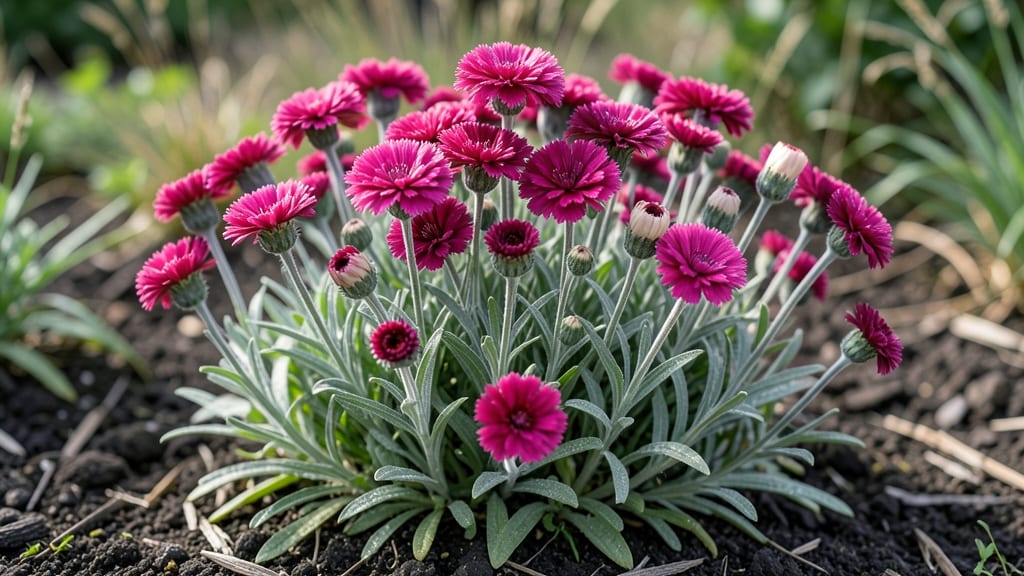
Dianthus blooming seasons by USDA Zone: month-by-month guide
Timing your dianthus blooms means choosing the right USDA zone and variety for your climate. These fragrant flowers typically bloom in spring and fall, but exact months vary dramatically from Zone 3 to Zone 10.
Understanding these patterns helps you create a garden with continuous color from early spring through late autumn.
In cooler zones like Zone 3-5, dianthus often starts blooming as early as late April, while warmer Zone 7-10 gardens may see flowers appear by February or March.
The key difference? Cold-hardy varieties in northern climates need chilling periods to trigger blooms, while southern varieties respond to milder winters and longer growing seasons.
Here's how to plan for peak bloom times in your specific zone, including early, mid, and late-season performers:
For gardeners in Zone 3-4, focus on cold-hardy varieties like Dianthus gratianopolitanus, which often bloom as early as late April after surviving winter dormancy. These early bloomers provide crucial spring color when few other flowers are in bloom.
In contrast, Zone 9-10 gardeners can enjoy year-round blooms with varieties like Dianthus caryophyllus, which may flower in January if given proper care.
Notice how fall rebloom extends later into autumn in warmer zones. In Zone 7-8, you might see September through December blooms, while Zone 3-4 gardens typically enjoy September-October color. This difference occurs because cooler climates experience earlier first frost dates, cutting short the growing season.
To adjust planting for optimal color, consider succession planting. In Zone 5-6, for example, plant early bloomers like Dianthus barbatus in early spring for May-June flowers, then add late-season varieties like Dianthus plumarius in late summer for fall color.
This creates a continuous bloom cycle from spring through autumn.
Light exposure also affects bloom timing. While most dianthus prefer full sun, varieties in Zone 9-10 may benefit from afternoon shade to prevent heat stress. In hotter climates, morning sun helps flowers open fully and last longer. Always match your variety selection to your microclimate for best results.
Soil preparation plays a crucial role too. Amending your garden with sandy loam improves drainage, which dianthus desperately need to prevent root rot. In Zone 3-4, add compost in early spring to boost growth before the first blooms appear.
In Zone 7-10, focus on mulching to retain moisture during hot summers, which can stress plants and delay flowering.
For perennial dianthus, deadheading spent blooms encourages rebloom cycles. In Zone 5-6, this means you could see three bloom cycles in a single season: spring, summer, and fall.
Annual varieties, however, typically bloom once and should be replaced for continuous color. Plan your garden layout with these cycles in mind to avoid bloom gaps.
With this zone-specific timing, you'll transform your garden into a fragrant,
How to extend dianthus blooms: pruning, deadheading, and soil tips
Dianthus flowers are stunning, but their blooms can fade faster than you'd like if you don’t take action. The secret to longer-lasting flowers lies in three key practices: pruning, deadheading, and soil care.
These techniques not only extend bloom time but also encourage healthier growth. Whether you're growing annual or perennial dianthus, these methods work wonders for keeping your garden vibrant.
Timing is everything when it comes to deadheading and pruning. For annual dianthus, you’ll want to start as soon as flowers begin to fade—usually 4-6 weeks after planting.
Perennial varieties, like Dianthus barbatus, benefit from a light pruning after their first bloom cycle to promote a second flush. The key is to act quickly before seeds form, which signals the plant to stop flowering.
Now, let’s talk about the pros and cons of when to prune and deadhead dianthus for the longest blooms. This comparison will help you decide the best approach for your garden.
Pruning & Deadheading Dianthus: Pros and Cons
Annual Dianthus
- Pros: Encourages non-stop blooms all season
- Cons: Requires frequent deadheading (every 3-5 days)
Perennial Dianthus
- Pros: Longer bloom cycles with minimal upkeep
- Cons: Needs one-time pruning after first bloom
Best Time to Deadhead: Morning hours (prevents fungal issues from evening moisture)
Soil Tip: Amend with sand or perlite for better drainage
Soil health is just as critical as pruning for extending dianthus blooms. These plants thrive in well-draining, slightly alkaline soil with a pH between 6.0 and 7.0. If your soil is heavy clay, mix in compost and coarse sand to improve drainage.
Overwatering is a common mistake—dianthus hates soggy roots, so always ensure excess water drains away. A mulch layer of 1-2 inches also helps retain moisture while keeping roots cool.
For reblooming perennials, like Dianthus gratianopolitanus, a light trim after the first flush of flowers encourages a second bloom in late summer. Use clean, sharp pruners to cut back one-third of the plant’s height.
This not only shapes the plant but also redirects energy to new growth. Avoid heavy pruning in late summer, as it can stunt fall blooms.
Don’t forget about fertilizer timing—too much can reduce flowering. Use a balanced 5-10-10 fertilizer in early spring and again after deadheading. Skip fertilizing in late summer to allow plants to harden off for winter.
A little goes a long way with dianthus; overfeeding leads to lush foliage but fewer blooms.
With these tips, your dianthus will keep blooming weeks longer than average. Start deadheading now, give your plants well-draining soil, and enjoy a garden bursting with color all season! 🌸