
Blooming
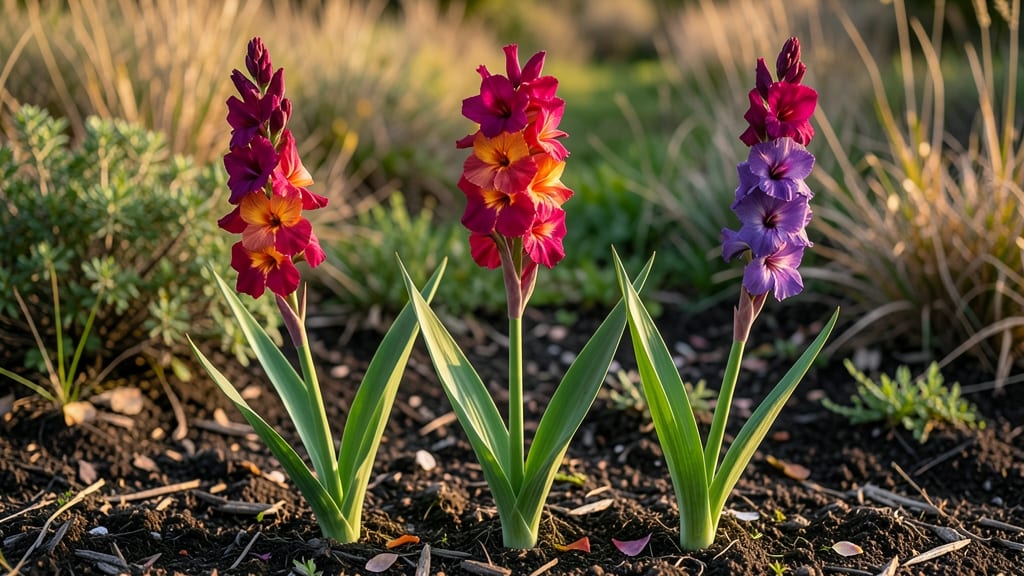
Timing your gladiolus flowering time ensures showstopping summer blooms—but get it wrong, and you might end up with flops instead of flowers. These striking 🌸 beauties rely on precise planting windows to deliver their vibrant displays from July through September.
If you're in USDA Zone 6a or warmer, the April-May window is your golden opportunity to plant corms after the last frost. Too early, and they’ll rot; too late, and you’ll miss peak blooms entirely. The key lies in understanding how your local climate and variety affect flowering time.
I’ll walk you through exactly when to plant for your zone, plus pro tips to extend that bloom season—because nobody wants a one-week show when you could have months of color. Ready to transform your garden into a summer spectacle?
From soil prep to staggered planting, we’ll cover everything you need to know to turn those dormant corms into a lush, long-lasting display that’ll have your neighbors asking for secrets. Let’s get started!
Gladiolus flowering timeline by USDA zone: when to plant for summer blooms
Timing is everything when growing gladiolus flowers—these showstoppers need precise planting to deliver mid-summer to fall blooms. In warmer zones, you can plant as early as March, while colder regions must wait until late May to avoid frost damage.
Understanding your USDA zone ensures your corms emerge when soil temperatures reach their ideal 60-65°F range for root growth.
Gladiolus corms are frost-sensitive but thrive with 120-150 frost-free days to complete their growth cycle. If planted too early, they’ll rot in cold soil; too late, and you’ll miss peak summer color.
The key is aligning your planting with local last frost dates while accounting for each zone’s unique climate patterns.
Here’s your zone-by-zone planting timeline to guarantee continuous summer blooms from July through September, plus dormancy tips to protect corms through winter.
| USDA Zone | Planting Window | Bloom Period | Dormancy Care |
|---|---|---|---|
| 3-4 | Late May - Early June | August - September | Lift corms after first frost, store dry |
| 5-6 | Mid-April - Mid-May | July - September | Mulch heavily before winter |
| 7-8 | March - Early April | June - August | Cut back foliage, leave in ground |
| 9-10 | February - March | May - July | No dormancy needed; year-round growth |
In USDA Zones 3-4, where winters are harsh, plant gladiolus corms after Memorial Day (typically late May) to avoid spring frosts. These zones have the shortest growing season, so choose early-blooming varieties like 'White Prosperity' to maximize your window.
After blooming, lift and store corms in dry peat moss at 40-50°F until next spring.
Gardeners in Zones 5-6 enjoy a longer season and can plant as early as mid-April, aiming for 6-8 weeks before your last frost date. This timing ensures corms establish roots before summer heat arrives.
For extended blooms, make two plantings: one in April for mid-summer color and another in June for fall flowers.
Warmer climates in Zones 7-8 allow February-March planting, giving gladiolus a head start for June-August blooms. Here, you can even plant in fall (October-November) for winter-spring flowers, though this requires well-draining soil to prevent rot.
In these zones, gladiolus often self-seed, creating natural displays year after year.
For Zones 9-10, gladiolus is a year-round possibility—plant in February for May-July blooms or August for fall color. These regions rarely experience frost, so corms can remain in the ground. Focus on watering during dry spells and fertilizing monthly to maintain vigorous growth.
Pro tip: Use succession planting to stretch your blooms. In Zones 5-8, plant a new batch every 2-3 weeks from spring through early summer. This creates a continuous flower show from June through September, perfect for cutting gardens or bouquets.
Remember, soil temperature matters more than air temperature. Use a soil thermometer to confirm your planting zone’s ground has warmed to 60°F before inserting corms. Cold soil delays growth and invites rot, even in warmer zones.
With this timeline, your gladiolus flowers will reward you with bold, dramatic spikes that dominate summer borders. Just follow your zone’s deadlines, protect corms in colder areas, and enjoy the showstopping results! 🌸
How to extend gladiolus blooming season with strategic planting
If you’ve ever planted gladiolus corms expecting a month-long floral show but ended up with just two weeks of blooms, you’re not alone. The secret to extending their flowering time lies in staggered planting—a technique that turns a single burst of color into a continuous summer spectacle.
By planting corms in two-week intervals, you create a succession of blooms that keeps your garden vibrant from July through September.
This method works because gladiolus plants take 60-120 days to flower, depending on the variety. If you plant all your corms at once, you’ll get a short-lived explosion of blooms—but strategic spacing means new spikes emerge as old ones fade.
For example, in USDA Zone 7, planting your first batch in late April and subsequent batches every two weeks ensures fresh blooms every 10-14 days.
Here’s how to maximize your gladiolus flowering time with a foolproof succession planting schedule:
- 1.
- 2.
- 3.
- 4.
- 5.
- 6.
One common mistake I see is planting all corms at once and expecting a long bloom season. Without succession planting, you’ll miss out on the full potential of gladiolus flowering time.
For example, in my Zone 7 garden, a single planting in May gave me just 3 weeks of blooms, but staggered plantings stretched that to 10 weeks—and the difference was night and day!
For cut flower gardens, this technique is a game-changer. By harvesting from different batches at peak bloom, you can enjoy fresh gladiolus bouquets every week instead of a single harvest.
Plus, the variety mix creates a dynamic, ever-changing display that’s far more exciting than a uniform sea of one color.
If you’re in a warmer climate (Zone 8+), don’t stop at summer—plant a final batch in late July for fall blooms. These late plantings will reward you with vibrant flowers in September, just as other perennials start to fade.
It’s like hitting the reset button on summer color!
Ready to transform your garden into a nonstop bloom machine? Grab your corms, mark your calendar, and start planting in two-week intervals. Your future self—and your neighbors—will thank you for the extended gladiolus flowering time that keeps your garden looking fresh all season long. 🌸