
Tools
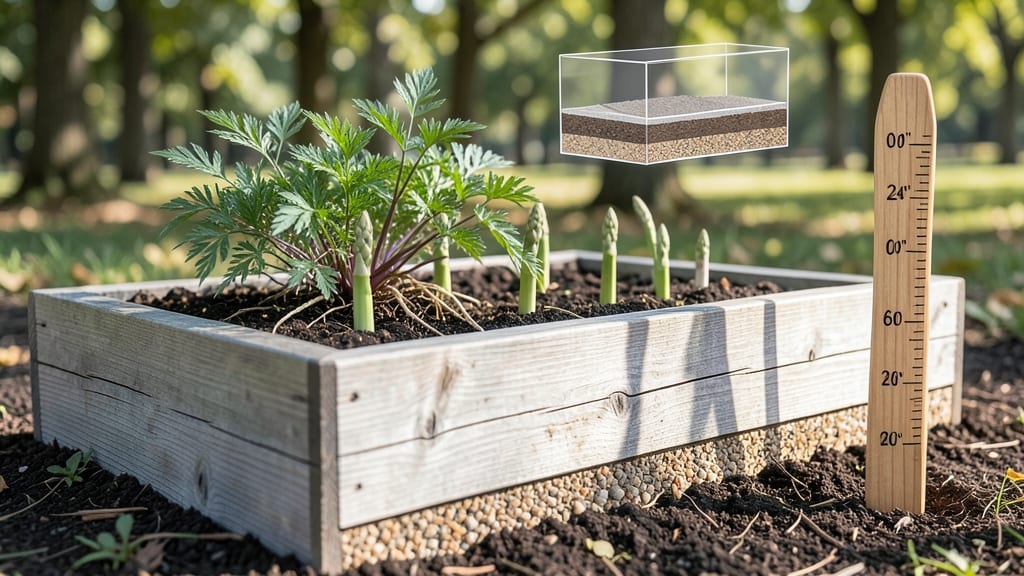
The optimal raised garden bed depth for most vegetables is 12 to 18 inches, balancing root space with practical construction while enhancing drainage and soil quality. Deeper beds (24+ inches) support root crops, while shallower beds (6-12 inches) work for herbs and leafy greens.
The 12- to 18-inch depth standard comes from plant biology—most vegetables develop root systems that reach 12 inches deep by maturity, while shallower beds risk root binding. 🌱 For example, tomatoes and peppers thrive in 12-inch beds, but potatoes need 24 inches to prevent forked tubers.
The extra depth also improves soil temperature regulation, keeping roots cooler in summer and warmer in spring. If space is limited, layer nutrient-rich compost in the bottom third to maximize vertical growth potential.
For herbs like basil or parsley, 6-inch beds work perfectly since their roots stay shallow. The key is matching depth to your plants' needs—root crops demand depth, while leafy greens prioritize surface soil fertility.
Always include at least 6 inches of organic matter at the bottom to ensure proper drainage and microbial activity.
💡 In This Article
- How Root Depth Affects Plant Growth in Raised Beds
- Choosing the Right Raised Bed Depth for Your Crops
How root depth affects plant growth in raised beds
Root systems determine how deep your garden beds need to be. Plants with taproots (like carrots or beets) require 18-24 inches of soil to develop properly, while those with fibrous roots (such as lettuce or radishes) thrive in 6-12 inches.
The deeper the bed, the more oxygen reaches roots, improving microbial activity that breaks down organic matter into nutrients. For example, a 12-inch bed provides enough space for tomatoes to develop strong root systems while preventing soil compaction that stunts growth.
Water retention is another critical factor. Deeper beds hold moisture longer, reducing irrigation needs by 30-50% compared to shallow beds.
The extra depth also creates a temperature buffer zone—roots stay cooler in summer and warmer in spring, which is especially beneficial for heat-sensitive crops like spinach. 🌱 Without adequate depth, roots compete for water and nutrients, leading to stunted plants or poor yields.
For instance, potatoes need 24 inches to prevent forked tubers, while strawberries flourish in 12-inch beds with their shallow root systems.
Soil aeration improves as bed depth increases because deeper layers allow water to drain freely, preventing anaerobic conditions that suffocate roots. This is why 18-inch beds are ideal for most vegetables—they balance root space with practical construction while maintaining optimal soil structure.
Shallow beds (6 inches) work for herbs but risk root binding, where roots circle the bed's edge in search of nutrients, creating a "pot-bound" effect that weakens plants.
Nutrient absorption also benefits from deeper beds. The bottom layers provide a reservoir of organic matter that releases nutrients gradually through decomposition. For example, a 12-inch bed filled with compost-rich soil can support a tomato plant for an entire season without needing additional fertilizer.
The deeper the bed, the more surface area roots have to explore, increasing their ability to absorb water and minerals efficiently.
Consider the soil composition when planning depth. Heavy clay soils benefit from 18-inch beds because the extra depth improves drainage, while sandy soils may require 12 inches to retain moisture. The key is matching the bed depth to your soil type and the plants you're growing.
For instance, carrots grown in 24-inch beds develop straighter, longer roots compared to those in shallower beds, where they may fork or split.
Temperature regulation is another advantage of deeper beds. The soil at 12 inches remains 5-10°F cooler in summer than surface soil, protecting roots from heat stress. This is particularly important for crops like peas or lettuce, which struggle in hot conditions.
Shallow beds (6 inches) lack this buffer, making them less suitable for heat-sensitive plants unless you use shade cloth or mulch.
For container gardening, even shallower beds (6 inches) can work if you prioritize nutrient density. Use a high-quality potting mix with added compost to compensate for the limited root space.
The trade-off is more frequent watering and fertilizing, but it’s a practical solution for small spaces or urban balconies.