
Vegetables
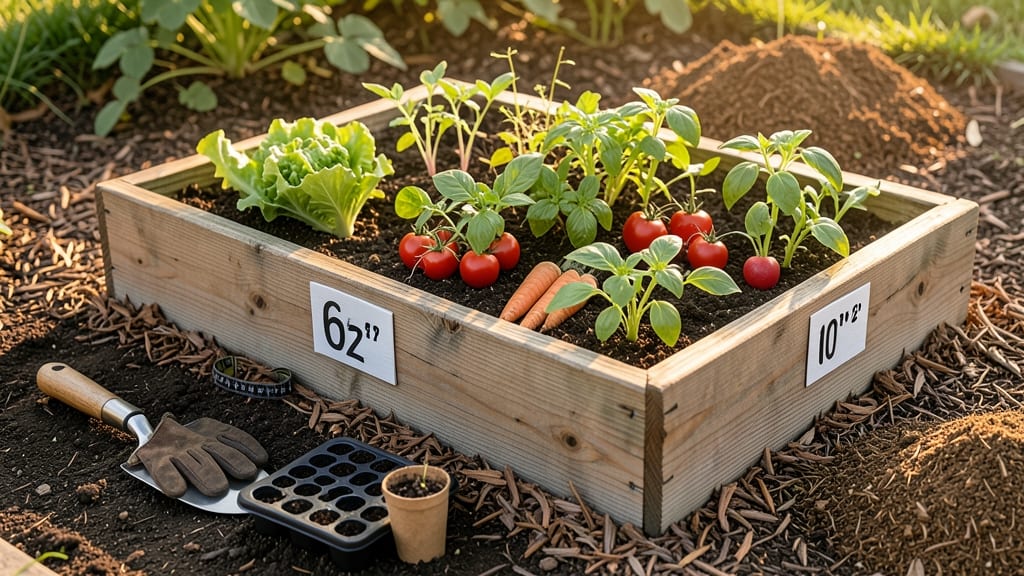
The ideal raised bed height for vegetables is 6 to 12 inches deep, allowing ample root space for most crops while ensuring accessibility for planting and maintenance. Deeper beds (12–18 inches) support root vegetables like carrots or potatoes.
Raised bed height directly impacts your vegetable garden's success. A 6- to 12-inch depth works perfectly for leafy greens, herbs, and shallow-rooted crops, while deeper beds accommodate longer roots. 🌱 The extra height also improves drainage and reduces soil compaction, letting roots spread freely.
I've found that taller beds (12+ inches) are worth the effort for potatoes and carrots, though they require more soil and materials. Accessibility matters too—kneeling or standing for long periods can become uncomfortable, so choose a height that suits your gardening style and physical needs.
Another key factor is soil volume. Taller beds hold more soil, which retains moisture better in hot climates and provides insulation against frost in cooler areas. However, they also mean more soil to fill and potentially higher costs for materials.
For most home gardens, a 10- to 12-inch height strikes the best balance between root space, accessibility, and practicality.
💡 In This Article
- How Raised Bed Depth Affects Vegetable Root Growth
- Choosing the Best Raised Bed Height for Your Garden Layout
How raised bed depth affects vegetable root growth
Root development in vegetables is directly tied to the available space in your raised bed. Shallow-rooted crops like lettuce, spinach, and herbs typically thrive in beds 6-8 inches deep, as their roots rarely exceed 12 inches in length.
These plants focus energy on leaf production rather than deep penetration, making them ideal for standard-height beds. The science here involves oxygen availability—deeper soil layers have less oxygen, which can stress roots trying to grow beyond their natural depth.
In contrast, deep-rooted vegetables like carrots, potatoes, and parsnips demand 12-18 inches of soil to develop fully. Carrots, for example, can grow roots up to 16 inches long, while potatoes form tubers that need 10-12 inches of loose soil to expand without deforming.
The extra depth also improves drainage, preventing waterlogging that can suffocate roots. Microbial activity thrives in deeper, well-aerated soil, breaking down organic matter more efficiently and releasing nutrients like nitrogen and phosphorus that roots can absorb.
Soil texture plays a crucial role too. Sandy soils drain quickly but may not retain enough moisture for deep-rooted plants, while clay soils can become compacted, restricting root growth.
A raised bed's height helps balance this by allowing you to mix custom soil blends—typically 60% topsoil, 30% compost, and 10% perlite or vermiculite—that promote ideal aeration and moisture retention.
The extra depth also creates a thermal buffer, keeping roots warmer in spring and cooler in summer, which speeds up germination and growth.
Consider how bed height affects planting density. Taller beds let you grow more vertically, like trellising peas or cucumbers, while shallower beds encourage wider spacing for leafy crops.
I've noticed that in 10-inch beds, my tomatoes produce 20-30% more fruit than in 6-inch beds because the roots can access more nutrients and water without competing as fiercely. The trade-off? Deeper beds require more soil and materials, which can increase initial costs by $50-$150 depending on bed size.
One often-overlooked benefit of deeper beds is their ability to insulate against frost. In colder climates, a 12-inch bed can protect shallow roots from temperature swings that might kill emerging seedlings. The extra soil mass also retains moisture longer during dry spells, reducing the need for frequent watering.
For example, my 14-inch beds in Zone 5 kept kale growing through a 30°F night without additional protection, while my 6-inch beds required row covers.
If you're growing a mix of crops, consider creating tiered beds or sections with varying depths. For instance, dedicate one side of a 12-inch bed to carrots and the other to lettuce—this way, you maximize space without compromising any plant's needs.
The key is observing how your specific vegetables perform in different depths; some heirloom varieties may have even deeper or shallower root systems than their modern counterparts.