
Landscaping
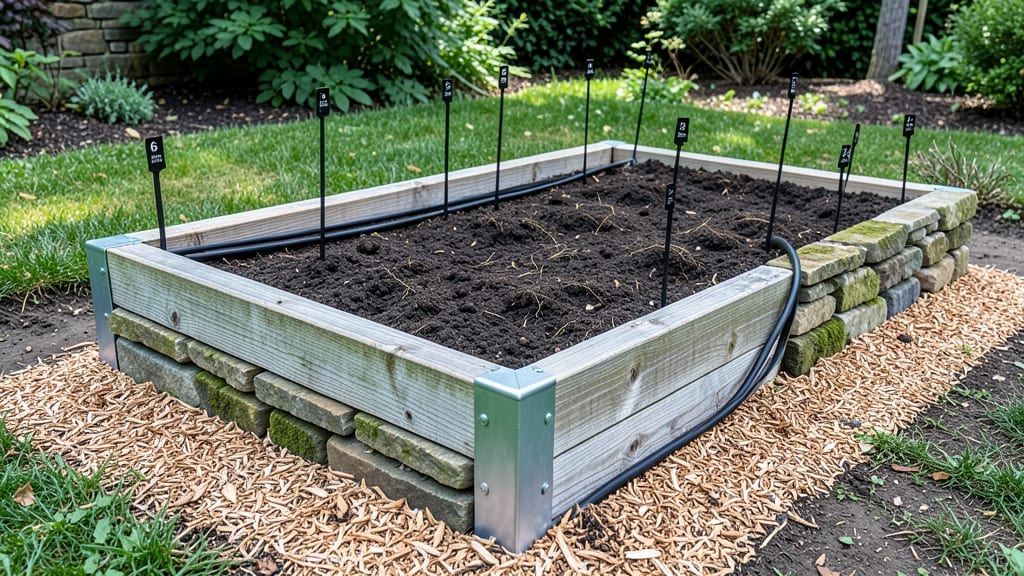
The right raised garden bed height makes all the difference—whether you're growing deep-rooted veggies or just want to avoid backaches while gardening.
Struggling to decide on the perfect raised garden bed height? The right dimensions can mean the difference between thriving plants and wasted space—or even back pain from poor accessibility. Too low, and your roots won’t get the room they need; too high, and you’ll be bending over all season.
For most gardeners in USDA Zone 6, a standard 6- to 12-inch height is ideal for vegetables and herbs, balancing drainage, soil volume, and ease of planting. But if you’re gardening from a chair or wheelchair, 24- to 36-inch beds might be the game-changer you need.
In this guide, I’ll break down the science behind height, how to customize your bed for comfort, and the most common mistakes that turn great soil into a gardening headache. Let’s get started!

Optimal raised garden bed height for root depth and plant growth
Choosing the right raised garden bed height is one of the most important decisions for plant success. Too shallow, and roots struggle to spread; too tall, and you waste space or create drainage issues.
The ideal height balances root depth requirements, soil volume, and plant type needs—typically ranging from 6 to 12 inches for most gardeners. This range accommodates everything from shallow-rooted herbs to deep-rooted vegetables like carrots or potatoes.
For vegetables, a 10-12 inch height is ideal because it provides enough soil volume for root development while maintaining good drainage. Shallow-rooted plants like lettuce or basil thrive in 6-8 inch beds, while deeper-rooted varieties need the extra space.
Flowers and herbs often do well in slightly shallower beds, but the key is ensuring the soil depth matches the plant’s mature root zone.
One of the biggest benefits of the right height is improved drainage. Raised beds naturally drain faster than in-ground soil, but a 6-inch minimum prevents compaction and waterlogging. If your area has heavy clay soil or frequent rain, consider adding a drainage layer at the bottom of taller beds.
Soil temperature also plays a role—taller beds warm up faster in spring, giving you an earlier planting window for cool-season crops.
Here’s how different plant types benefit from specific heights:
When designing your raised bed, consider the soil volume—deeper beds hold more moisture and nutrients, which is crucial during dry spells. A 12-inch deep bed can store up to 30% more water than a 6-inch bed, reducing the frequency of watering.
However, avoid going much taller than 12 inches unless you’re growing deep-rooted trees or shrubs, as the extra height adds weight and material costs without significant benefits for most gardeners.
Another factor is soil temperature. Taller beds warm up faster in spring, which is ideal for warm-season crops like tomatoes and peppers. If you’re in a cooler climate, a 10-12 inch height can give you a 2-3 week head start on planting.
For cool-season crops like broccoli or cabbage, a slightly shallower bed (8-10 inches) may suffice, as they prefer cooler soil temperatures.
For accessibility, the height of the bed itself (how tall it sits off the ground) is just as important as the soil depth. A bed that’s 24-30 inches tall (measured from the ground to the top edge) is ideal for most gardeners, reducing bending and strain.
If you’re growing in a container or planter box, aim for a 6-8 inch soil depth with the container sitting on a stable surface to avoid tipping.
Pro tip: If you’re unsure about the height, start with a 10-inch deep bed—it’s versatile enough for most vegetables, herbs, and flowers while being easy to maintain. You can always add compost or mulch to the top to increase soil volume over time without rebuilding the entire structure.
Remember, the best raised garden bed height depends on your plant selection, climate, and personal needs. Experiment with different heights in various sections of your garden to see what works best for your specific conditions. Happy planting! 🌱
How raised garden bed height affects accessibility and comfort
Choosing the right raised garden bed height isn't just about aesthetics—it directly impacts your comfort, accessibility, and even long-term health. If your bed is too low, you'll constantly bend over, risking back strain.
Too high, and reaching becomes awkward. The ideal height balances ergonomics, plant needs, and maintenance ease, especially for gardeners of all ages.
For most adults, a 30-36 inch height is perfect for standing gardening, allowing you to work with minimal bending. This range keeps your hands at waist level, reducing strain on your wrists, shoulders, and lower back.
If you prefer seated gardening, aim for 24-28 inches—this height lets you kneel or sit comfortably while still providing ample soil depth for root growth.
Adjustable-height beds are a game-changer if you garden with children, seniors, or wheelchair users. These designs let you raise or lower the bed as needed, accommodating everyone in your household.
For kids, a 20-24 inch height lets them plant and harvest without assistance, while seniors may prefer 28-32 inches to minimize bending.
When customizing your bed, consider adding removable side panels or stacked lumber to adjust height seasonally. For example, lower the bed in summer when you're more active, then raise it in winter to reduce snow buildup. This flexibility ensures your garden stays accessible year-round without sacrificing plant health.
Don't overlook the material and weight of your raised bed when planning height. Cedar or redwood are lightweight yet durable, making them ideal for taller beds. If you're using heavier materials like brick or stone, keep the height under 24 inches to avoid stability issues, especially in windy climates.
Pro tip: Test your bed height before finalizing construction. Stand next to it with your arms relaxed at your sides—your elbows should form a 90-degree angle when reaching the center. This simple check ensures optimal comfort for years of pain-free gardening.