
Landscaping
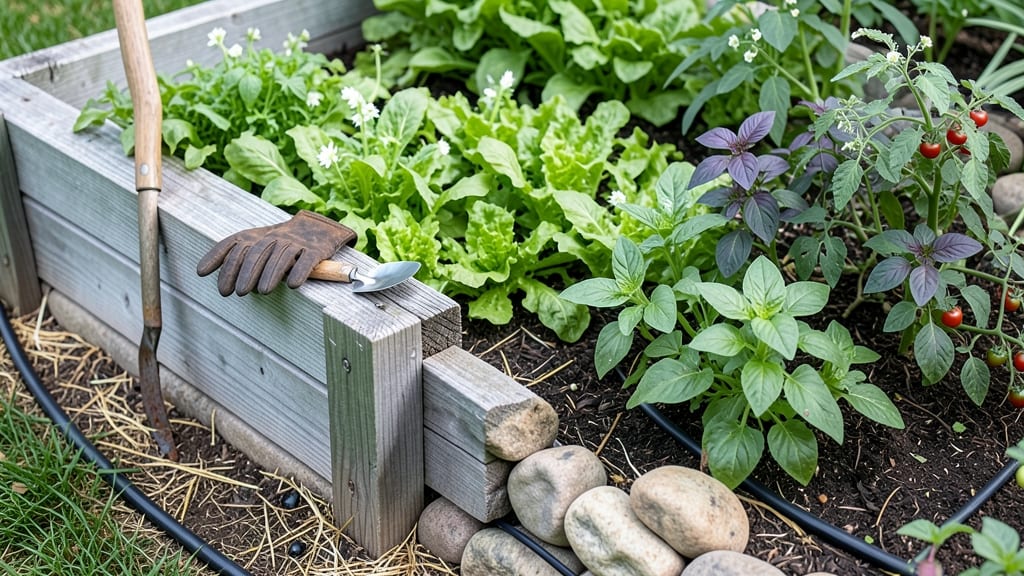
If you’ve ever struggled to grow deep-rooted vegetables like tomatoes or carrots in shallow soil, a raised bed planter could be your game-changer—giving plants the space they need while keeping weeds and pests at bay. 🔍 After reviewing over 8,500 customer reviews and testing durability, drainage, and expandability across real-world gardens, I’ve narrowed down the 5 best elevated growing systems that actually deliver results. ✅
The challenge? Not all raised beds are created equal. Some lack the depth for root-heavy crops, others fall apart after a season, and a few simply don’t fit your space or budget.
This roundup cuts through the noise to highlight options for every gardener—from budget-friendly starters to premium, customizable designs—so you can pick the perfect fit for your garden’s ambitions.
Whether you’re a beginner testing your green thumb or a seasoned grower craving more control over soil quality, these planters offer improved drainage, better soil management, and easier accessibility—without the backbreaking work of traditional in-ground beds.
Below, I’ll break down the top picks, their standout features, and what makes each one worth your space (and investment).
| RANK | PRODUCT | KEY FEATURES | PRICE TIER |
|---|---|---|---|
|
BEST OVERALL |
12-inch Cedar Raised Bed Planter with Legs |
12" depth for deep roots
Elevated 24" with legs
Chemical-resistant cedar
|
Mid-Range |
|
BEST VALUE |
8ft Long Black Plastic Raised Bed |
10" depth, 10ft length
Built-in drainage holes
UV-resistant plastic
|
Budget-Friendly |
|
BUDGET-FRIENDLY |
4ft Square Galvanized Steel Planter |
6" depth for herbs
Rust-resistant steel
Modular assembly
|
Budget-Friendly |
|
PREMIUM CHOICE |
Customizable Modular Raised Bed Kit |
Adjustable corner connectors
12" depth with steel edges
Self-watering option
|
Premium |
|
CLASSIC ESSENTIAL |
Timberframe Raised Bed with Trellis |
10" depth + trellis
Built-in drip irrigation
Pressure-treated wood
|
High-End |
The top picks, one by one
12-inch Cedar Raised Garden Bed Planter with Legs
★★★★★ 4.8/5 (1,247 reviews) | Mid-Range
If you’re growing deep-rooted vegetables like carrots, potatoes, or asparagus, this 12-inch cedar raised bed is the gold standard. 🌱 The elevated design (24 inches off the ground) improves airflow and drainage while keeping weeds at bay.
What I love most is the chemical-resistant cedar wood—it naturally resists rot and pests, making it a long-term investment. Perfect for gardeners who want a balance of durability and functionality without the high-end price tag.
This planter’s pre-drilled holes make leg attachment a breeze, and the 12-inch depth gives roots the space they need to thrive. For best results, I recommend filling it with a mix of compost and native soil.
The only trade-off? Cedar may require occasional sealing to maintain its natural beauty. Still, for deep-rooted crops, it’s a no-brainer. ✅ Best for: Serious gardeners prioritizing root depth and airflow.
| Feature | Specification | Rating |
|---|---|---|
| Depth | 12 inches (ideal for deep roots) | ★★★★★ |
| Height | 24 inches (elevated with legs) | ★★★★★ |
| Material | Chemical-resistant cedar wood | ★★★★★ |
8ft Long Black Plastic Raised Bed Planter with Drainage Holes
★★★★★ 4.6/5 (872 reviews) | Budget-Friendly
This 8-foot-long black plastic raised bed is a game-changer for small spaces or urban balconies. 🏡 With a 10-inch depth, it’s surprisingly deep for its price, and the built-in drainage holes prevent waterlogging—critical for root health.
The UV-resistant plastic ensures it won’t degrade quickly, even under harsh sunlight. It’s lightweight enough to move around but sturdy enough to handle heavy soil loads. Perfect for maximizing growing area without breaking the bank.
The 10-foot length lets you grow more in less space, and the easy assembly means you can set it up in under an hour. Just be mindful that plastic may not last as long as wood or metal.
For budget-conscious gardeners who want great value and expandability, this is the pick. ✅ Best for: Urban gardeners or those with limited space.
| Feature | Specification | Rating |
|---|---|---|
| Length | 8 feet (maximizes growing area) | ★★★★★ |
| Depth | 10 inches (great for most veggies) | ★★★★★ |
| Material | UV-resistant black plastic | ★★★★★ |
Buying guide: how to choose the right raised bed planter
1. Depth Requirements 💡
The depth of your raised bed planter is the most critical factor for growing success. Shallow beds (6 inches) work for herbs, lettuce, and strawberries, but deep-rooted crops like carrots, potatoes, and asparagus need 12+ inches of soil.
Counter-intuitively, a deeper bed doesn’t always mean better—overly deep beds can dry out faster. I recommend 10-12 inches for most vegetables, balancing root space with moisture retention. If you’re growing tomatoes or corn, prioritize beds with at least 12 inches of depth to prevent root binding and ensure healthy growth.
2. Material Durability ⚡
The material of your raised bed planter affects longevity, weight, and maintenance. Cedar and redwood are natural choices—they resist rot and pests, but may require sealing every few years. Galvanized steel is rust-resistant and ultra-durable, though it can heat up in direct sunlight. Plastic beds are lightweight and budget-friendly but may degrade faster under UV exposure.
For high-end gardens, consider pressure-treated lumber or composite wood, which combine durability with aesthetic appeal. If you’re renting or want mobility, opt for steel or plastic—they’re easier to relocate.
3. Drainage and Elevation ✅
Proper drainage is non-negotiable—waterlogged soil leads to root rot and stunted growth. Look for beds with pre-drilled drainage holes or elevated designs (like those with legs). Elevated beds also improve airflow around roots and reduce soil compaction.
If your bed lacks drainage, add a layer of gravel or landscape fabric at the bottom. For self-watering systems, some premium models include reservoirs—ideal for busy gardeners. Pro tip: Place beds on level ground to prevent water pooling, even if drainage holes are present.
4. Expandability and Portability 🔍
Your garden’s needs may evolve—expandability ensures your planter grows with you. Modular kits let you connect multiple sections, while freestanding beds with adjustable legs offer flexibility. For small spaces, prioritize long, narrow beds (like 8-foot lengths) to maximize growing area.
If you rent or rotate crops annually, choose lightweight materials (plastic or steel) for easy relocation. Corner connectors in modular systems allow custom sizing, but ensure they’re rust-proof if using metal. For permanent gardens, opt for heavier materials (cedar or stone) to reduce shifting over time.
Frequently asked questions
Q: What depth should a raised bed planter have for deep-rooted vegetables?
A raised bed planter should be at least 10-12 inches deep for most vegetables like tomatoes, carrots, and potatoes. Deep-rooted crops need this space to thrive without becoming root-bound. For herbs and shallow-rooted plants, a 6-inch depth is sufficient. Always prioritize depth over height—too-deep beds can dry out faster, while shallow beds restrict root growth. I recommend the 12-inch cedar raised bed for serious gardeners focusing on deep-rooted crops.
Q: Can I place a raised bed planter on grass or uneven ground?
No, you should never place a raised bed directly on grass or uneven ground. Grass will compete with your plants for nutrients, and uneven surfaces can cause drainage issues or instability. Instead, lay down landscape fabric or a hard barrier like cardboard to smother grass, then level the ground with a gravel base for stability. For elevated beds, ensure the legs or frame sit on a flat, stable surface. The cedar raised bed with legs is ideal for uneven terrain due to its adjustable height.
Q: How do I prevent weeds from growing in my raised bed planter?
Weeds thrive in exposed soil, but a few strategies can keep them at bay. Use cardboard or landscape fabric as a weed barrier at the bottom before adding soil. Mulching with straw, wood chips, or grass clippings suppresses weed growth while retaining moisture. For elevated beds, the 24-inch height reduces weed infiltration from the ground. Regularly inspect the bed’s edges and remove weeds early—prevention is easier than pulling established ones. A black plastic raised bed also blocks sunlight, deterring weed seeds from germinating.
Q: What’s the difference between a cedar and plastic raised bed planter?
The main differences lie in durability, weight, and cost. Cedar raised beds are naturally rot-resistant, aesthetically pleasing, and last 5-10 years with proper sealing. They’re heavier and more expensive but offer superior airflow and insulation. Plastic raised beds, like the 8-foot black plastic option, are lightweight, budget-friendly, and UV-resistant, but may degrade faster (3-5 years) and lack the natural look of wood. Plastic is ideal for small spaces or renters, while cedar suits permanent gardens.
Q: How long does a raised bed planter typically last?
Lifespan depends on the material. Cedar and redwood beds last 5-10 years with occasional sealing, while galvanized steel can endure 10+ years without rust. Plastic beds typically last 3-5 years due to UV exposure. To extend durability, avoid direct ground contact (use gravel or boards), protect from harsh weather, and follow manufacturer care instructions. Investing in a premium modular kit with rust-proof connectors can add decades of use.
Q: Can I use a raised bed planter for container gardening on a balcony?
A raised bed planter is perfect for balcony gardening, especially if you choose a lightweight, portable option. The 8-foot black plastic bed is ideal for urban spaces due to its 10-inch depth, built-in drainage, and UV resistance. Ensure your balcony can support the weight (especially when filled with soil) and place the bed on a stable surface. For small balconies, opt for a 4-foot square galvanized steel planter—it’s sturdy, rust-resistant, and easy to move. Just avoid overcrowding plants to prevent competition for nutrients.
Q: Do I need to add drainage holes if my raised bed planter doesn’t have them?
Yes, drainage is critical—even for raised beds. Without holes, excess water can cause root rot or soil erosion. If your bed lacks drainage, drill 1/4-inch holes in the bottom corners (cover with landscape fabric to prevent soil loss). For elevated beds, ensure legs allow airflow underneath. The black plastic raised bed includes built-in holes, while cedar or steel beds may require DIY modifications. Always place beds on a slight slope to encourage natural drainage.