
Orchid Care
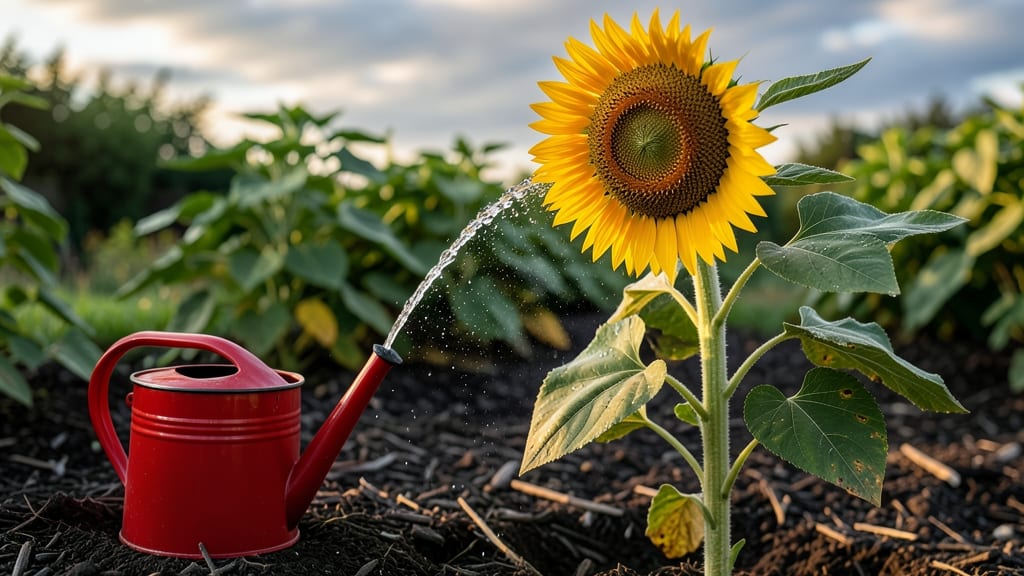
How deep watering sunflowers boosts towering growth
Sunflowers thrive when their roots dive deep into the soil, but many gardeners make the mistake of watering just the surface. This shallow approach leads to weak stems and stunted growth. Deep watering encourages roots to extend downward, creating a sturdy foundation for those towering sunflower stalks.
When roots access moisture from deeper layers, your plants develop drought resistance and vibrant blooms.
Think of deep watering like building a skyscraper—you need a deep foundation to support the height. Sunflowers can grow up to 15 feet tall, but without proper hydration, they’ll flop like overgrown weeds.
The key is balancing water depth and frequency based on your sunflower’s growth stage. Let’s break down the science and schedule to maximize your sunflower’s potential.
- 1. Root Depth Matters: Sunflower roots can grow 3-5 feet deep. Watering deeply encourages roots to extend downward, creating a sturdy anchor for tall stems.
- 2. Frequency vs. Depth: Less frequent but deeper watering (every 2-3 days) is better than daily shallow watering. Aim for 1-2 gallons per plant during peak growth.
- 3. Growth Stage Adjustments:
- Seedlings: Water lightly but daily to keep soil moist.
- Vegetative Stage: Increase depth to 6-8 inches every 2-3 days.
- Flowering Stage: Deep water daily to support bloom development.
- 4. Morning Watering: Always water in the early morning to reduce fungal risks and evaporation. Wet foliage at night invites powdery mildew.
- 5. Soil Type Impact: Sandy soil drains fast—water more frequently. Clay soil holds moisture longer—water less but deeper.
During the seedling stage, your sunflowers are delicate and need consistent moisture to establish roots. Water lightly every day, keeping the top 1-2 inches of soil damp.
Overwatering here can cause root rot, while underwatering stunts early growth. Use a spray bottle or gentle stream to avoid disturbing the soil around the tiny sprouts.
As your sunflowers enter the vegetative stage (around 4-6 weeks after planting), they’ll start growing rapidly. This is when deep watering becomes critical. Increase your watering depth to 6-8 inches every 2-3 days.
You’ll know you’re doing it right when you see water pooling at the base of the plant and draining away after 10-15 minutes. This encourages roots to grow deeper, preparing them for the flowering stage.
The flowering stage is when your sunflowers need the most water—up to 2 gallons per plant daily if your area is hot and dry. Focus on deep, slow watering to ensure the entire root zone is hydrated.
This is especially important for large varieties like 'Mammoth' or 'Russian Giant,' which can reach heights of 12-15 feet. Without proper hydration, their stems weaken, and blooms become smaller or fail to open.
One common mistake is assuming that bigger blooms require more water. While it’s true that sunflowers need plenty of hydration, overwatering can be just as damaging as underwatering. Too much water leads to root suffocation and nutrient leaching, which weakens the plant.
Always check the soil moisture by sticking your finger 2-3 inches deep. If it’s dry, it’s time to water.
To make deep watering easier, consider using a soaker hose or drip irrigation system. These tools deliver water directly to the root zone without wetting the leaves, reducing the risk of fungal diseases.
Place the hose or emitter near the base of the plant and let it run for 20-30 minutes to ensure deep penetration. For container-grown sunflowers, water until you see water draining from the bottom of the pot.
Another pro tip: Mulch around your sunflowers with straw or wood chips to retain moisture and regulate soil temperature. A 3-inch layer of mulch can reduce water evaporation by up to 30%, meaning you’ll need to water less frequently.
Just be sure to keep the mulch 2-3 inches away from the stem to prevent rot.
By mastering the art of deep watering, you’ll give your sunflowers the support they need to grow tall, strong, and vibrant. Remember, the goal is to encourage deep root growth, not just keep the soil surface damp.
With the right watering strategy, your sunflowers will reward you with stunning blooms and a garden centerpiece that turns heads. Happy growing! 🌻
Common sunflower watering mistakes that stunt growth
Even the hardiest sunflowers can suffer when watering goes wrong. Overwatering or shallow watering are silent growth killers—both create stress that weakens stems and stunts those iconic towering blooms. I’ve seen sunflowers collapse mid-season from just one of these mistakes, and I’m here to help you avoid them.
Sunflowers need deep, infrequent watering to develop strong root systems. Shallow puddles trick them into growing weak roots near the surface, making them top-heavy and prone to flopping. Let’s fix this before your sunflowers become a floppy mess.
⚠️ 5 Watering Mistakes That Kill Sunflower Growth
1. Overwatering – Soggy soil suffocates roots, causing yellowing leaves and fungal diseases like powdery mildew. Always check soil moisture before watering.
2. Shallow watering – A quick sprinkle encourages surface roots and weak stems. Water until soil is moist 12 inches deep.
3. Inconsistent schedules – Skipping watering days stresses plants, leading to wilting or drooping blooms. Stick to a routine.
4. Watering at night – Damp foliage invites pests and diseases. Always water in the early morning.
5. Ignoring soil type – Sandy soil drains too fast; clay holds too much water. Amend your soil with compost for balance.
Let’s start with overwatering, the sneakiest mistake. Sunflowers hate soggy feet—when roots sit in water, they suffocate and rot. I’ve seen entire patches of sunflowers collapse because their roots couldn’t breathe. The fix? Let the top 2 inches of soil dry out between waterings.
Next, shallow watering is a common trap. Many gardeners assume a quick sprinkle is enough, but sunflowers need deep hydration. Use a soaker hose or water until moisture reaches 12 inches deep. This encourages roots to grow downward, creating a sturdy anchor for those towering stems.
Inconsistent watering schedules are another growth stopper. Sunflowers thrive on predictability. If you water every other day one week and skip it the next, their roots struggle to adjust. Aim for every 2-3 days in spring, daily in summer, and taper off in fall.
Finally, watering at night might seem harmless, but it’s a recipe for disaster. Damp leaves at night create the perfect environment for fungal infections. Always water in the early morning so foliage has time to dry before evening. Your sunflowers will thank you with stronger stems and brighter blooms.