
Flowers
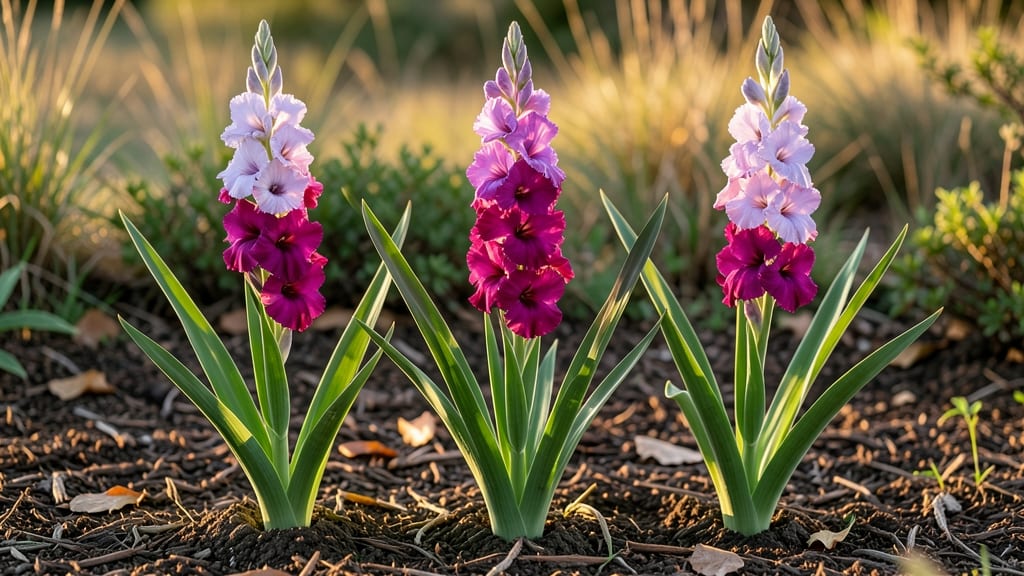
If you’ve ever planted the gladiolus flower height and been surprised by how dramatically their height varies—from 2-foot dwarfs to 6-foot giants—you’re not alone. The difference between a modest 🌸 display and a showstopping garden centerpiece often comes down to the variety you choose and how you care for it.
Gladiolus flowers are famous for their vertical reach, but their height isn’t just about luck. Whether you’re working with Zone 6 conditions or aiming for a summer border that commands attention, understanding how to nurture these plants is the key to unlocking their full potential.
From dwarf varieties perfect for containers to towering hybrids that steal the show in mixed beds, the right approach makes all the difference.
In this guide, I’ll break down exactly how tall different gladiolus varieties grow, share proven tips to encourage taller (or shorter) blooms, and explain why spacing, sunlight, and soil play such a critical role.
Whether you’re a beginner or a seasoned gardener, these insights will help you grow gladiolus that’s not just healthy—but stunningly proportional to your garden’s design.
Ready to transform your summer garden with gladiolus that reaches its full height potential? Let’s dive into the varieties, care secrets, and spacing strategies that will give you the dramatic blooms you’ve always wanted.

Gladiolus flower height by variety: from dwarf to giant stalks
Gladiolus flowers are nature’s vertical artists, capable of transforming your garden into a dramatic summer display. Their height ranges dramatically—from charming dwarf varieties perfect for containers to giant hybrids that reach skyscraper proportions.
Choosing the right variety isn’t just about aesthetics; it affects your garden layout, staking needs, and even how you arrange cut flowers. Let’s explore the spectrum of heights you can grow, from 1.5-foot miniatures to 6-foot giants, and how to select the perfect fit for your space.
Understanding gladiolus height variations helps you plan for structural support, companion plants, and even cut-flower arrangements. For example, a 5-foot 'Green Garter' variety will need sturdy stakes, while a 2-foot 'Nanus' series can thrive in window boxes.
The key is matching your garden’s vertical needs with the right cultivar. Below, we’ll break down the most popular varieties by height category, including their growth habits and ideal uses.
| Variety | Height Range | Flower Color | Best For |
|---|---|---|---|
| Nanus Series | 1.5–2.5 ft | Pink, White, Red | Containers, borders, cut flowers |
| Picotee Series | 2.5–3.5 ft | White-edged pink/red | Mixed borders, cottage gardens |
| Green Garter | 3.5–4.5 ft | White with green stripes | Cut arrangements, focal points |
| Giant Hybrid (e.g., 'Black Star') | 4.5–6 ft | Black, Deep Purple, Crimson | Dramatic backdrops, tall arrangements |
| Semi-Giant (e.g., 'Attila') | 3–4 ft | Scarlet, Salmon | Mixed-height beds, patio displays |
| Primulinus Series | 2–3 ft | Yellow, Cream | Bright accents, pollinator gardens |
The Nanus Series is my go-to for small spaces or containers, producing compact yet vibrant blooms. These varieties thrive in 6-inch pots and add color without overwhelming your layout.
Their 1.5–2.5-foot height makes them ideal for window boxes or balcony gardens where vertical space is limited. Pair them with trailing plants like petunias or lobelia for a layered effect.
For mid-height drama, the Picotee Series delivers 2.5–3.5-foot stalks with striking white-edged blooms. These are perfect for mixed borders where you want height without the need for heavy staking.
Their elegant, ruffled petals make them stand out in cottage-style gardens. I often plant them alongside delphiniums or hollyhocks for a romantic, old-fashioned look.
When you’re aiming for cut-flower arrangements, the Green Garter variety is a game-changer. Its 3.5–4.5-foot height provides long stems perfect for bouquets, and the white flowers with green stripes add a unique, modern touch.
To maximize their height, I always plant them in clusters and use bamboo stakes for support. Their bold vertical lines create stunning focal points in any garden.
If you’re dreaming of dramatic, towering gladiolus, the Giant Hybrid varieties like 'Black Star' will leave your neighbors in awe. These 4.5–6-foot giants need sturdy support—think metal cages or heavy-duty stakes—but their impact is unmatched.
I’ve seen 'Black Star' reach over 6 feet in ideal conditions, making it a star for backyard focal points or wedding bouquets. Their deep, rich colors contrast beautifully with lighter foliage.
For a balanced approach, Semi-Giant varieties like 'Attila' offer the best of both worlds. Standing 3–4 feet tall, they’re tall enough to add structure but don’t require the same heavy-duty support as giants.
Their scarlet and salmon blooms bring warmth to the garden and pair well with purple clematis or blue salvia. These are my workhorse varieties—reliable, striking, and versatile.
Don’t overlook the Primulinus Series for a pop of color in sunny spots. These 2–3-foot beauties feature cheerful yellow and cream blooms that attract pollinators. Their compact size makes them perfect for pollinator gardens or as a bright accent in rock gardens.
I often mix them with lavender or catmint for a low-maintenance, high-impact display.
When selecting gladiolus varieties, consider your garden’s vertical layers. Tall varieties like 'Black Star' should anchor the back of borders, while Nanus Series can spill over edges or fill containers. For cut-flower gardens, prioritize varieties with long stems and
How to maximize gladiolus height through proper care
Gladiolus plants are famous for their dramatic vertical growth, but achieving their full gladiolus flower height potential requires more than just planting the corms. The secret lies in creating ideal growing conditions that encourage strong stems and robust root systems.
I’ve learned through years of gardening that soil quality, sunlight exposure, and proper spacing are the foundation of taller gladiolus blooms. Without these, even the tallest varieties may struggle to reach their genetic height potential.
One of the most common mistakes gardeners make is assuming all gladiolus varieties grow equally tall. In reality, some dwarf varieties like 'Nanus' max out at just 2 feet, while giant hybrids can soar to 6 feet or more.
The key to unlocking that extra height lies in understanding how each variety responds to care. For example, tall varieties need deeper planting and sturdier support, while dwarf types benefit from well-draining soil to prevent flopping.
⚠️ WARNING: These 3 Mistakes Stunt Gladiolus Height
❌ Inconsistent watering – Drought stress causes stunted growth, while overwatering leads to root rot, both of which limit height potential.
❌ Poor sunlight exposure – Gladiolus need 6+ hours of direct sun daily; partial shade reduces stem strength and bloom height by up to 30%.
To maximize height, start with well-draining soil enriched with compost or aged manure. Gladiolus roots thrive in slightly acidic to neutral soil (pH 6.0–7.0). Amend heavy clay soil with sand or perlite to prevent waterlogging, which can stunt growth.
I always test my soil before planting—this simple step can add 1–2 feet to your gladiolus height! For container growing, use a lightweight potting mix with added perlite to ensure aeration.
Sunlight is non-negotiable for tall gladiolus. These plants demand full sun (6+ hours daily), preferably in a south-facing location. In hot climates, provide afternoon shade to prevent heat stress, which weakens stems.
I’ve noticed that gladiolus grown in morning sun with afternoon shade often produce 10–15% taller stems compared to those in harsh midday heat. A simple trick: plant them near taller perennials or shrubs to filter afternoon rays.
Watering plays a critical role in height development. During the active growing season (May–August), keep the soil consistently moist but never soggy. Deep watering 2–3 times per week encourages strong root growth, which directly supports taller stems.
Avoid overhead watering to prevent fungal diseases like botrytis, which weakens stems. Instead, use a drip irrigation system or water at the base early in the morning to keep foliage dry.
For varieties exceeding 4 feet, staking is essential to prevent flopping and maximize height. Install bamboo stakes or metal cages at planting time, gently tying stems with soft twine as they grow. I’ve found that tall gladiolus benefit from 2–3 stakes per plant, especially in windy areas.
Never wait until the stems are fully grown—early support prevents damage and encourages upward growth. Additionally, remove lower leaves that touch the ground to improve air circulation and reduce disease risk.
Fertilizing strategically boosts height by providing essential nutrients. Use a balanced fertilizer (5-10-10) at planting, then side-dress with low-nitrogen fertilizer (0-10-10) when shoots reach 6 inches. Avoid high-nitrogen feeds, which promote leafy growth at the expense of stem strength.
I’ve had the best results with a monthly liquid feed during peak growing months, but always water thoroughly after applying fertilizer to prevent root burn.