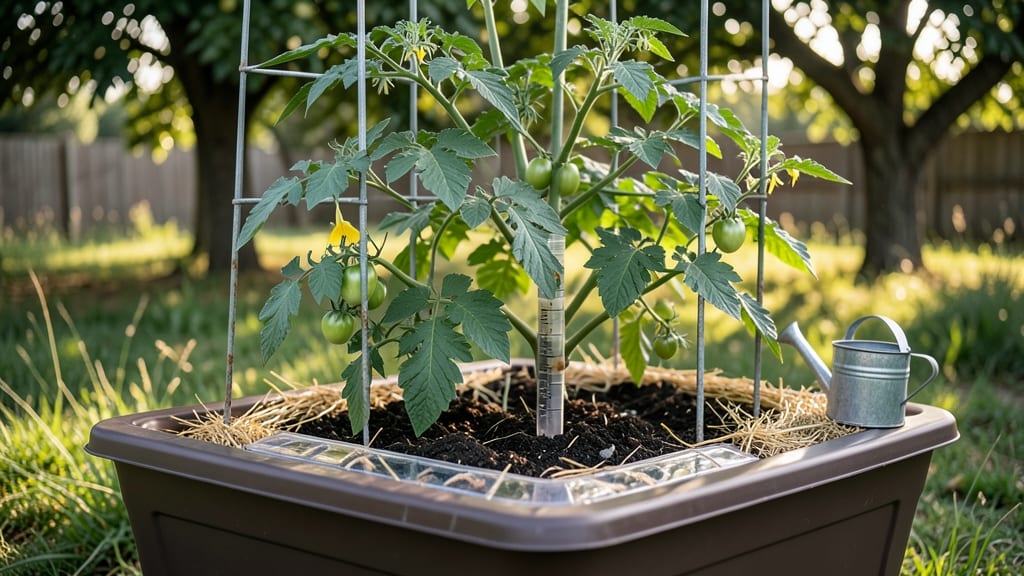
Buying guide: how to choose the right self-watering raised bed planter
1. Watering System Type (Passive vs. Active/Pump) 💡
A self-watering raised bed planter can use either a passive system (like wicking fabric) or an active system (with a pump). Passive systems, such as those with wicking fabric, are simple, low-maintenance, and perfect for small gardens or beginners.
They rely on capillary action to draw water upward from a reservoir, making them ideal for herbs, lettuce, and other moisture-loving plants. On the other hand, active systems use pumps or drip irrigation to deliver water directly to roots, offering more control and efficiency for larger plants or hot climates.
If you're growing thirsty plants like tomatoes or peppers, an active system with a timer or solar-powered pump will save you time and ensure consistent hydration. For minimal effort, passive systems are the way to go, but active systems are worth the investment if you want precision and automation.
2. Capacity and Reservoir Size for Your Plant Needs ⚡
The reservoir size determines how long your plants can go without refilling, so choose based on your garden’s needs. A 3-5 gallon reservoir is ideal for small gardens, herbs, or windowsill setups, requiring refills every 3-5 days.
For larger plants like tomatoes, peppers, or bush beans, opt for a 10-15 gallon capacity, which can last a week or more in moderate climates. If you're growing root vegetables like carrots or potatoes, a deeper bed with a larger reservoir (15+ gallons) is essential to accommodate their growth.
Counterintuitively, a bigger reservoir doesn’t always mean better—overwatering can lead to root rot. Always check the manufacturer’s recommendations for your specific plants and climate to strike the right balance.
3. Material Durability and Weather Resistance ✅
The material of your raised bed planter affects its lifespan, maintenance, and how well it withstands the elements. Plastic beds are lightweight, affordable, and resistant to rot, but they may not last as long in extreme weather or under heavy loads.
Wooden beds, especially those made from cedar or redwood, offer a natural, aesthetic appeal and excellent durability, but they require occasional sealing to prevent warping or rot. Metal beds are sturdy and long-lasting but can heat up in the sun, potentially stressing plant roots.
If you prioritize longevity and a rustic look, a cedar or composite wood planter is the best choice. For budget-friendly or temporary setups, plastic is a practical option, while metal is ideal for high-traffic or industrial gardens.
4. Ease of Assembly and Maintenance Requirements 🔍
Not all self-watering raised beds are created equal when it comes to assembly and upkeep. Some kits arrive pre-assembled or with snap-together components, making setup a breeze, while others require tools and careful alignment. Look for models with clear instructions and minimal hardware to avoid frustration.
Maintenance-wise, passive systems (like wicking beds) require less upkeep—just refill the reservoir and monitor water levels. Active systems with pumps or drip lines may need occasional cleaning to prevent clogs, especially if you use tap water with high mineral content.
If you're a busy gardener, prioritize a system with easy-to-clean components and minimal moving parts. Additionally, consider the bed’s weight—lightweight materials are easier to move if you need to rotate crops or adjust placement.
Frequently asked questions
Q: Can I use a self-watering raised bed planter for all types of plants?
A self-watering raised bed planter works well for most plants, but its effectiveness depends on the plant's water needs and root depth. Leafy greens, herbs, strawberries, and compact vegetables like lettuce, basil, and peppers thrive in these systems because they require consistent moisture without needing deep soil. However, large root vegetables like potatoes or carrots may struggle due to limited reservoir space or restricted root growth in smaller beds. For these, opt for a planter with a deeper reservoir (10+ gallons) or a modular design that allows for expansion. Always check the manufacturer’s recommendations for plant compatibility.
Q: How do I set up a self-watering raised bed planter for the first time?
Setting up a self-watering raised bed planter typically involves these steps: Start by assembling the bed according to the included instructions, ensuring all components (like reservoirs, wicking fabrics, or drip lines) are securely in place. Line the bottom with landscape fabric to prevent soil from clogging drainage holes, then fill the reservoir with water (usually up to the manufacturer’s recommended level). Add a layer of gravel or pebbles at the bottom for drainage, followed by a mix of high-quality potting soil and compost. Finally, plant your seeds or seedlings, ensuring they’re spaced properly for optimal growth. Most systems require filling the reservoir every 3-7 days, depending on climate and plant type.
Q: Why isn’t my self-watering raised bed planter watering my plants properly?
If your self-watering raised bed planter isn’t delivering water as expected, check these common issues: Clogged wicking fabric or drip lines (clean with vinegar or replace if damaged), low water levels in the reservoir (refill as needed), or improper assembly (ensure the reservoir is sealed and connected correctly). For passive wicking systems, the fabric may dry out—soak it in water for a few hours to restore moisture flow. If using a pump or drip system, verify that the power source (or solar panel) is functioning and that lines aren’t kinked. Most problems can be resolved with a quick inspection and maintenance.
Q: What’s the difference between a passive and active self-watering system?
The main difference lies in how water is delivered: Passive systems (like wicking beds) use capillary action to draw water upward from a reservoir through fabric or a porous material, requiring no electricity or pumps. They’re low-maintenance and ideal for small gardens or beginners, but water flow depends on soil moisture levels. Active systems, on the other hand, use pumps, timers, or drip irrigation to deliver water directly to roots, offering more control and efficiency for larger plants or hot climates. Active systems are better for thirsty plants like tomatoes or peppers but require occasional maintenance (like cleaning filters or checking pump function). Choose passive for simplicity, active for precision.
Q: Are self-watering raised bed planters worth the investment compared to traditional raised beds?
Yes, if you value time savings, water efficiency, and plant health. Traditional raised beds require daily watering and can suffer from uneven moisture distribution, leading to wilting or overwatered plants. A self-watering system eliminates guesswork by delivering consistent hydration, reducing water waste by up to 50%, and minimizing maintenance. For busy gardeners or those prone to over/under-watering, the investment pays off in healthier plants and less effort. While budget-friendly options start around the price of a traditional bed, premium models with timers or solar pumps offer long-term convenience and reliability, making them ideal for serious gardeners.
Q: How long do self-watering raised bed planters typically last?
The lifespan of a self-watering raised bed planter depends on its material and construction quality. Plastic beds last 3-5 years with proper care, while cedar or composite wood planters can last 10+ years if sealed regularly to prevent rot. Metal beds are the most durable, lasting 15+ years but may require occasional repainting. Active systems with pumps or electronics may need component replacements (like seals or filters) every few years. To extend longevity, avoid overfilling reservoirs, protect beds from extreme weather, and follow manufacturer maintenance tips. With care, even budget-friendly models can provide years of reliable performance.
★★★★★4.5(13 reviews)