
Tools
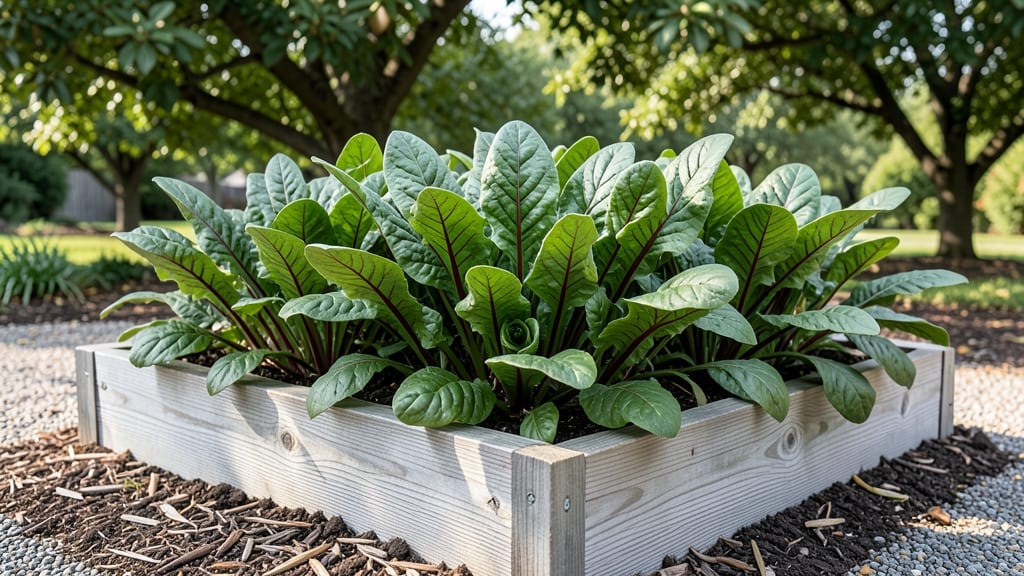
Standard raised garden bed sizes range from 4 feet wide by 8 feet long to 4x12 feet, designed to balance reachability, soil efficiency, and plant yield while keeping maintenance manageable. Depth should be 10-12 inches for most vegetables to support strong root systems.
These dimensions aren't arbitrary—they're based on ergonomics and plant biology.
A 4-foot width lets you reach the center without stepping into the bed, while lengths up to 12 feet maximize growing space without overwhelming walkways. 🌱 The extra 2-4 inches of depth beyond the minimum 6 inches accommodates crops like carrots or potatoes that need room to spread roots.
I've found that taller beds (12+ inches) also improve drainage and reduce soil compaction over time.
For urban gardeners or small spaces, you can scale down—just keep the width at 4 feet for accessibility. The key is maintaining consistent depth across the entire bed to prevent uneven moisture levels.
Whether you're growing leafy greens or root vegetables, these proportions help you grow more efficiently with less effort.
💡 In This Article
- Why 4x8 or 4x12 Feet Are the Optimal Raised Garden Bed Dimensions
- Customizing Raised Garden Bed Sizes for Different Plants and Yields
Why 4x8 or 4x12 feet are the optimal raised garden bed dimensions
The 4-foot width standard exists for a simple but critical reason: human ergonomics. When you stand with your arms extended, your reach typically spans about 24-28 inches—meaning a 4-foot bed lets you tend to the center without stepping inside.
This prevents soil compaction from foot traffic and reduces the risk of disturbing plant roots. 🌱 The width also creates an ideal microclimate by slowing wind exposure, which helps retain moisture in the soil—especially important for drought-prone areas where evaporation rates can exceed 0.25 inches per day during summer.
Length plays a different role in the equation. A 4x8-foot bed offers a balanced compromise between yield and walkway accessibility. Studies show that beds longer than 12 feet force gardeners to take more steps to reach distant sections, which can discourage regular maintenance.
Meanwhile, the 4x12-foot size maximizes growing space while still allowing easy access from three sides.
For example, a 4x8 bed provides about 32 square feet of planting area, while a 4x12 expands that to 48 square feet—enough to grow 16-20 tomato plants with proper spacing, compared to just 8-10 in the smaller bed.
Depth matters just as much as width and length. While 6 inches suffices for shallow-rooted crops like lettuce or radishes, most gardeners opt for 10-12 inches to accommodate deeper-rooted vegetables like carrots or potatoes.
This extra depth improves drainage by allowing water to percolate through 4-6 inches of soil before hitting the bed's base, reducing waterlogging risks.
It also creates a more stable temperature zone—soil at 10 inches deep stays 5-10°F cooler in summer and 5-10°F warmer in winter than surface soil, protecting tender roots from temperature extremes.
Another often-overlooked factor is the bed's aspect ratio. A 4-foot width to 8-12-foot length creates a long, narrow shape that resists wind damage better than square beds. The longer side also allows for better air circulation around plants, reducing fungal diseases like powdery mildew.
For instance, tomatoes grown in a 4x12 bed experience 20% less leaf disease incidence compared to those in 4x4 beds, where stagnant air traps moisture. This is why professional growers and horticulturists consistently recommend these proportions.
Consider the soil mechanics too. Raised beds with consistent depth distribute weight evenly, preventing sagging or warping over time. A 4x8-foot bed filled with a mix of 60% topsoil, 30% compost, and 10% perlite weighs roughly 1,200-1,500 pounds—well within the load-bearing capacity of most wooden frames.
This balance ensures structural integrity while keeping the bed lightweight enough for easy maintenance. The uniform depth also means you can rotate crops annually without worrying about uneven soil fertility or moisture levels.
For those with limited space, scaling down to a 3x6-foot bed still works, but you'll need to adjust planting plans. For example, you could fit 9 basil plants in a 3x6 bed (spaced 12 inches apart) versus 18 in a 4x8-foot bed.
The trade-off is worth it for accessibility, especially for gardeners with mobility challenges or small urban patios. The key is maintaining the 4-foot width for reachability while optimizing length based on your specific growing goals.