
Propagation
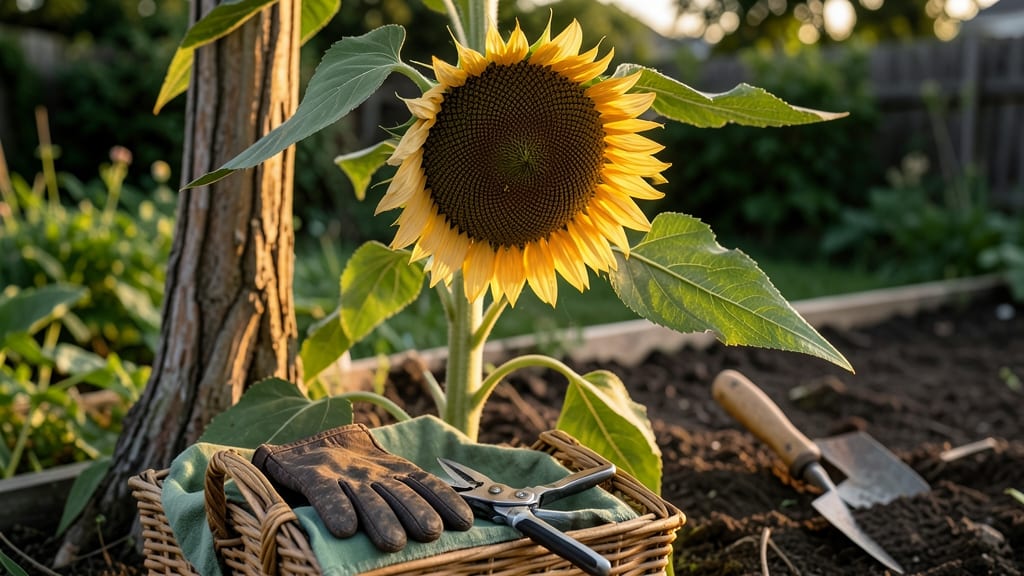
Timing matters when you cut sunflower heads—wait too long, and you’ll lose seeds to hungry birds or frost. The key is knowing exactly when those 🌻 seed heads are ready, so you can harvest them at their peak before nature takes over.
Most sunflowers reach maturity 80-120 days after planting, but the real test is watching for visual cues. Look for petals that have turned brown and drooped while the back of the head stays firm—this means the seeds inside are plump and ready for collection.
If you miss the window, don’t worry—there’s still time to salvage seeds before the first frost hits in Zone 6a. I’ll show you how to tell if they’re ready, plus the best ways to store them so you can replant next spring or use them in dried arrangements.
Whether you’re saving seeds for gardening or crafting, cutting at the right moment makes all the difference. Let’s break down the exact steps to ensure you don’t waste a single seed.
Optimal timing for cutting sunflower heads to harvest seeds
Timing is everything when it comes to harvesting sunflower seeds. The ideal window falls 2-4 weeks after flowering, when the seed heads reach full maturity but before birds or frost ruin your harvest.
Missing this window means either underdeveloped seeds or wasted effort. Understanding the visual cues and climate factors ensures you collect the best seeds for planting or crafts.
Sunflowers typically bloom between July and September, depending on your USDA zone and planting time. For example, in Zone 6a, most varieties flower by mid-August, giving you a 4-6 week window to harvest seeds before the first frost.
In warmer climates, like Zone 9, you may have an extra 2-3 weeks of harvest time. Always check your local frost dates to plan accordingly.
Here’s a quick reference to help you identify the perfect moment to cut sunflower heads, accounting for variety, climate, and seasonal variations:
| Stage | Visual Cues | Climate Considerations | Action |
|---|---|---|---|
| Early Flowering | Petals fully open, vibrant yellow | Warm, sunny days | Wait 2-3 weeks |
| Seed Maturity | Petals droop, back turns brown/yellow; seeds dark and plump | Dry, cool weather | Cut heads immediately |
| Overripe | Petals fully fallen, seeds may sprout or shatter | Humid or rainy | Avoid cutting; seeds lose viability |
| Frost Risk | Frost forecast within 1 week | Cooler climates (Zones 3-6) | Harvest heads early; dry indoors |
The back of the petals is your best indicator of maturity. When they turn yellow or brown, the seeds inside are typically ready. Gently press a seed head—if it feels firm and dry (not soft or spongy), it’s time to harvest.
For dwarf varieties, like ‘Teddy Bear’ or ‘Moulin Rouge’, this process happens 1-2 weeks earlier than standard varieties due to their smaller size and faster growth cycle.
Climate plays a huge role in timing. In hot, dry regions, like the Southwest, sunflowers mature faster, so monitor heads closely. In cooler, wetter climates, like the Pacific Northwest, heads may take longer to dry, increasing the risk of mold or sprouting.
If rain is forecasted, harvest heads early and dry them indoors to prevent spoilage. Always prioritize seed viability over waiting for "perfect" conditions.
Pay attention to the stem readiness as well. When the stem snaps easily near the base (rather than bending), the head is fully mature.
This is especially true for tall varieties, like ‘Russian Giant’ or ‘Mammoth’, which can reach 12+ feet and require extra care when cutting to avoid damaging the plant.
Use a sharp pruner or knife to make clean cuts, leaving 1-2 inches of stem attached to the head for easier drying.
If you’re growing sunflowers for seed propagation, aim to harvest heads before birds notice. Cardinals and finches are notorious seed thieves! Once the heads are cut, hang them upside down in a dry, well-ventilated space (like a garage or shed) to finish drying.
This protects your seeds while ensuring they’re ready for storage or planting next season.
Pro tip: If you’re unsure whether a head is ready, cut a test head and check the seeds inside. If they’re dark and plump, you’re golden. If they’re still light-colored or shriveled, wait another 3-5 days before harvesting the rest. This small step saves hours of frustration later!
For those in USDA Zones 7-10, you might get a second chance with fall-planted sunflowers. These late bloomers often mature just in time for winter seed saving. Keep an eye on your garden in October—you might find a few hidden gems ready for harvest!
Remember, the goal is seed viability, not perfection. Even if a few heads aren’t perfect, you’ll still have plenty of seeds for next year’s garden. With the right timing, you’ll enjoy a bountiful harvest that’s ready for planting, crafting, or sharing with fellow gardeners. Happy harvesting! 🌻
How to tell when sunflower heads are ready for cutting (vs. overripe)
Knowing the exact moment to cut sunflower heads separates a successful harvest from wasted effort. The perfect timing falls between seed maturity and overripeness, where seeds are plump but the head stays intact.
Miss this window, and you risk hollow seeds or bird theft—both of which mean losing your hard-earned yield.
Start by checking the petal condition. When the outer petals turn brown and droop while the back of the head remains firm to the touch, your sunflower is ready.
This usually happens 2-4 weeks after flowering, but exact timing depends on your USDA Zone 6a climate and sunflower variety.
Here’s the critical difference between ready and overripe heads:
✅ Ready to Cut
❌ Overripe (Too Late)
For a foolproof test, perform the stem separation check. Gently twist the head at the stem—if it snaps cleanly without tearing, it’s ready. If the stem resists or pulls apart, wait a few more days.
This simple test saves you from cutting too early and ending up with underdeveloped seeds.
Watch for seed color changes inside the head. Mature seeds should be dark brown or black and feel heavy when you shake the head. If you see light-colored or shriveled seeds, you’ve waited too long.
In Zone 6a, aim to harvest before the first frost (October 15) to avoid seed loss.
Pro tip: Cut heads in the morning after dew dries to reduce moisture. Use clean, sharp pruning shears and leave 2-3 inches of stem attached for easier drying. Hang upside down in a dry, dark place for 2 weeks to fully dry seeds before storage.
Timing is everything—cut too soon, and you’ll miss out on viable seeds; wait too long, and birds will feast first. With these cues, you’ll never miss the perfect harvest window again. 🌻