
Plants
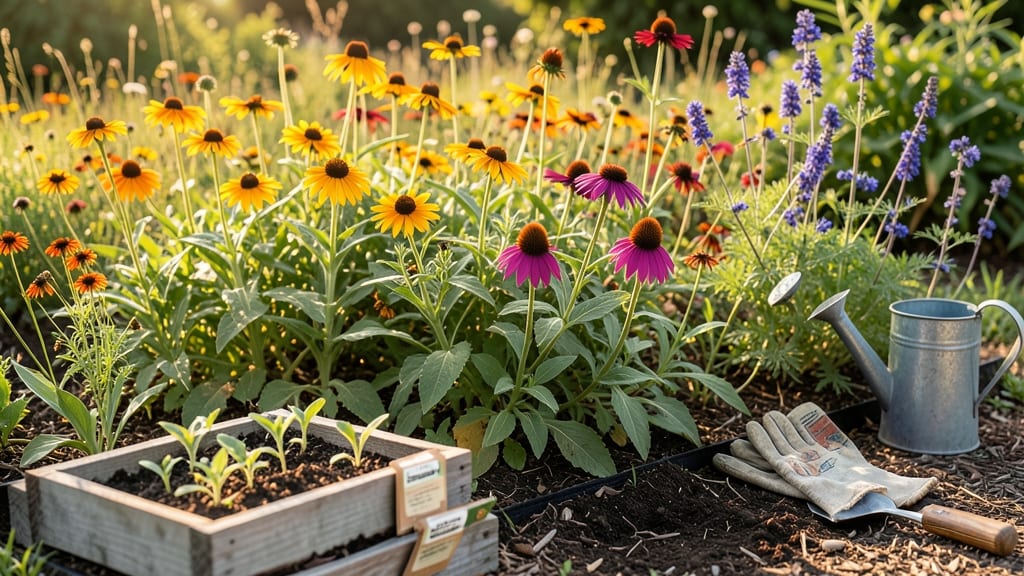
Planting wildflower seeds in Iowa at the wrong time could mean waiting another year for those vibrant blooms you crave.
The key to a thriving meadow starts with understanding your local frost dates and soil conditions—especially in USDA Zones 5a and 5b, where timing can make or break your wildflower dreams.
I’ve tested the best windows for success: early spring (March-April) or early fall (September-October) are your golden opportunities. Too early, and frost will nip your seedlings before they sprout; too late, and you’ll miss the ideal germination window.
Let’s break down the exact frost-free timeline that works for Iowa’s climate, so you can plant with confidence and watch your wildflowers 🌼 take over.
Most gardeners in Iowa make one of two mistakes: either rushing seeds into cold soil or waiting too long into summer heat. Both approaches lead to poor germination and sparse blooms.
What you really need is a strategy that aligns with your zone’s average last frost date—typically around April 15—and leverages the cooler, moister conditions of early fall.
In this guide, I’ll walk you through the precise planting schedule, including soil prep tips and seed mix recommendations tailored for Iowa’s prairie soil.
Whether you’re restoring a pollinator garden or simply adding color to your landscape, you’ll learn how to maximize your wildflowers’ potential from the very first scatter of seeds.
Iowa wildflower planting calendar: exact dates by USDA Zone 5a/5b
Iowa’s USDA Zones 5a/5b offer two prime windows for planting wildflower seeds: early spring and early fall. Timing matters because seeds need consistent soil temperatures (at least 40°F) and frost-free conditions to germinate properly. Miss these windows, and you risk frost damage or late-season drought.
Spring planting begins as soon as the ground thaws, typically mid-March through early May. Fall planting, however, starts earlier—late August through mid-October—to allow seeds to establish roots before winter. Both seasons require proper soil prep and light coverage to protect delicate seedlings.
Average last frost dates in Iowa’s Zone 5a/5b range from April 15 to May 1, while the first frost arrives around October 15. Use these dates as your guide, but always check your local Almanac for yearly variations.
| Season | Planting Window | Soil Temp Threshold | Key Notes |
|---|---|---|---|
| Spring |
Early: Mid-March Mid: April 1-15 Late: April 16-May 1 |
40°F+ (consistent) | Annuals thrive; perennials need light mulch. |
| Fall |
Early: Late August Mid: September 1-15 Late: September 16-October 15 |
50°F+ (daytime) | Perennials establish roots; avoid late sowing. |
| Soil Prep | March-April or August-September | N/A | Remove debris, loosen compacted clay, add compost. |
| Post-Planting | Spring: April-May Fall: September-October |
N/A | Light watering (½ inch/week); no fertilizer. |
For spring planting, focus on annual wildflowers like Black-eyed Susan or Cosmos, which bloom quickly and attract pollinators. These thrive when sown 2-4 weeks before the last frost, giving them time to establish before summer heat arrives.
Fall planting favors perennial wildflowers such as Purple Coneflower or Butterfly Weed. These species benefit from cooler temperatures and moist soil, which help roots grow deeply before winter dormancy. Aim to plant 6-8 weeks before the first frost for best results.
Soil temperature is a critical factor. Use a soil thermometer to confirm readings—most wildflower seeds need consistent temps above 40°F. In Iowa, this typically aligns with mid-April for spring and early September for fall, but early-morning frosts can delay germination.
After sowing, protect seeds with a light mulch layer (¼ inch) to retain moisture and deter erosion. Avoid heavy mulch, which can smother tiny seedlings. Water gently in the morning to prevent fungal diseases, and avoid overwatering—drought-tolerant wildflowers hate soggy soil.
Monitor your meadow for germination signs, which usually appear in 10-21 days for spring plantings and 2-4 weeks for fall-sown seeds. Thin seedlings to 6-12 inches apart once they reach 2-3 inches tall to ensure strong growth.
In Zone 5a (colder microclimates), push spring planting to late April and fall planting to early September to avoid early frosts. In Zone 5b (warmer areas), you can start as early as mid-March or extend fall sowing to mid-October.
Pro tip: Mark your calendar with local frost dates and adjust planting by 1-2 weeks if your area experiences early or late frosts. A little flexibility ensures your wildflowers thrive year after year! 🌼
Best wildflower seed mixes for Iowa’s climate and soil types
Iowa’s prairie soil and variable climate demand wildflower mixes that thrive in drought conditions while supporting pollinators. Native blends like Prairie Restoration Mix or Pollinator Paradise outperform non-native varieties, offering long bloom seasons and minimal maintenance.
These mixes adapt to Iowa’s clay-heavy soils and USDA Zone 5a-5b frost cycles, ensuring vibrant meadows year after year.
For low-maintenance gardens, opt for Prairie Sun—a blend of black-eyed Susan, coneflower, and butterfly weed. This mix requires little watering once established and blooms from June to October.
If you prioritize shade tolerance, Woodland Wildflower includes wild columbine and Virginia bluebells, perfect for partial shade areas like woodland edges.
🌿
High-bloom varieties like Butterfly Haven combine milkweed (critical for monarchs), bee balm, and goldenrod to create a year-round pollinator buffet. This mix thrives in full sun and handles Iowa’s hot summers with ease.
For urban gardens with limited space, Compact Prairie features short wildflowers like coreopsis and yarrow, reaching only 1-2 feet tall while still attracting bees and butterflies.
When selecting seeds, always choose native species to avoid invasive spread. My top recommendation for first-time gardeners is Prairie Sun—it’s easy to grow, drought-resistant, and delivers months of color.
For advanced gardeners aiming to restore native ecosystems, Prairie Restoration Mix includes wild bergamot and prairie clover, which support rare pollinators like bumblebees.
Pro tip: Mix annuals (like cosmos) with perennials (like purple coneflower) to ensure continuous blooms from early summer through fall. This strategy also reduces year-to-year variability in your meadow’s appearance.
Always test your soil’s pH balance—Iowa’s clay soils often need lime amendments to reach the 6.0-7.0 range ideal for most wildflowers.
🌻