
How To
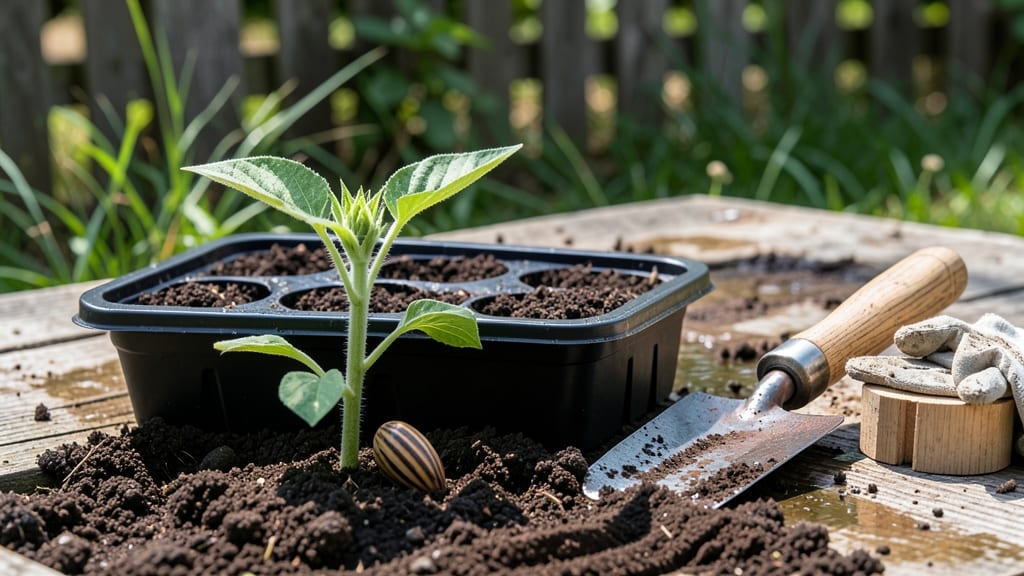
When to sow sunflower seeds just right could mean the difference between a garden full of towering 🌻 giants and a sad row of slow starters. The best window to sow sunflowers isn't just about the calendar—it's about understanding your local climate and giving those seeds the perfect warm-up to sprout in just 7 days.
In most general growing zones like 6a, the sweet spot arrives after your last frost—typically between April and May—when soil temperatures hit that 60-85°F sweet spot for fast germination.
But here's the catch: planting too early in cool soil can leave your seeds sitting dormant for weeks, while waiting too long might mean missing the ideal growing season.
Whether you're starting seeds indoors for a head start or dropping them straight into the garden bed, I'll show you exactly how to time it right. We'll cover the fastest germination tricks, from soil prep to spacing secrets, so you can go from seed to sunflower superstar in no time.
Ready to turn your garden into a sunflower paradise? Let's dive into the science and simple steps that'll have those cheerful blooms reaching for the sky before you know it.
Optimal sunflower sowing times by climate Zone: avoid these 3 mistakes
Sunflowers thrive when planted at the right time, but timing varies dramatically across USDA climate zones 3-10. In colder zones like Zone 3-5, you’ll want to wait until after the last frost date, while warmer zones like Zone 8-10 can handle earlier sowing—even in late winter.
The key is balancing soil warmth and frost risk to avoid stunted growth or seed rot.
One of my biggest mistakes early on was planting sunflowers too early in Zone 6. The seeds sprouted, but a late frost wiped out my seedlings.
Now, I always check the 10-day forecast and wait until nighttime temperatures stay above 50°F (10°C) consistently. This ensures strong, frost-resistant seedlings that can handle cooler nights.
For direct sowing outdoors, aim for 2-4 weeks after your last frost date. In Zone 7-10, this could be as early as March, while Zone 3-5 gardeners should wait until mid-to-late May.
If you’re in doubt, use a soil thermometer—sunflower seeds need soil temperatures of at least 60°F (15°C) to germinate reliably.
Here’s a quick reference for your climate zone, including frost-sensitive periods and heat tolerance thresholds:
| USDA Zone | Ideal Sowing Window | Last Frost Date | Soil Temp Needed | Heat Tolerance |
|---|---|---|---|---|
| 3-4 | Mid-May to early June | Mid-to-late May | 60-65°F (15-18°C) | Up to 90°F (32°C) |
| 5-6 | Late April to mid-May | Early-to-mid May | 60-70°F (15-21°C) | Up to 95°F (35°C) |
| 7-8 | March to early April | Mid-March to early April | 65-75°F (18-24°C) | Up to 100°F (38°C) |
| 9-10 | January to February | No frost (year-round) | 70-80°F (21-27°C) | Up to 110°F (43°C) |
If you’re eager to get a head start, indoor sowing is a game-changer. Start seeds 4-6 weeks before your last frost date in biodegradable pots filled with seed-starting mix. Place them under grow lights (12-16 hours/day) since sunflowers need full sun to thrive.
Once seedlings have 2-3 true leaves and soil warms up, transplant them outdoors with minimal root disturbance.
Another common mistake is overcrowding seedlings. Sunflowers need 12-24 inches of space between plants, depending on the variety. Dwarf varieties like 'Teddy Bear' can handle 12 inches apart, while giants like 'Mammoth' need 24+ inches.
Thin seedlings to avoid competition for nutrients and sunlight, which can lead to leggy, weak stems.
For late-season planting, focus on short-day varieties like 'Autumn Beauty', which bloom faster in cooler weather. In Zone 8-10, you can even sow a second crop in late summer (August-September) for fall blooms.
Just ensure seedlings get enough light to compensate for shorter days, or use a reflective mulch to maximize sunlight exposure.
Pro tip: Mark your calendar for 2-3 weeks before your first frost in fall. This is your last chance to sow fast-maturing varieties like 'ProCut' (50 days to harvest) for late-season blooms. Just be prepared to protect seedlings with row covers if frost threatens.
Finally, watch for heat stress signs like drooping leaves or yellowing in Zone 9-10 during summer. If temperatures exceed 95°F (35°C) for more than a week, provide afternoon shade cloth (30-50% shade) to prevent wilting. Mulching with straw or wood chips also helps retain moisture and regulate soil temperature.
With the right timing, your sunflowers will reward you with bold blooms and towering stems—no more missed opportunities or wilted disappointments! 🌻
Fast-germination tricks: how to get sunflowers to sprout in 7 days or less
Sunflower seeds are packed with energy, but they need the right conditions to unleash their growth potential. The key to those 7-day sprouts lies in understanding their temperature triggers and soil needs.
Unlike many plants, sunflowers won’t germinate well in cold soil—aim for a consistent 60-85°F range to see those first green shoots in record time.
I’ve found that prepping your seeds and soil with these science-backed tricks can cut germination time nearly in half. Whether you’re a beginner or a seasoned gardener, these methods will help you bypass the waiting game and get your sunflowers off to a flying start.
- 🌡️ Test soil temp with a thermometer—wait until it hits 60°F+ (ideal: 70-85°F) for fastest results.
- 💧 Soak seeds overnight in warm water to kickstart hydration (skip this if planting in moist soil).
- ⏳ Plant 1-2 inches deep—deeper than most seeds, but don’t bury them too close to the surface.
- ☀️ Choose a sunny spot with 6+ hours of direct light daily—sunflowers won’t tolerate shade.
- 🌱 Thin seedlings to 12-24 inches apart once they’re 3-4 inches tall for strong stems.
One of my favorite tricks is using a companion planting strategy to speed up germination. Pair sunflowers with bush beans or radishes, which help loosen the soil and improve drainage—both critical for fast sprouting.
The beans even fix nitrogen in the soil, giving your sunflowers a nutrient boost from day one.
If your seeds still aren’t sprouting after 7-10 days, don’t panic. Check your soil moisture—it should feel like a damp sponge, not soggy. Overwatering can suffocate seeds, while dry soil slows them down.
A quick fix? Gently water the area again and cover with a thin layer of mulch to retain warmth and moisture.
For extra speed, try starting seeds indoors under grow lights 2-3 weeks before your last frost date. Use small pots with drainage holes and keep them in a warm spot (like on top of your fridge) until soil temperatures outside are ready.
This head start can shave days off your germination time and give your sunflowers a competitive edge.
Remember, sunflowers are resilient—once they sprout, they’ll grow fast. But those first critical days are where the magic happens. With these tricks, you’ll be watching those cheerful 🌻 faces peek through the soil in no time.