
Blooming
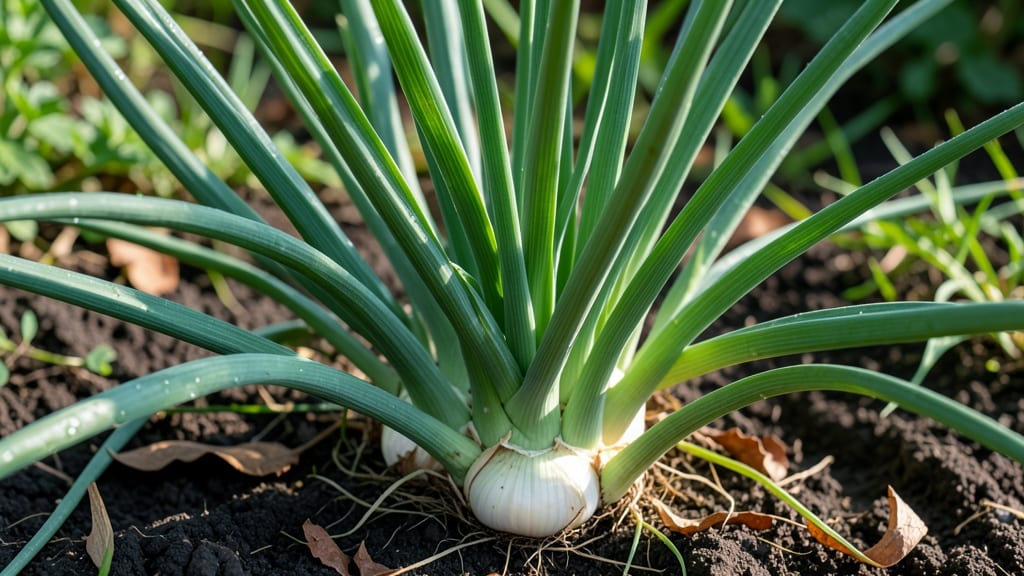
Want to turn your Allium 🌷 into a next-season powerhouse by focusing on the allium before flowering? The key lies in what you do before those iconic blooms even appear—and it’s simpler than you think.
Most gardeners focus on post-flowering care, but the real magic happens in the early growth stages. By mastering a few strategic pruning techniques now, you’ll encourage stronger stems, more vibrant blooms, and plants that thrive year after year.
Let’s cut to the chase on how to set your alliums up for success.
Timing is everything when it comes to pruning alliums. Too early, and you risk stunting growth; too late, and you miss the window to redirect energy where it matters most.
I’ll walk you through the exact steps to prune for maximum impact, so you can enjoy a showstopping display without the guesswork.
Ready to unlock bigger, bolder blooms next season? Let’s dive into the game-changer techniques that will transform your allium care—starting today.
When and how to prune alliums before flowering for maximum growth
Pruning alliums before flowering might seem counterintuitive—after all, those globular blooms are their star feature. But strategic pruning redirects energy from flower production to root and stem development, ensuring your plants return stronger next year.
The key is timing: late spring to early summer, when foliage is lush but buds haven’t yet formed.
Alliums like Allium giganteum or Allium schubertii thrive when pruned to remove spent lower leaves while preserving the upper growth. This practice prevents nutrient depletion and encourages thicker stems for next season’s bold blooms. Let’s break down the exact steps to prune like a pro.
Step-by-Step Pruning Guide for Alliums
- Step 1: Wait for late spring (May) when foliage is 6-12 inches tall but no buds are visible. Use this as your pruning window.
- Step 2: Gather your tools: sharp bypass pruners, sterilized scissors, and gardening gloves to protect your hands.
- Step 3: Cut 1/3 of the lower foliage at a 45-degree angle, leaving the upper 2/3 intact to photosynthesize.
- Step 4: Remove only yellowed or damaged leaves. Avoid trimming healthy green growth—this supports root strength.
- Step 5: Disinfect tools with rubbing alcohol between plants to prevent disease spread like fungal infections.
- Step 6: Water deeply after pruning to reduce transplant shock and encourage recovery.
Timing is everything—prune too early, and you’ll stunt growth; too late, and you’ll miss the energy-redirection window. Look for new shoots emerging from the base but no visible flower buds (those round, papery bud clusters are your cue to wait).
Use clean cuts to avoid tearing foliage, which can invite pests like aphids. Focus on the outer leaves first—they’re the oldest and least critical for photosynthesis. Preserve the inner, younger leaves to keep the plant energized.
Pro tip: If your alliums are overcrowded, thin them now by removing weakest stems. This gives remaining plants more space to develop stronger roots and larger blooms next year. Aim for 6 inches between plants for optimal airflow.
After pruning, monitor your alliums for signs of stress, like wilting or yellowing. If this happens, reduce watering slightly and ensure they’re in full sun (6+ hours daily). Alliums are drought-tolerant but need consistent moisture during recovery.
For organic gardeners, add a compost top-dressing after pruning to replenish nutrients. Avoid high-nitrogen fertilizers—they promote leafy growth at the expense of flower development. Instead, use a balanced 5-10-10 fertilizer to support root and stem growth.
Remember: The goal isn’t to remove all foliage but to balance growth. Leave enough leaves to photosynthesize while redirecting energy to the bulb and stems. With this approach, your alliums will reward you with taller, more dramatic blooms next season.
🌷
Common mistakes to avoid when pruning alliums before flowering
Even experienced gardeners accidentally weaken their alliums by making pruning mistakes before flowering. One of the most common errors is pruning too aggressively—removing more than one-third of the foliage can starve your plants of energy they need for root development.
I’ve seen gardeners cut back alliums down to stubs, thinking they’re "tidying up," only to watch their plants struggle to recover before bloom time.
The timing of pruning is equally critical. Many gardeners wait until buds appear or even bloom before pruning, missing the late spring window when foliage is lush but flower buds are invisible.
This mistake forces the plant to divert energy to blooms instead of strengthening its structure for next season’s display.
Correct vs. Incorrect Pruning Methods
✅ Correct Pruning
- When: Late spring (May)
- What: Remove 1/3 lower leaves only
- Angle: 45-degree cut
- Tools: Sharp, sterilized pruners
- Result: Stronger stems, bigger blooms
❌ Incorrect Pruning
- When: Early spring or post-bloom
- What: Cut more than 1/3 or all foliage
- Angle: Jagged or straight cuts
- Tools: Dull or unsterilized tools
- Result: Weak stems, smaller blooms
Another frequent mistake is using the wrong cutting angle. Many gardeners make straight-across cuts, which can damage the plant’s vascular system and invite diseases like botrytis blight.
Always use a 45-degree angle to create a larger surface area for faster healing and prevent water from pooling on the cut.
Recognizing these mistakes early is key. If your alliums show yellowing leaves after pruning or fail to produce strong stems, you’ve likely pruned too much or at the wrong time.
The goal is to balance growth, not eliminate it—your plants need enough foliage to photosynthesize while redirecting energy to the bulb.
Even the tools you use can make or break your pruning success. Using dull or dirty pruners can crush stems and spread diseases between plants. Always sterilize your tools with rubbing alcohol between cuts, and choose sharp bypass pruners for clean cuts that heal quickly.
For overcrowded alliums, the solution isn’t to prune more aggressively—it’s to thin the plants by removing entire weak stems at the base. This gives remaining plants more space to develop stronger roots without overburdening the soil’s nutrients.
🌱