
Trees
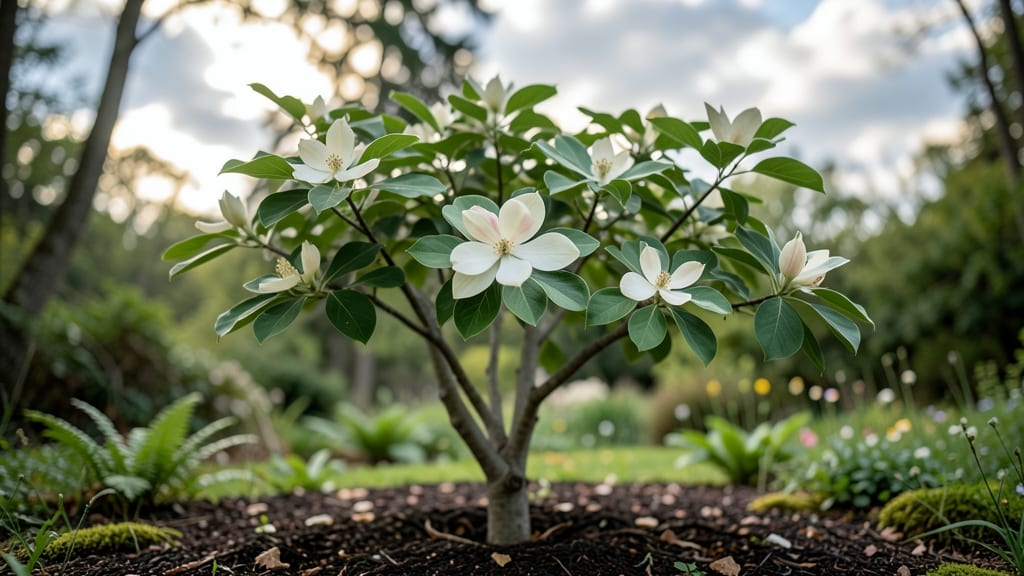
Flowering dogwood growth rate by variety: annual height increase chart
Flowering dogwoods (Cornus florida and related species) are prized for their stunning spring blooms and vibrant fall foliage, but their growth rates vary dramatically by variety. Knowing your dogwood’s annual height increase helps you plan for shade, blooms, and long-term care.
Some varieties mature in 10 years, while others take 20+ years to reach full height—here’s what to expect.
Growth speed depends on variety selection, soil quality, sunlight exposure, and watering habits. For example, ‘Cherokee Brave’ grows 2–3 feet per year in ideal conditions, while Cornus kousa (Kousa dogwood) gains only 1–2 feet annually.
Let’s break down the numbers so you can set realistic expectations for your landscape.
📊 Key Insight: Most flowering dogwoods reach 10–20 feet tall by age 10, but dwarf varieties like ‘Rubra’ stay under 15 feet at maturity. Understanding these rates helps you space trees properly and avoid overcrowding.
🌱 Pro Tip: Container-grown dogwoods start slower (only 6–12 inches per year for the first 2 years) but catch up once transplanted. If you’re planting from a 5-gallon pot, factor in a 3–5 year lag before seeing rapid vertical growth.
Environmental factors can double or halve these growth rates. For instance, full sun exposure in USDA Zone 7 or warmer can add 50% more growth per year, while shady, clay-heavy soil may slow progress to half the expected rate.
Always amend soil with compost before planting to improve drainage and nutrient uptake.
Pruning in late winter (just before buds swell) encourages vertical growth, but avoid heavy pruning if you want earlier blooms—dogwoods set flower buds the previous summer. Cutting back too much in spring can delay blooming by 1–2 years.
If you’re planting multiple dogwoods, space them 15–25 feet apart to prevent root competition. ‘Cherokee Brave’ and ‘Aurora’ are ideal for smaller yards due to their faster growth and compact size, while Cornus kousa is better for drought-prone areas where slower growth is less stressful on the tree.
🌿 Myth Buster: Many gardeners assume all dogwoods grow slowly, but ‘Cherokee Brave’ and ‘Aurora
How to accelerate flowering dogwood growth naturally (without chemicals)
Flowering dogwoods (Cornus florida) are stunning shade trees, but their growth rate can feel frustratingly slow—especially when you’re eager for those iconic spring blooms.
With the right care, you can naturally speed up development by focusing on soil health, watering strategies, and pruning techniques without relying on synthetic chemicals. The key lies in mimicking their natural habitat while avoiding common gardening mistakes that stunt growth.
Dogwoods thrive in moist, well-draining soil with a slightly acidic pH (6.0–6.5). If your soil is compacted or nutrient-poor, roots struggle to expand, slowing growth. I’ve found that amending the planting hole with compost and organic matter at the start gives young trees a head start.
For established trees, a 2–3 inch layer of mulch (like hardwood chips) retains moisture and regulates soil temperature—critical for root development.
- 1 Optimize sunlight exposure: Plant in partial shade (4–6 hours of morning sun) to prevent leaf scorch. Avoid harsh afternoon sun, which stresses dogwoods and slows growth.
- 2 Water deeply but infrequently: Newly planted trees need 1–2 gallons of water weekly, while established trees thrive with deep soakings every 10–14 days. Shallow watering encourages weak roots.
- 3 Prune in late winter: Remove dead, crossing, or diseased branches when the tree is dormant (February–March). Avoid heavy pruning, which stresses the tree and delays flowering.
- 4 Avoid over-fertilizing: Dogwoods are sensitive to excess nitrogen. Use a balanced organic fertilizer (10-10-10) in early spring—just 1 cup per 10 sq ft—to encourage steady growth without burning roots.
- 5 Monitor for pests: Watch for dogwood borers or powdery mildew, which weaken trees. Treat with neem oil or horticultural soap if issues arise—chemical pesticides can harm beneficial insects.
Seasonal care is just as important as daily maintenance. In spring, focus on watering and light fertilization to fuel new growth. By summer, reduce watering slightly to harden the tree for winter, and in fall, avoid heavy pruning to prevent stress before dormancy.
I’ve seen dogwoods in my own yard grow 2–3 feet taller per year when given these consistent conditions—versus the typical 1–2 feet in less-than-ideal soils.
One mistake gardeners often make is planting too deep, which suffocates roots. Always plant with the root flare visible above soil level and backfill with native soil mixed with compost.
Another pitfall is over-pruning, which can reduce flowering potential. Stick to structural pruning to maintain shape while preserving the tree’s natural form.
With patience and the right techniques, your flowering dogwood can reach mature height faster while staying healthy and vibrant. The secret? Treat it like a low-maintenance native plant—not a high-drama specimen.
Your efforts will pay off with earlier blooms, denser foliage, and a stronger tree structure ready to handle decades of shade and beauty.