
Light Requirements
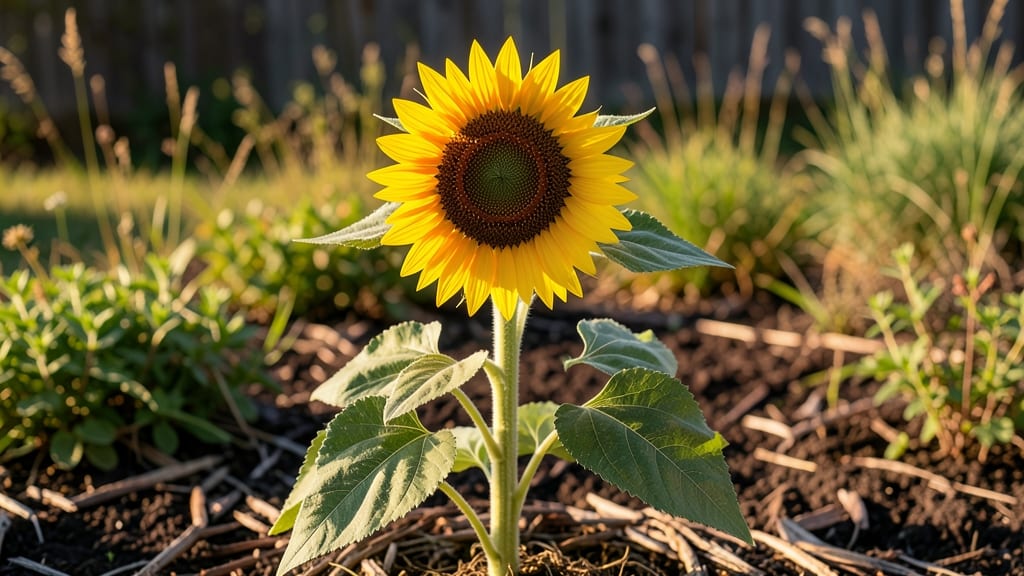
How many sunlight hours do sunflowers actually need for optimal growth?
If you’ve ever planted sunflowers hoping for those iconic 10-foot giants only to end up with sad, leggy stalks, you’re not alone. Sunflowers are sun worshippers—they crave light like we crave coffee. But here’s the catch: not all sunflowers are created equal.
Their sunlight needs vary wildly depending on the variety, growth stage, and even the color of their blooms. Let’s break it down so you can grow sunflowers that reach their full, glorious potential.
The minimum sunlight requirement for sunflowers is 6 hours of direct sun daily, but that’s just the bare minimum. For optimal photosynthesis and those show-stopping blooms, aim for 8-10 hours. Think of sunlight as their energy drink—without enough, they’ll grow tall but weak, with tiny, underwhelming flowers.
And if you’re growing sunflowers for seeds? You’ll need even more light to ensure those seeds develop properly.
Now, let’s talk science for a second. Sunflowers use photosynthesis to convert sunlight into energy, but their efficiency depends on chlorophyll concentration and leaf structure. Varieties with darker green leaves (like 'Mammoth' or 'Russian Giant') tend to perform better in full sun because they absorb more light.
Meanwhile, lighter-colored varieties might struggle in intense midday sun without adequate water. It’s all about balance!
But here’s where most gardeners go wrong: assuming all sunflowers have the same needs. Giant varieties like 'American Giant' or 'Colossus' demand 10+ hours of sun to reach their towering heights, while dwarf varieties like 'Teddy Bear' or 'Moulin Rouge' can thrive with 6-8 hours.
Even the flower type (single vs. double blooms) plays a role—double-bloom varieties often need extra light to support their heavier flower heads.
Let’s talk about growth stages because sunlight needs change as your sunflowers mature. Seedlings (those first few weeks) are the most delicate—they only need 4-6 hours of sun to avoid scorching.
Once they’re 2-3 inches tall, gradually increase their sun exposure to 8+ hours daily. This hardening-off process prevents sunburn and encourages strong stem development.
When your sunflowers hit the budding stage, that’s when the magic happens. This is the critical period
Signs your sunflowers aren’t getting enough sunlight (and how to fix it)
If your sunflowers are growing slower than expected or producing tiny blooms, sunlight deficiency might be the culprit. Sunflowers are sun-worshippers—they need at least 6-8 hours of direct sunlight daily to reach their full potential.
Without enough light, their growth stalls, and their stems weaken, leaving them vulnerable to pests and diseases.
I’ve seen many gardeners assume their sunflowers just need more water or fertilizer, but the real issue is often insufficient sunlight. The good news? Once you spot the signs, you can take action to give your plants the light they crave.
Let’s dive into what to watch for and how to fix it.
⚠️ Sunflower Sunlight Crisis
Sunflowers require 6-8+ hours of direct sunlight daily. Without it, they’ll show these 3 warning signs:
- Pale or yellowing leaves (chlorosis)
- Weak, leggy stems (stretching toward light)
- Delayed or no blooming (small, underdeveloped flowers)
Fix it by relocating plants to sunnier spots, pruning nearby shade-casters, or using reflective surfaces like mirrors to redirect light.
One of the first signs your sunflowers aren’t getting enough sunlight is leaf discoloration. Healthy sunflower leaves are deep green, but when they’re starved for light, they turn pale or even yellow. This happens because the plant can’t produce enough chlorophyll—the pigment responsible for photosynthesis—without sufficient sunlight.
Another red flag is weak, elongated stems. Sunflowers stretch toward light sources in a phenomenon called etiolation. These stems are thin, weak, and prone to snapping under their own weight or in windy conditions.
If your sunflowers look like they’re reaching for the sky, it’s a clear sign they need more light.
Delayed or underdeveloped blooms are another major clue. Sunflowers need ample sunlight to produce energy for flowering. Without it, they may produce tiny buds that never fully open or fail to bloom at all.
Even if they do flower, the blooms will be smaller and less vibrant than their sun-soaked counterparts.
To fix these issues, start by relocating your sunflowers to a sunnier spot in your garden. If they’re in containers, move them to a south-facing area where they can soak up morning to afternoon sun. For in-ground plants, consider pruning nearby trees or structures that might be casting shade.
For gardeners with limited space, companion planting can help. Pair sunflowers with shorter, low-maintenance plants like marigolds or nasturtiums, which won’t compete for light. You can also use reflective surfaces, like white garden markers or mirrors, to bounce extra light onto your sunflowers during the day.
With the right adjustments, your sunflowers will bounce back stronger than ever, reaching for the sky with bold, towering stems and vibrant blooms that’ll be the talk of your neighborhood. Give them the light they deserve, and they’ll reward you with a stunning display! 🌻