
Flowers
Crocus bloom time by USDA hardiness zones: when to expect first color
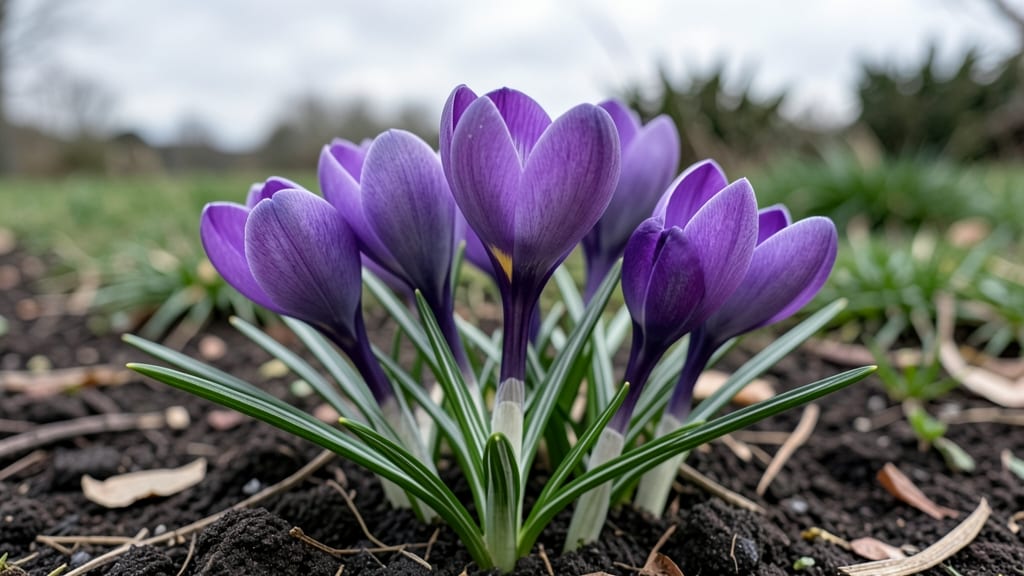
Crocus flowers are nature's early spring messengers, often blooming weeks before daffodils or tulips. Their bloom time varies dramatically across USDA hardiness zones, influenced by winter chill requirements and frost-free dates.
In Zone 3, for example, you might spot them as early as late February, while Zone 9 gardeners enjoy blooms in December or January. The key lies in understanding your zone's average last frost date and how it correlates with crocus dormancy cycles.
Most crocus varieties need 6-8 weeks of cold temperatures (below 40°F) to trigger blooming. This means if you plant in fall (September-October), they'll bloom earlier than spring-planted bulbs. Early varieties like 'Purple Striped' often appear 2-3 weeks before late bloomers such as 'Whitewell Purple'.
Microclimates—like south-facing slopes or urban heat islands—can shift bloom times by 1-2 weeks earlier or later.
In Zone 3-4, where winters are harsh, crocuses often bloom 3-4 weeks before tulips. The earliest bloomers, like 'Snow Bunting', may appear as soon as late February in protected microclimates.
Plant them in full sun with well-draining soil to avoid rot during thaw cycles. In these colder zones, fall planting (September) ensures they get adequate cold exposure for next spring's blooms.
Gardeners in Zone 5-6 typically see crocus blooms from early March to mid-April. The 'Purple Striped' variety is a crowd-pleaser, often blooming 2 weeks before daffodils. To extend the season, plant early and late varieties together.
For example, pair 'Snow Bunting' (early) with 'Blue Pearl' (late) for 6+ weeks of color. In these zones, spring-planted crocuses may bloom 1-2 weeks later than fall-planted ones.
Warmer Zone 7-8 regions enjoy crocus blooms from late January to early March, sometimes overlapping with winter holidays. Varieties like 'Annemarie' (pink) thrive here and often bloom 4-6 weeks before tulips.
Since these zones have milder winters, ensure your crocuses get some winter chill—either naturally or by chilling bulbs in the fridge for 6-8 weeks before planting. Mulch lightly in Zone 7 to protect from freeze-thaw cycles.
In Zone 9-10, crocuses may bloom as early as December, offering year-round color in mild climates. 'Blue Band' is a standout variety here, often blooming 2-3 times per year with proper care. Since these zones rarely have hard freezes, plant cro
How to extend crocus bloom season: forcing techniques and planting tips
Want those vibrant crocus blooms to appear earlier or last longer in your garden? The secret lies in strategic planting and forcing techniques that trick nature into delivering color when you need it most.
Unlike many spring flowers, crocus bulbs thrive with minimal fuss—but their bloom timing depends heavily on when and how you plant them.
Most gardeners plant crocus in fall (September-October) for spring blooms, but this timing isn’t set in stone. By adjusting planting depth, soil conditions, and even forcing indoors, you can coax blooms weeks earlier or stretch their season.
The key is understanding how cold stratification and light exposure trigger flowering in these hardy perennials.
- 1 Plant depth matters: Deeper (4-6 inches) = later blooms; shallower (2-3 inches) = earlier spring color.
- 2 Soil prep is critical: Amend with compost for drainage; avoid heavy clay which delays blooming.
- 3 Forcing indoors: Plant bulbs in pots in October, chill for 10-12 weeks, then move to light for 6-week winter blooms.
- 4 Companion plants help: Pair with heather or winter aconite to extend visual interest and protect bulbs.
- 5 Avoid these mistakes: Planting too late (after November), overwatering (waterlogged soil), or using fresh manure which burns roots.
For early spring blooms, plant crocus in late summer (August) instead of fall. The bulbs will undergo natural cold stratification over winter, resulting in flowers appearing 2-3 weeks earlier than traditional fall plantings. This works especially well in USDA zones 5-7 where winters are colder.
My favorite trick for indoor winter blooms is forcing crocus in containers. Start by planting bulbs in pots with well-draining soil in October. Place them in a cool, dark location (like a garage) for 10-12 weeks to mimic winter conditions.
Once buds form, move pots to a bright, cool room (50-60°F) and watch them bloom in 6 weeks—perfect for holiday cheer!
Don’t forget to deadhead spent blooms to encourage stronger next-year flowers. The foliage needs 6-8 weeks to photosynthesize and store energy for the bulb. If you cut it back too soon, you’ll sacrifice next season’s blooms.
For longer seasons, plant a mix of early (like 'Snow Bunting') and late varieties (like 'Pickwick') to stagger blooming times.
With these techniques, you can enjoy crocus blooms from December through April—proving that patience and proper prep pay off in a garden full of early color. The best part? These methods work for both garden beds and containers, making them versatile for any space. 🌷