
Flowers
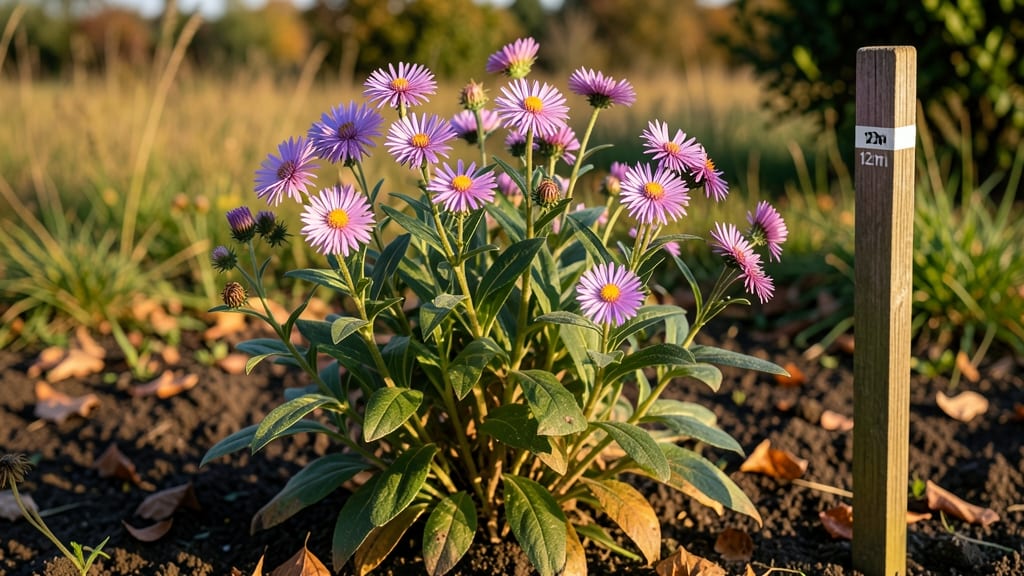
The aster flower height you choose can make or break your garden’s vertical drama—whether you’re dreaming of a lush border or a showstopping centerpiece. From 1-foot dwarf varieties that spill over containers to 6-foot giants reaching for the sky, these late-season bloomers offer endless design possibilities.
But without knowing their mature size, you might end up with a cramped bed or wasted space.
Let me show you how to pick the perfect aster for your space, from compact 🌸 varieties that thrive in tight spots to towering types that command attention.
We’ll break down height ranges by popular cultivars, plus pro tips for controlling growth—whether you’re pruning for shape or staking to prevent flopping. No more guessing whether that 3-foot aster will outgrow its neighbors!
Why does height matter? Because it dictates where you plant, what you pair it with, and even how much sunlight it gets. A 4-foot aster in the front row? That’s a recipe for shade struggles.
But place it at the back, and suddenly your garden has layers. I’ll walk you through spacing rules, companion plants, and when to intervene if your aster starts stretching too tall.
Ready to turn your garden into a height-balanced masterpiece? Whether you’re working with 6a zone conditions or a container on your patio, these insights will help you plan like a pro. Let’s get started!

Aster flower height by variety: compact to tall growth chart
Asters are one of the most versatile late-season bloomers, offering heights from just 1 foot to over 6 feet. Whether you're designing a small patio garden or a tall border, knowing the exact mature size helps you create stunning visual impact.
Some varieties stay low and bushy, while others reach skyward, making them perfect for backdrop plants or cut flower arrangements.
Below is a variety-specific height chart that includes mature height ranges, growth habits, and mature spread for popular aster types. This will help you plan spacing, companion plants, and even container gardening options for compact varieties.
🌱
| Variety | Mature Height (ft) | Growth Habit | Mature Spread (ft) | Best For |
|---|---|---|---|---|
| Aster novae-angliae 'Purple Dome' | 2–3 ft | Clumping | 2–3 ft | Borders, containers |
| Symphyotrichum dumosum 'Wood’s Blue' | 4–6 ft | Upright | 3–4 ft | Backdrop, cut flowers |
| Aster lateriflorus 'Lady in Blue' | 1–2 ft | Spreading | 1–2 ft | Ground cover, edges |
| Symphyotrichum novi-belgii 'Albert Chatham' | 3–4 ft | Clumping | 2–3 ft | Mid-border, cut flowers |
| Aster ericoides 'Snow Flurry' | 2–3 ft | Bushy | 2–3 ft | Containers, mass planting |
| Symphyotrichum laeve 'October Skies' | 3–5 ft | Upright | 2–3 ft | Back of border, wildflower gardens |
| Aster novae-angliae 'Andenken an Alma Potschke' | 4–5 ft | Clumping | 3–4 ft | Cut flowers, tall borders |
| Symphyotrichum oblongifolium 'Raydon’s Favorite' | 2–3 ft | Spreading | 2–3 ft | Rock gardens, edges |
| Aster divaricatus 'White Giant' | 2–3 ft | Clumping | 2–3 ft | Woodland gardens, shade |
| Symphyotrichum novae-angliae 'Harvest Moon' | 3–4 ft | Upright | 2–3 ft | Cut flowers, late-season color |
| Aster lateriflorus 'Horizon' | 1–2 ft | Spreading | 1–2 ft | Containers, small gardens |
| Symphyotrichum novae-angliae 'Vibrant Dome' | 2–3 ft | Compact | 2–3 ft | Patio pots, borders |
When planning your garden, consider how aster
How aster flower height affects garden design and spacing
Understanding aster flower height is the key to creating a garden that feels balanced and intentional. A 3-foot aster planted in the front row will flop over, while the same variety tucked at the back will shine as a backdrop plant.
The height of your asters determines not just their placement, but also how they interact with sunlight, air circulation, and neighboring plants.
For example, tall asters (4–6 ft) like Symphyotrichum novae-angliae ‘Andenken an Alma Potschke’ thrive in the back of borders where they can stretch toward the sky. Meanwhile, dwarf varieties (1–2 ft) such as Aster lateriflorus ‘Horizontalis’ make perfect foreground plants or container stars.
Even the soil type plays a role—aster roots in clay soil may struggle to reach their full height, while sandy soil can encourage leggier growth.
Here’s how to use aster height to your advantage in your garden design:
- 1
- 2
- 3
- 4
- 5
Height also influences how you prune asters. For example, tall varieties may need staking or cage support to prevent flopping, while dwarf types can be lightly trimmed to encourage bushier growth. If you’re working with limited space, consider pinching back young plants to promote branching and shorter stature.
Pro tip: Group asters by height in your garden plan to create visual layers. Start with tallest varieties (5–6 ft) in the back, then medium (2–3 ft) in the middle, and dwarf (1–2 ft) in the front.
This technique adds depth and makes your garden feel more three-dimensional. 🌸