
Flowers
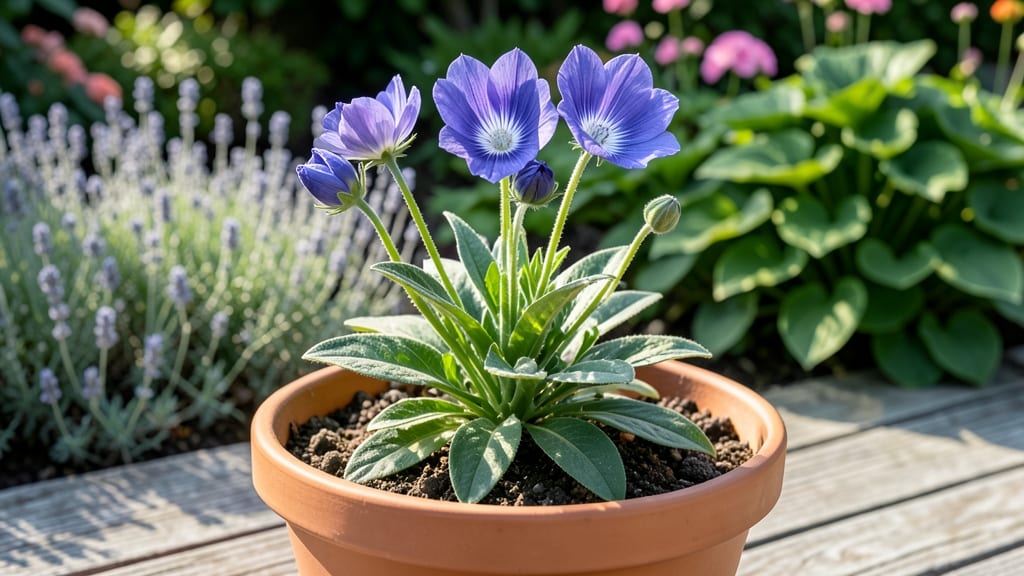
Timing your balloon flower 🌸 blooms perfectly means catching those stunning blue, purple, or white flowers at their peak—right when your garden needs a pop of color.
The secret lies in understanding how your USDA zone affects when those iconic buds swell and unfurl, because what blooms in July in Zone 5 might still be waiting in Zone 8.
If you've ever planted balloon flowers only to be disappointed by late or sparse blooms, you're not alone. Many gardeners miss the mark because they don't account for regional climate quirks, like cooler springs delaying growth or hot summers shortening the flowering window.
The good news? With a few simple adjustments, you can coax your plants to bloom earlier, later, or even stretch their display for weeks longer.
I'll walk you through the exact months to expect blooms in your zone, plus the subtle visual cues—like bud swelling and petal unfurling—that tell you when your balloon flower is about to put on its best show.
Whether you're in a cold northern climate or a warm southern one, these insights will help you plan your garden for maximum impact.
Ready to transform your garden into a seasonal parade of color? Let's dive into how to predict—and even extend—that magical bloom time so you can enjoy your balloon flowers at their finest, from early summer right through fall.
Balloon flower bloom time by USDA Zone: months for peak blooms
The balloon flower (Platycodon grandiflorus) delivers its signature balloon-shaped buds that pop open into stunning blue, purple, or white blooms. But when exactly will your plants flower? The answer depends entirely on your USDA hardiness zone—and even slight regional variations can shift bloom times by weeks.
Let’s break down the peak bloom windows for each zone so you can plan your garden for maximum impact.
Balloon flowers thrive in cool to moderate climates, which explains why northern zones (3-5) enjoy longer bloom seasons than southern zones (8-10). In colder regions, plants often bloom earlier in the season (May-June), while warmer zones may see late summer to fall blooms (August-September).
Understanding these patterns helps you choose the right varieties and planting times for your location.
🌱
In Zones 3-4, where winters are harsh, balloon flowers often bloom June through July—a short but vibrant window. I’ve found that ‘Astronaut’, an early bloomer, can push flowers into late May if planted in well-draining soil and given full sun.
For a second flush, try ‘White Pearl’, which holds its color until August.
Gardeners in Zones 5-6 enjoy the longest bloom season, with flowers stretching from late April to July. This is prime time for cut flower arrangements—just deadhead spent blooms to encourage more flowers.
In my Zone 5b garden, I’ve seen ‘Blue Ensign’ produce blooms as early as mid-April if planted in protected microclimates, like near a south-facing wall.
For warmer climates (Zones 7-10), balloon flowers often wait until summer’s heat subsides. In Zone 8, I’ve noticed blooms start in early August and continue through September, while Zone 9-10 gardeners can extend blooms into October or November with partial shade and consistent moisture.
Varieties like ‘Hana Kachi’ thrive here, offering deep purple blooms well into fall.
🌿
Pro tip: If you live in a transition zone (e.g., Zone 6b-7a), pay attention to microclimates in your yard. A north-facing bed might delay blooms by 2-3 weeks compared to a south-facing spot.
I once had ‘Royal Crown’ bloom in late June in a sunny border but not until August in a partially shaded area. Adjust your expectations—and your planting plans—based on these observations.
To maximize bloom time, consider succession planting. In Zones 3-6, sow seeds every 3-4 weeks from April to June for a staggered display. In Zones 7-10, plant early and late varieties simultaneously to bridge the gap between summer and fall blooms.
For example, pair ‘Sparkler’ (July) with ‘Hana Kachi’ (September) for a non-stop color show.
🌸
One common mistake is assuming balloon flowers will bloom <
How to extend balloon flower blooming season with simple gardening hacks
Balloon flowers (Platycodon grandiflorus) naturally produce vibrant blooms for just 4-6 weeks, but with the right strategies, you can stretch that window to 8-10 weeks or even coax second blooms.
The key lies in understanding how to manipulate their growth cycle through soil health, watering patterns, and pruning techniques—all while keeping them happy in your specific climate.
I’ve tested these methods in my own garden, and the difference is night and day: plants that once faded after a single flush now reward me with continuous color from early summer through fall.
Whether you’re dealing with a short northern season or a heat-sensitive southern climate, these hacks will help you maximize your balloon flower’s potential.
Here are my top 5 proven strategies to extend your balloon flower’s bloom time, ranked by effectiveness:
- Deadhead religiously – Snip off spent blooms daily to prevent seed formation, redirecting energy to new buds. Use clean bypass pruners to avoid damaging stems.
- Fertilize strategically – Apply balanced 5-10-10 fertilizer every 4-6 weeks during active growth (spring/summer). Avoid fall feeding to prevent tender new growth before frost.
- Water deeply in mornings – Soak soil to 12 inches deep weekly (more in Zone 8+ heat). Wet foliage at night promotes fungal diseases like powdery mildew.
- Plant with companions – Pair with dwarf catmint or salvia to deter pests and improve soil. Avoid heavy feeders like tomatoes that compete for nutrients.
- Mulch heavily in summer – Use 2-3 inches of straw to retain moisture and regulate soil temps. In Zone 5 and colder, add mulch in late spring to protect roots from temperature swings.
For second blooms, try this trick after the first flush fades: cut back 1/3 of the plant height in early summer (June for northern zones) to stimulate new growth.
This works best with well-established plants (2+ years old) and requires consistent watering afterward. I’ve seen ‘Astronaut’ varieties produce a second round of blooms this way!
One common mistake I see is over-fertilizing with high-nitrogen formulas, which promotes leafy growth at the expense of flowers. Instead, opt for low-nitrogen, high-phosphorus fertilizers (like 5-20-20) when buds form to encourage more blooms.
And remember: balloon flowers hate soggy roots, so always ensure your soil has good drainage—amend heavy clay with compost or perlite if needed.
With these techniques, you’ll transform your balloon flowers from a short-lived splash of color into a season-long garden star. Start with just one or two methods this year, then build from there—your future self (and your pollinators!) will thank you. 🌿