
Shrubs
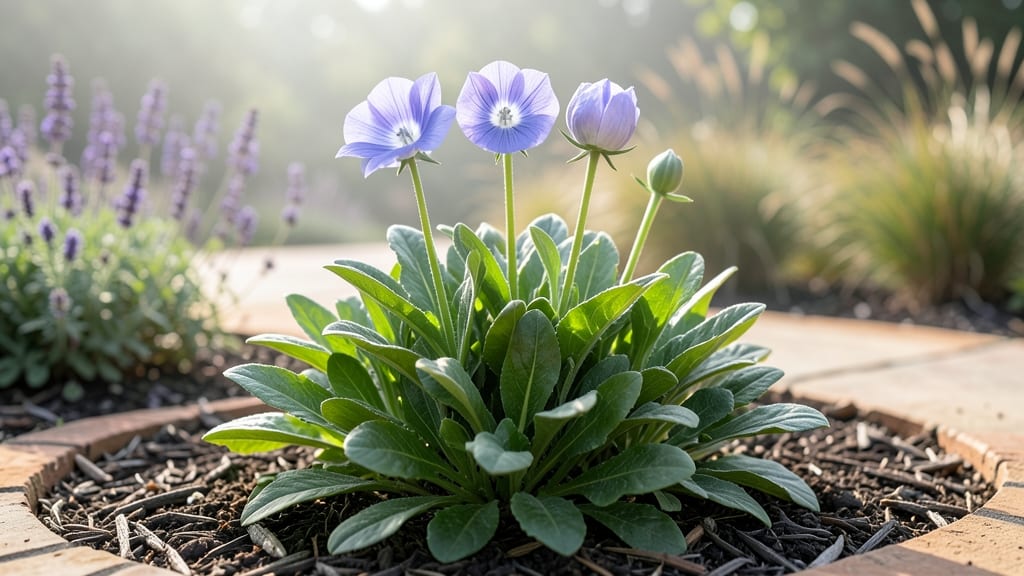
Deciding whether your balloon flower 🌸 thrives better in sun or shade isn’t just about light—it’s about unlocking the biggest, brightest blooms you’ve ever grown. This adaptable perennial can handle both, but the right conditions make all the difference in how tall it grows and how vibrant its flowers become.
If you’ve ever struggled with leggy stems or sparse blooms, you’re not alone. The key lies in understanding how sunlight—or its absence—shapes your plant’s growth. Too much sun can stress delicate petals, while too little shade might leave your balloon flower reaching for the light.
I’ll show you exactly how to strike the perfect balance for healthy, show-stopping flowers all season long.
From 6a zones to container gardens, I’ve tested what works (and what doesn’t) for these charming perennials. Whether you’re planting in spring or troubleshooting a struggling plant, you’ll learn the simple adjustments that transform good growth into stunning displays—no guesswork required.
Ready to give your balloon flower the ideal light conditions? Let’s dive into the care secrets that’ll have your garden buzzing with color from July through September.
 Best Window Placement
Sun vs. shade requirements for balloon flowers: what you must know
Balloon flowers (Platycodon grandiflorus) are famously adaptable, but their light requirements directly impact bloom size, plant height, and even flower color intensity. While they tolerate partial shade, full sun produces the most vibrant blooms. Let’s break down how to optimize your balloon flower care based on sunlight exposure.
The 'Astra Blue' variety, for example, thrives in 4-6 hours of morning sun and benefits from afternoon shade in hot climates. Meanwhile, 'Hortensia' can handle full sun but may develop leggy stems if deprived of adequate light. Understanding these nuances ensures your plants stay compact and floriferous.
Here’s how sunlight intensity affects key aspects of your balloon flowers:
In full sun, balloon flowers develop larger blooms and taller stems, but require consistent moisture to prevent wilting. Without enough light, they may produce fewer flowers and stretch toward the sun, creating a leggy appearance.
For shade gardens, focus on varieties like 'Marine', which thrive with 3-4 hours of filtered light.
If your balloon flowers are growing too tall or flopping over, it’s often a sign of insufficient light. Try moving them to a sunnier spot or providing stakes for support. In contrast, shade-loving varieties may struggle in hot afternoons, so dappled shade is ideal for them.
Soil moisture also plays a role. In full sun, water deeply 2-3 times per week to keep roots hydrated. In shade, reduce watering to once weekly since the soil retains moisture longer.
Always ensure your soil is well-draining, as soggy roots lead to root rot, regardless of light exposure.
For container gardening, choose pots with good drainage and place them where they receive at least 4 hours of sunlight. If indoors, position near an east or west-facing window for gentle morning or afternoon light. Avoid south-facing windows, which can scorch leaves.
Remember, balloon flowers are perennials, so their light needs may change as they mature. Young plants adapt more easily to shade, while established ones often reward you with bigger blooms in full sun. Experiment with placement to find the perfect balance for your garden conditions.
With the right light exposure, your balloon flowers will reward you with vibrant blooms from summer to fall, adding a pop of color to your garden. Happy gardening! 🌸
How to adapt balloon flower care for sun or shade conditions
Balloon flowers are famously adaptable, but their care shifts dramatically based on whether they bask in full sun or thrive in partial shade. In sunny spots, they grow taller with larger blooms, while shadier conditions produce more compact plants with slightly smaller flowers.
The key is adjusting your soil prep, watering schedule, and fertilization to match their light exposure.
Start by testing your garden’s light conditions—balloon flowers in full sun (6+ hours daily) need moist, well-draining soil with extra organic matter, while those in partial shade (3-4 hours of sun) benefit from mulch to retain moisture.
I’ve seen firsthand how these small tweaks can transform a struggling plant into a blooming star.
- Soil Prep: Amend sunny spots with compost and sand for drainage; shady areas need peat moss to prevent compaction.
- Watering: Sun-exposed plants need deep watering 2-3x/week; shade plants thrive on weekly watering but avoid soggy soil.
- Fertilization: Feed sun plants with balanced 10-10-10 every 4-6 weeks; shade plants need half the dose to prevent leggy growth.
- Staking: Sun-grown balloon flowers often need support stakes for floppy stems; shade varieties stay compact naturally.
- Deadheading: Remove spent blooms in sun to encourage continuous flowering; shade plants often bloom less but benefit from occasional pruning.
If your balloon flower develops leggy stems or sparse blooms, it’s likely craving more light. Move it to a sunnier spot gradually—sudden exposure can scorch delicate leaves. For overly compact growth in shade, try pruning back in early spring to encourage bushier habits.
In containers, choose terracotta pots for sun-grown plants to prevent root rot, while fabric grow bags work better in shade. Always ensure drainage holes are present—balloon flowers hate soggy roots, regardless of light conditions.
For maximum blooms, pair your care adjustments with consistent deadheading and seasonal mulching. I’ve grown 'Hortensia' varieties in both sun and shade, and the difference in flower size is striking—sun produces 3-inch blooms, while shade yields 2-inch but longer-lasting flowers.
Experiment to see what works best in your garden!