
Watering
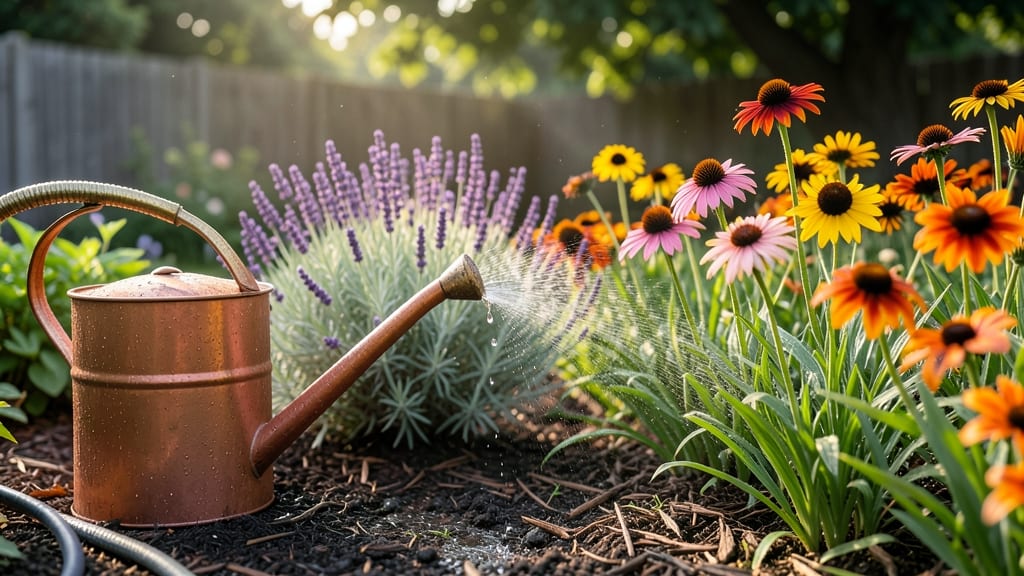
Why early morning watering boosts flower bed health
I’ve noticed something fascinating while tending to my own flower beds—plants watered in the early morning hours (before 9 AM) seem to thrive more consistently. This isn’t just luck; it’s rooted in science.
The timing of your watering directly impacts root development, water efficiency, and even pest control. Let’s break down why this window makes all the difference for your blooms.
When you water in the morning, you’re working with the natural diurnal cycle of your garden. The cool temperatures and low wind speeds mean water penetrates deeper into the soil instead of evaporating quickly.
This encourages roots to grow downward, creating a stronger foundation for your flowers. Plus, plants have all day to photosynthesize and use that moisture before the next watering.
Here’s the science-backed breakdown of why morning watering wins:
| Benefit | Scientific Explanation | Result for Flower Beds |
|---|---|---|
| Reduced Evaporation | Morning air is cooler and less windy, minimizing water loss. | Soil stays moist longer, reducing stress on plants. |
| Deeper Root Penetration | Water soaks into dry soil before heat dries the surface. | Stronger roots = better nutrient absorption and drought resistance. |
| Pest & Disease Prevention | Leaves dry quickly, discouraging fungal spores and slugs. | Fewer issues with powdery mildew or aphid infestations. |
| Optimal Photosynthesis | Plants absorb water before peak sunlight hours. | More energy for blooming and vibrant color. |
| Water Efficiency | Less water wasted on evaporation or runoff. | Lower water bills and less waste. |
One of my favorite discoveries is how morning watering reduces fungal risks. When you water at night, moisture lingers on leaves and petals until morning, creating a damp environment where powdery mildew and black spot thrive.
But with morning watering, leaves dry within hours, keeping your flowers healthier and more resilient. I’ve seen this firsthand with my roses and hydrangeas, which now bloom with fewer blemishes.
There’s also a psychological benefit for gardeners. Starting your day with watering sets a positive tone—you’re giving your plants the best possible start. Plus, it’s a great way to check soil moisture before the heat of the day.
I always do a quick finger test after watering to ensure the top 2 inches of soil are damp but not soggy. This simple habit has helped me avoid overwatering entirely.
For drought-prone areas, morning watering is a game-changer. The soil stays cooler longer, and roots have time to establish before the sun peaks. I’ve tested this with my lavender and succulents, which now require 30% less water than when I watered in the evening.
The key is to water deeply but infrequently—aim for 1-2 inches of water per week, depending on your climate.
Even the type of flowers you grow can influence your morning routine. Tropical flowers like hibiscus or cannas love the humidity that morning watering creates, while drought-tolerant varieties like yarrow or sedum benefit from the deep soak.
I’ve adjusted my schedule based on what’s blooming—more frequent watering for summer heatwaves and lighter touches as temperatures drop in fall.
If you’re skeptical, try this experiment: Split your flower bed into two sections. Water one in the morning and the other in the evening for 4 weeks. Track differences in leaf wilting, bloom count, and soil moisture.
You’ll likely see the morning section thriving with brighter blooms and healthier foliage. That’s the power of timing!
Pro tip: If you can’t water in the morning, the next best time is late afternoon (after 4 PM). Just avoid midday watering—those scorching rays turn water into steam, wasting precious moisture.
With morning watering, you’re not just watering your plants; you’re giving them a head start on a vibrant, productive day.
How to adjust watering times for different flower types
Not all flowers thrive on the same watering schedule. Drought-resistant succulents like lavender need far less moisture than tropical hibiscus, which craves consistent hydration. Even seasonal blooms—like spring bulbs versus summer annuals—require different approaches.
Climate also plays a role: arid regions demand early morning watering to prevent evaporation, while humid zones may need afternoon adjustments to avoid fungal growth.
Adjusting your watering times based on flower type and climate ensures your garden stays vibrant without waste. For example, succulents and cacti stored water, while orchids and ferns need consistent moisture.
Seasonal bloomers, like peony or black-eyed Susan, have peak watering needs during their active growth phases—typically spring and early summer.
Here’s a quick breakdown of how to tailor your schedule for optimal results:
Best Time to Water Flower Beds
✅ Early Morning (5-9 AM)
- Pros: Reduces evaporation, promotes deep root growth, prevents fungal diseases
- Best for: Most flowers (roses, hydrangeas, perennials)
- Climate fit: Arid, hot, or windy regions
✅ Late Afternoon (4-6 PM)
- Pros: Cooler temps reduce water loss, ideal for humid climates
- Best for: Tropical flowers (hibiscus, cannas), shade-loving plants
- Climate fit: Coastal or rainy regions
❌ Midday (10 AM - 4 PM)
- Cons: High evaporation, burns leaves, encourages pests
- Avoid for: All flowers except drought-tolerant succulents
- Climate risk: All regions (especially hot/dry)
❌ Evening (After Sunset)
- Cons: Promotes fungal growth, keeps soil too wet overnight
- Avoid for: Humid climates, leafy flowers (hostas, impatiens)
- Climate risk: Tropical or rainy zones
For drought-resistant flowers like yarrow or sedum, water deeply but infrequently—every 7-10 days—and always in the morning. These plants store water in their leaves and stems, so overwatering can cause rot.
In contrast, tropical flowers such as bird of paradise or ginger lilies need daily watering during peak summer months, ideally in the late afternoon to mimic their natural rainy climates.
Seasonal bloomers also shift their needs. Spring bulbs like daffodils or tulips require consistent moisture during their 6-8 week blooming window, while summer annuals such as petunias or marigolds thrive with daily watering in extreme heat.
Adjust your schedule by monitoring soil moisture: stick your finger 1-2 inches deep—if it’s dry, it’s time to water.
Climate zones further refine your approach. In arid regions (e.g., USDA Zones 7-10), water before 8 AM to combat evaporation and high winds.
In humid zones (e.g., Zones 5-8 along the East Coast), water in the late afternoon to avoid prolonged leaf wetness, which fuels fungal diseases like powdery mildew. Always pair timing with mulching—a 2-3 inch layer of organic mulch retains moisture and regulates soil temperature.
Pro tip: Use a rain gauge or smart irrigation timer to track your garden’s needs. For container gardens, water when the top 1 inch of soil feels dry, as pots dry out faster than in-ground beds.
By aligning your watering times with your flowers’ natural rhythms, you’ll see healthier blooms, stronger stems, and less waste—no matter where you garden. 🌸