
Flowers
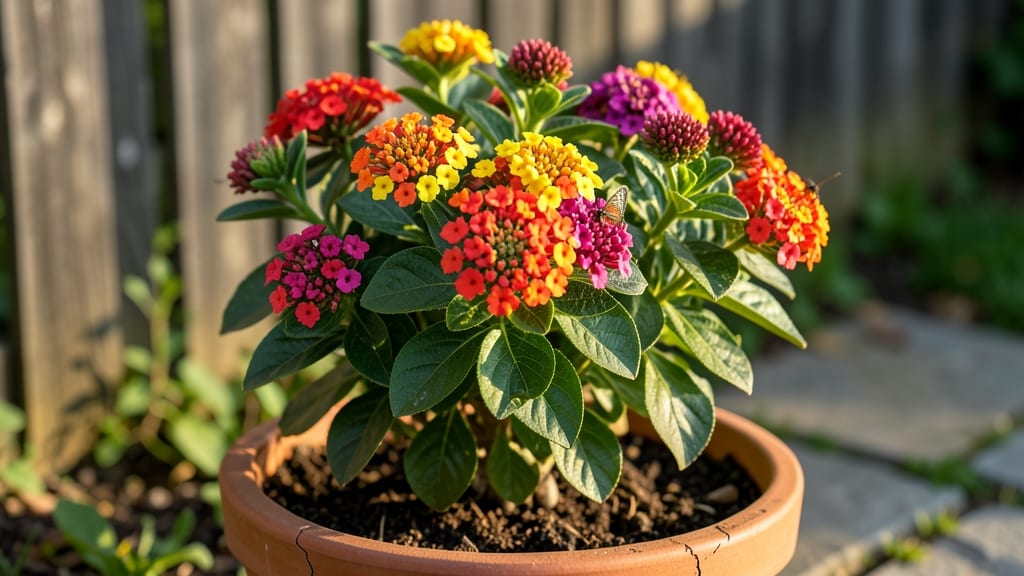
There's nothing quite like watching a butterfly on lantana flowers—their delicate wings dusted with pollen as they flit from bloom to bloom. This isn't just a pretty scene; it's proof that your garden can become a buzzing, fluttering ecosystem with minimal effort.
Lantana 🌸 isn't just another pretty face in the garden—it's a powerhouse for pollinators. With its long-lasting clusters of tiny flowers, it attracts 15+ butterfly species, turning your outdoor space into a living butterfly buffet.
Whether you're a seasoned gardener or just starting out, this hardy shrub makes creating a pollinator paradise easier than you think.
But here's the best part: you don't need a green thumb to make it happen. I'll show you exactly how to plant, place, and pair lantana with companion plants to maximize those winged visitors.
From choosing the right location to understanding which butterflies will stop by, we'll cover all the secrets to a thriving butterfly garden.
Ready to transform your yard into a vibrant sanctuary? Let's dive into the simple steps that'll have butterflies landing on your lantana in no time—because a garden without butterflies is missing its most beautiful guests.
Why lantana flowers are the ultimate butterfly magnet
Lantana flowers aren’t just pretty—they’re packed with nectar-rich blooms that act like a neon sign for butterflies. These hardy shrubs produce tiny tubular flowers loaded with sugars, making them a favorite pollinator buffet for 15+ butterfly species.
The secret lies in their extended flowering season, which keeps butterflies visiting from spring through fall.
Unlike many flowers that bloom for just a few weeks, lantana produces clusters of colorful blooms continuously. This means fresh nectar is always available, attracting butterflies daily rather than sporadically. The flowers also release fragrant compounds that guide butterflies from a distance, creating a self-sustaining ecosystem in your garden.
| Feature | Why Butterflies Love It |
|---|---|
| Nectar Content | High sugar concentration in tiny flowers |
| Flowering Season | Spring to frost (continuous blooms) |
| Flower Shape | Tubular blooms perfect for butterfly proboscis |
| Color Variety | Yellow, orange, pink, purple (visible from distance) |
| Fragrance | Subtle scent attracts butterflies at dawn/dusk |
| Host Plant Status | Larval food for some species (e.g., Buckeye) |
Butterflies prefer lantana over other flowers because of its accessible nectar. The tubular shape of lantana blooms allows butterflies to sip nectar without struggling, unlike deeper flowers that require longer proboscises. This effortless feeding makes lantana a top choice for Gulf Fritillaries, Monarchs, and Painted Ladies.
The color spectrum of lantana—ranging from bright yellow to deep purple—also plays a role. Butterflies see ultraviolet patterns invisible to humans, which guide them to the most rewarding flowers. Lantana’s multi-colored clusters create a visual feast that’s impossible to resist.
Another key advantage is lantana’s drought tolerance. Unlike many nectar-rich plants that wilt in heat, lantana thrives in full sun and dry conditions, making it a reliable butterfly food source even during summer droughts. This consistency ensures butterflies have a reliable food source when other flowers fail.
Lantana’s extended blooming period (up to 10 months in warm climates) means butterflies can time their migrations around its availability. For example, Monarchs use lantana as a pit stop during their 3,000-mile migration, refueling before crossing the Gulf of Mexico.
This makes your garden a critical waystation for these iconic pollinators.
Even the flower structure of lantana works in butterflies’ favor. Each cluster contains dozens of tiny flowers, ensuring a continuous nectar supply as older blooms fade and new ones open. This self-renewing system keeps butterflies returning daily, unlike single-bloom flowers that offer only temporary rewards.
For gardeners in USDA Zones 6-11, lantana’s adaptability is a game-changer. It thrives in poor soil, requires minimal water, and self-seeds to create dense butterfly-friendly thickets. This makes it the low-maintenance superstar of pollinator gardens, outperforming many high-maintenance alternatives.
If you’ve ever wondered why your lantana seems to have a butterfly traffic jam, it’s not coincidence—it’s evolutionary biology. Lantana’s co-evolution with butterflies has perfected this relationship, making it the ultimate pollinator partnership in any garden.
15+ Butterfly species you’ll attract to lantana flowers
When you plant lantana, you’re essentially inviting a butterfly buffet to your garden. The orange-and-black Gulf Fritillary is one of the first visitors you’ll spot, especially in southern gardens. These medium-sized butterflies with jagged wings are drawn to lantana’s bright orange blooms, which mimic their natural host plants.
In Texas and Florida, Gulf Fritillaries often become year-round residents, while in cooler climates, they arrive in late spring and stay through summer.
Don’t overlook the Monarch butterfly, the iconic orange-and-black traveler that relies on lantana as a migration pit stop. During their 3,000-mile journey, Monarchs use lantana’s nectar to fuel up before crossing the Gulf of Mexico.
In California and the Southwest, they’re a common sight from August through October, while in the Midwest, they appear in late summer.
- 🦋 Gulf Fritillary: Orange wings with black jagged edges; loves orange lantana varieties
- 🦋 Monarch: Iconic orange-and-black; uses lantana for migration fuel
- 🦋 Painted Lady: Speckled orange wings; thrives in cooler climates
- 🦋 Buckeye: Eye-spotted wings; lays eggs on lantana leaves
- 🦋 Clouded Sulphur: Bright yellow; common in eastern gardens
The Painted Lady, with its speckled orange wings, is another frequent visitor, especially in northern gardens. Unlike Monarchs, Painted Ladies don’t migrate—they overwinter as adults and appear in early spring and fall.
Their numbers can explode during population booms, turning your lantana into a fluttering orange cloud. In Pacific Northwest gardens, they’re often the first butterflies to arrive in March.
If you notice small black-and-white butterflies with eye-like spots on their wings, you’ve met the Buckeye. This species is unique because its larvae feed on lantana leaves, making your plants both a nectar source and host plant.
Buckeyes thrive in shady gardens and are most active in morning sunlight. In Appalachian regions, they’re a year-round resident, while in California, they appear in spring and fall.
The Clouded Sulphur, with its bright yellow wings, is a common eastern gardener favorite. These butterflies are fast fliers and often visit lantana in large groups. They prefer yellow lantana varieties and are most active in warm, sunny days.
In New England, they emerge in late May and stay through September, while in Florida, they’re present year-round.
For western gardeners, keep an eye out for the Anise Swallowtail, which has blue-tipped wings and a distinctive black-and-white pattern. These butterflies are drawn to purple lantana varieties and are most active in late summer.
In Arizona and New Mexico, they’re a common sight from July through October, often sharing space with Monarchs on the same lantana bush.
To maximize your butterfly diversity, plant multiple lantana colors—orange, yellow, pink, and purple. Each color attracts different species, creating a multi-species butterfly party. For example, orange lantana draws Gulf Fritillaries, while purple varieties attract Anise Swallowtails.
By strategically placing lantana near water sources and host plants, you’ll turn your garden into a butterfly hotspot that keeps them coming back all season.