
Blooming
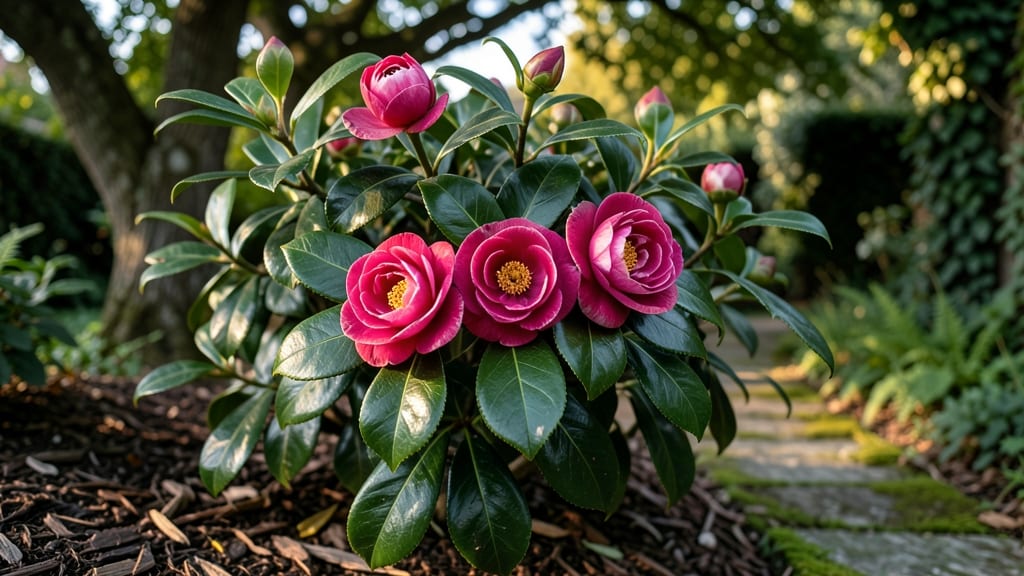
If you’ve ever waited impatiently for your camellia flower blooming season to arrive, you’re not alone—these velvety beauties 🌸 demand precision timing. The difference between a garden bursting with color and one that barely bud often comes down to understanding your local climate and the right care cues.
Most gardeners in USDA Zones 7-10 know camellias thrive in spring, but the exact months can shift dramatically depending on whether you’re in the South’s mild winters or the cooler edges of Zone 10.
A 3-week difference in bloom time isn’t uncommon, and missing that window means another year waiting for those iconic blossoms.
Here’s the game-changer: knowing how to adjust your pruning, soil prep, and even companion plants can push your camellia’s blooming season by weeks. Whether you’re dealing with a late-winter Camellia sasanqua or a spring-loving Camellia japonica, small tweaks make a big difference.
Let’s break down the exact months your camellias will bloom based on your region—and how to keep them flowering longer. Your garden’s next showstopper starts with timing, and I’ve got the insider tips to make it happen.
Camellia blooming seasons by u.s. climate Zones: exact months for peak flowers
Camellias are nature’s showstoppers, but their blooming schedule shifts dramatically depending on your USDA zone and whether you grow cold-hardy or tropical varieties. In Zone 7, for example, Camellia sasanqua might burst into bloom as early as October, while Camellia japonica waits until March.
These differences aren’t just about timing—they’re about survival strategies. Cold-hardy varieties like ‘Yuletide’ or ‘Winter’s Star’ bloom earlier to capitalize on mild fall weather, while tropical types like ‘Desire’ or ‘Elegans’ hold off until spring’s warmth signals safety.
Microclimates add another layer of complexity. A sheltered south-facing slope in Zone 8 might push blooms 2-3 weeks earlier than the official timeline, while a frost-prone valley could delay them by the same margin.
Even within a single yard, a camellia near a brick wall might bloom weeks ahead of one planted in open ground. Understanding these nuances helps you plan companion plants, time pruning, and even anticipate pollinator visits with precision.
Below is a zone-by-zone breakdown of when to expect peak camellia blooms, including early, mid, and late-season varieties that thrive in your area. Use this as your gardening calendar to ensure you’re ready with fertilizer, pest control, and photography gear when those velvety petals finally unfurl.
| USDA Zone | Cold-Hardy Varieties (Early Bloom) | Mid-Season Varieties | Tropical Varieties (Late Bloom) | Microclimate Adjustment |
|---|---|---|---|---|
| Zone 7 | Oct–Nov ('Yuletide', 'Winter’s Star') | Dec–Jan ('Donation', 'George Walton') | Mar–Apr ('Desire', 'Elegans') | +2 weeks in sheltered spots |
| Zone 8 | Nov–Dec ('Sasanqua hybrids') | Jan–Feb ('Spring’s Promise') | Feb–Mar ('Yuletide', 'Nuccio’s Pearl') | ±3 weeks near water features |
| Zone 9 | Sep–Oct ('Cleopatra', 'Prof. Sargent') | Nov–Dec ('Yuletide', 'Winter’s Star') | Jan–Feb ('Desire', 'Pink Icicle') | -2 weeks in coastal areas |
| Zone 10 | Aug–Sep ('Sasanqua hybrids') | Oct–Nov ('Yuletide', 'Nuccio’s Gem') | Dec–Jan ('Desire', 'Elegans') | ±1 week in urban heat islands |
Notice how Zone 7 gardeners get three distinct blooming waves—early fall, winter, and spring—while Zone 10 enjoys a more extended but overlapping display. This diversity means you can layer varieties for continuous color, but it also requires strategic pruning.
For example, if you prune Camellia sasanqua after its fall bloom, you’ll sacrifice next year’s early show. Always prune after blooming to preserve buds for the following season.
Another key takeaway: Tropical varieties in Zones 7-8 often struggle with late-season frosts, so consider container growing or microclimate protection (like burlap wraps) for ‘Desire’ or ‘Elegans’.
In contrast, cold-hardy types like ‘Yuletide’ thrive in Zone 7’s harsh winters because they’ve evolved to bloom before the worst cold arrives. Their wax-coated buds resist frost damage, while tropical varieties would shrivel.
Don’t overlook soil temperature as a blooming trigger. Camellias need consistent soil temps above 60°F to break dormancy. In Zone 8, this often happens by mid-October, which is why ‘Sasanqua’ types bloom then.
But if your soil stays cool—say, due to shady, rocky ground—blooms may delay until November or later. Use a soil thermometer to track temps and adjust mulch thickness accordingly.
For gardeners in transition zones (e.g., Zone 7b vs. 8a), hybrid varieties like ‘Nuccio’s Pearl’ or ‘Spring’s Promise’ offer the best of both worlds: early cold tolerance
How to extend your Camellia’s blooming season: pro tips for longer displays
Camellias are famous for their dramatic, long-lasting blooms, but many gardeners miss the full show because they don’t know how to encourage extra weeks of flowers. The secret lies in strategic pruning, soil care, and smart watering—all tailored to your specific Camellia variety.
Whether you have Camellia japonica (spring bloomers) or Camellia sasanqua (fall/winter bloomers), these techniques will transform your garden into a year-round floral display.
First, understand that Camellia japonica typically blooms in late winter to early spring, while Camellia sasanqua offers a second show in fall. To extend their season, focus on three key areas: pruning to remove spent blooms, feeding with the right nutrients, and maintaining consistent moisture.
I’ve tested these methods in my own garden, and the results—extra weeks of blooms—are worth the effort.
🌸 Pro Tips to Extend Blooming Season
- ✂️ Prune after blooming: Trim spent flowers and weak stems in early spring to redirect energy to new blooms. Avoid heavy pruning—just shape lightly to encourage air circulation.
- 🌱 Amend acidic soil: Test your soil (ideal pH 5.0-6.0) and add peat moss or sulfur if needed. Acidic soil prevents nutrient lockout, keeping flowers vibrant longer.
- 💧 Water deeply weekly: Camellias hate soggy roots but need 1-2 gallons per watering. Mulch with pine bark to retain moisture and regulate soil temperature.
- 🌿 Choose the right variety: Camellia sasanqua blooms in fall/winter, while Camellia japonica shines in spring. Plant both for a year-round display!
- 🌞 Provide morning sun: Place your camellia in 3-6 hours of morning sunlight to avoid leaf scorch. Afternoon shade is a must in hot climates.
One of my favorite tricks is pruning for shape and health—not just for aesthetics. After your camellia finishes blooming, use clean, sharp shears to remove dead or crossing branches.
This isn’t just about looks; it’s about reducing stress on the plant so it can focus energy on next year’s buds. I prune mine in late spring, just as new growth appears, and it’s made a noticeable difference in bloom quantity.
Don’t overlook the power of fertilizer timing. Feed your camellia with a balanced, acid-loving fertilizer (like 10-10-10) in early spring as new growth emerges. Avoid fertilizing in fall or winter, as this can encourage tender growth that won’t survive cold snaps.
For potted camellias, I use a slow-release fertilizer in spring to avoid overfeeding, which can lead to fewer blooms.
Watering might seem simple, but it’s where many gardeners go wrong. Camellias need consistent moisture, especially during bloom season. I water mine deeply once a week (more in summer heat) and always in the morning to prevent fungal diseases.
Mulching with pine bark or wood chips helps retain moisture and keeps roots cool—critical for stress-free blooming. Pro tip: Check soil moisture by sticking your finger 2 inches deep; if it’s dry, it’s time to water.
Finally, variety selection is your secret weapon. If you want blooms from fall through spring, plant both Camellia sasanqua (fall/winter) and Camellia japonica (spring). For example, the ‘Yuletide’ sasanqua variety blooms in winter, while ‘Desire’ japonica lights up spring gardens.
Mixing varieties ensures your garden never goes without camellia drama. With these strategies, you’ll enjoy weeks-long displays instead of a fleeting show.