
Watering
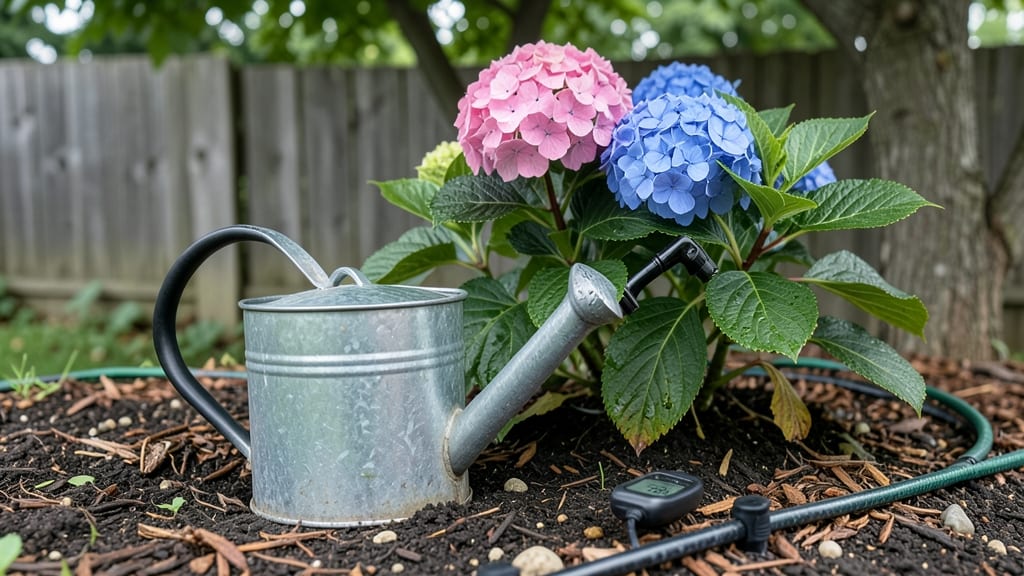
How often should you water flowers (and when daily watering is harmful)
Watering flowers can feel like a guessing game—too little, and they wilt; too much, and their roots rot. The key lies in understanding your plants' needs. Most flowers thrive with deep, infrequent watering rather than daily shallow drinks, but annuals vs. perennials and soil type change the rules.
For example, thirsty petunias may need daily water in summer, while drought-tolerant lavender can survive weeks without it.
Daily watering becomes harmful when it creates waterlogged soil, cutting off oxygen to roots. This is especially true for container-grown flowers, where pots dry out faster but also trap excess moisture.
Even well-draining soil can become problematic if you water at the wrong time—like in the evening, when moisture lingers on leaves and invites fungal diseases.
Here’s the science-backed breakdown of when to water, when to hold back, and how to spot the difference between thirsty and drowning flowers:
Seasonal shifts demand flexibility. In spring and fall, most flowers need water every 2-3 days because cooler temps slow evaporation. But summer heat can dry out soil in just 24 hours, especially for shallow-rooted annuals.
A simple trick? Water early in the morning to reduce evaporation and fungal risks.
Soil type plays a huge role. Clay soil holds moisture longer, while sandy soil drains quickly. Amend heavy soil with compost to improve drainage, and mulch around plants to retain moisture without suffocating roots.
If your flowers are in containers, choose pots with drainage holes and use cactus/succulent mix for drought-lovers.
Watch for these overwatering warning signs: yellowing leaves, moldy soil, or stems that feel mushy when squeezed. Underwatered flowers often show crispy edges or droop that doesn’t recover after watering. The key is to water deeply—soaking the root zone—rather than giving shallow drinks that encourage shallow roots.
If you’re unsure, observe your flowers’ natural rhythm. Many perennials store water in their roots and can go weeks without supplemental water once established. Annuals, however, are hungrier and may need daily attention in peak summer. Always prioritize morning watering to let foliage dry out during the day.
Remember: daily watering isn’t always harmful—it’s the method that matters. Use a soaker hose or drip irrigation to deliver water directly to roots, avoiding wet leaves. And when in doubt, let the soil guide you. A finger test beats guesswork every time.
5 Signs your flowers need less (or more) water than you’re giving
Your flowers speak volumes through subtle cues—yellowing leaves, mushy stems, or crispy edges all reveal their hydration needs. Unlike succulents that store water, thirsty roses or petunias wilt dramatically when dehydrated. The key? Learn to read these visual signals before your watering schedule becomes a guessing game.
Overwatering is the silent killer—root rot sets in faster than wilting from drought. A simple soil test (stick your finger 1-2 inches deep) tells you everything. If it feels damp, hold off.
If it’s bone-dry, your flowers are screaming for a drink. But here’s the catch: clay soil stays wet longer than sandy mixes, so adjust your routine accordingly.
Overwatering! Roots suffocate, causing chlorosis. Let soil dry 50% between waterings.
Underwatering! Succulents and lavender can handle this, but petunias need daily water in heat.
Root rot from soggy soil. Repot in well-draining mix and reduce water to every 3-4 days.
Thirsty signal! Water deeply in the morning to avoid fungal risks.
Overwatering + humidity. Prune affected areas and space plants for airflow.
Take roses, for example—they crave consistent moisture but despise soggy roots. If their leaves curl and stems feel limp, water deeply until it drains from the pot’s bottom.
For succulents, though, a weekly sip is plenty; their wrinkled leaves are a cry for help, not a call for more H₂O.
Don’t ignore the soil’s texture—clump it in your hand. If it crumbles easily, your flowers are parched.
If it sticks together like wet sand, pause watering. Mulch helps regulate moisture, but even it can’t save you from drowning delicate blooms like orchids, which need indirect light and humidity over hydration.
Pro tip: Use a moisture meter for container gardens. Pots dry out faster than garden beds, so daily checks prevent both overwatering and underwatering. Adjust your routine seasonally—summer heat demands more, while winter rains might mean skipping water entirely.
Trust your flowers’ instincts. They’ll tell you when to hold back or reach for the hose. Start with these signs, and soon you’ll water like a pro—no guesswork, just healthy blooms all season. 🌸