
How To
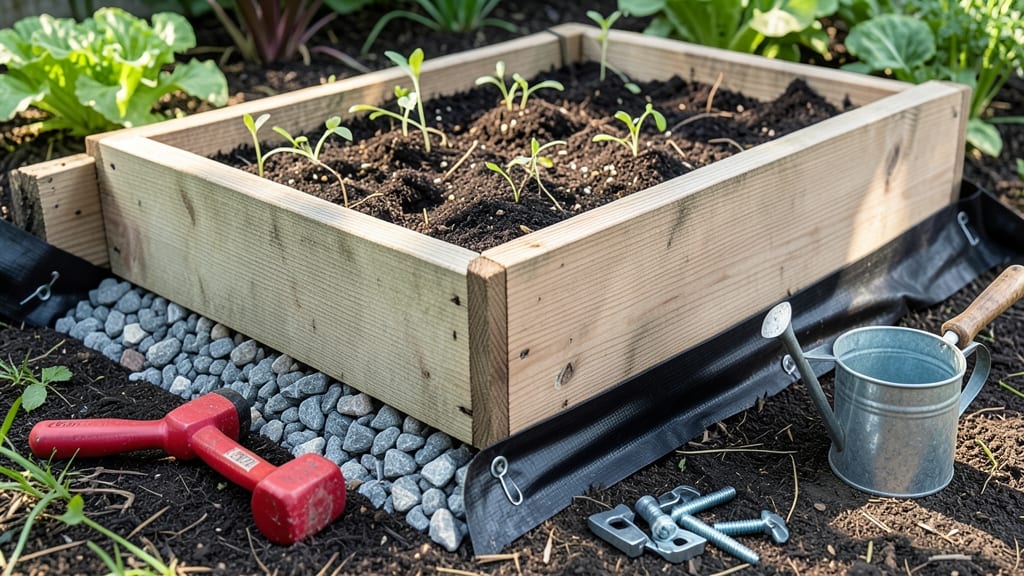
You can put a raised garden bed on concrete, but it requires proper drainage solutions (like gravel or landscape fabric) and structural reinforcement to handle weight limits of 300–500 lbs per bed while preventing cracking or shifting over time.
You can put a raised garden bed on concrete with the right precautions. 🌱 The key is preventing moisture buildup—concrete doesn't breathe like soil, so adding a 2-inch gravel layer or landscape fabric creates essential drainage. I've seen many gardeners use pressure-treated lumber beds on concrete patios, but always with corner braces or screws to distribute weight evenly. For heavier materials like cedar or metal, check your concrete's load-bearing capacity first—some older foundations can't handle more than 300 lbs per square foot.
Another critical factor is avoiding direct wood-to-concrete contact, which leads to rot. Always use standoffs or pavers to create airflow. If you're working with a large bed, consider splitting it into sections or using reinforced frames.
The right setup turns concrete from a challenge into a stable foundation that lasts for years—just don't skip the drainage layer!
💡 In This Article
- How to Prepare Concrete for a Raised Garden Bed
- Best Materials and Designs for Concrete-Based Raised Beds
How to prepare concrete for a raised garden bed
Concrete surfaces need special preparation because they're impermeable and can trap moisture against your garden bed's base. Start by thoroughly cleaning the area—remove any debris, weeds, or oil stains that could compromise adhesion.
If your concrete has cracks, fill them with a concrete patching compound to prevent moisture from seeping through later. The foundation must be completely level; use a 4-foot level to check for high or low spots, and grind down any protrusions with a concrete grinder if needed.
Next, create a drainage layer to prevent water from pooling beneath the bed. Spread a 2-inch layer of coarse gravel (like #57 stone) or crushed stone across the entire surface—this creates space for water to escape while also adding structural support.
For extra protection, lay down a landscape fabric over the gravel to block soil particles from clogging the drainage layer. This fabric also acts as a moisture barrier, preventing concrete moisture from wicking into your bed's base and causing rot in wooden frames.
The most critical step is preventing direct contact between wood and concrete. Without proper separation, the wood will absorb moisture from the concrete, leading to warping, mold, and structural failure within just a few seasons.
Use concrete pavers or plastic standoffs (available at hardware stores) to elevate your bed frame at least 1-2 inches above the concrete. For added stability, consider using adjustable metal legs that distribute weight evenly across the surface.
If you're working with a large bed, divide it into sections no wider than 4 feet to prevent sagging. Reinforce the corners with galvanized metal brackets or L-brackets screwed into both the bed frame and the concrete (using masonry screws for extra hold).
This reinforcement is especially important if your bed contains heavy materials like cedar or stone. Remember, concrete expands and contracts with temperature changes, so leaving a 1/4-inch gap between the bed and any fixed structures helps prevent cracking over time.
For extra longevity, consider adding a geotextile membrane between the gravel and your bed's base. This synthetic fabric allows water to pass through while blocking soil from migrating downward. I've seen this technique extend the life of raised beds on concrete by 3-5 years by completely eliminating moisture-related damage.
The upfront effort pays off in durability—your bed will stay stable and rot-free for seasons to come.
Finally, test your setup before planting. Fill the bed with water and let it sit for 24 hours to check for leaks or pooling. If water collects in any area, adjust your drainage layer or add more gravel.
This simple test reveals potential issues before you invest in expensive plants. With these preparations, your concrete foundation becomes a reliable, long-term home for your garden.