
Size
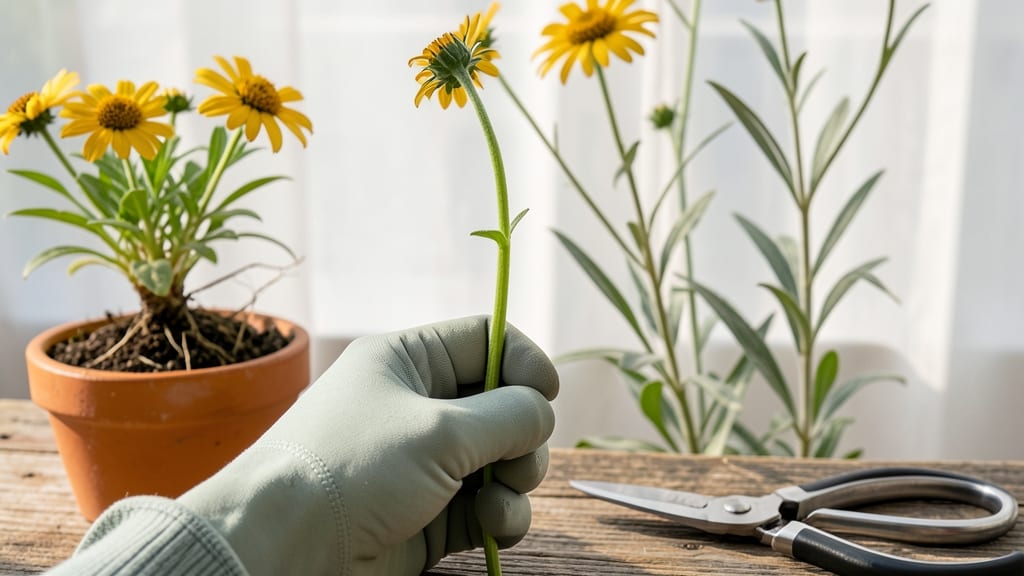
If you’ve ever wondered do you pinch the strawflower stems—or if you’re better off leaving them alone—you’re not alone. This simple pruning technique can transform a leggy, sparse plant into a bushy, bloom-packed beauty, but timing and technique make all the difference.
The key to success lies in acting early, when your strawflower is still young and flexible. Pinching encourages the plant to branch out, resulting in more flowers and a fuller shape.
But skip this step, and you might end up with a tall, skinny plant that struggles to support its own weight—or worse, flops over before it even blooms.
I’ll walk you through the exact when, where, and how to pinch strawflowers for the best results, plus what to do if you miss the window. Whether you’re a first-time gardener or a seasoned pro, these insights will help you grow a strawflower that’s the envy of the neighborhood.
Ready to turn those straggly stems into a lush, long-lasting display? Let’s get started with the secrets to pinching like a pro.
When and why to pinch strawflower stems for bushier growth
Strawflowers (Helichrysum bracteatum) are my go-to for long-lasting, drought-resistant blooms, but their potential often goes untapped without the right pruning. Pinching—removing the top growth—is a game-changer for encouraging bushier stems and denser flowers.
The key lies in timing and technique, which I’ve perfected over years of growing these sun-loving beauties in my Zone 6a garden.
Many gardeners hesitate to pinch strawflowers, fearing it will stunt growth or reduce blooms. But the science behind it is simple: by removing the terminal bud (the topmost growth point), you trigger the plant to send energy to side buds, producing more branches and flowers.
Think of it like redirecting traffic—your strawflower’s resources go where you want them!
When done correctly, pinching can increase bloom density by 30-50% and create a fuller, more compact plant. The trick is acting at the right growth stage. For strawflowers, this means pinching young plants (4-6 weeks after transplanting) when they’ve developed 4-6 true leaves but haven’t yet flowered.
Here’s the catch: Mature strawflowers (those already flowering) rarely benefit from pinching. In fact, pruning them too late can stress the plant and delay blooming. That’s why I always check for new growth and leaf nodes—if the plant is already flowering, skip it and focus on deadheading instead.
Another common myth is that pinching strawflowers will make them leggy or weak. But when done right, the opposite happens. The plant’s natural response to pinching is to bolster its structure, creating a sturdier framework for those papery blooms.
Just avoid overdoing it—never remove more than one-third of the plant’s top growth in a single session.
| Stage | Action | Benefit | Timing |
|---|---|---|---|
| Seedling (4-6 weeks) | Pinch above 4th-6th leaf | Stimulates branching | Spring (March-April) |
| Young Plant (6-8 weeks) | Pinch again if growth is sparse | Encourages fuller shape | Early summer (May) |
| Mature Plant (Flowering) | Deadhead instead | Promotes more blooms | Summer (June-August) |
| Overgrown Plant | Prune leggy stems | Revitalizes growth | Late summer (September) |
The best time to pinch strawflowers is in the early morning when the plant is hydrated and the air is cool. This reduces stress and gives the plant time to recover before the heat of the day.
I always use my clean fingers or sharp scissors to make a precise cut just above a leaf node—never tear the stem, as this can invite disease.
If you’re growing strawflowers in containers, pinching is even more critical. Container-grown plants have limited root space, so they rely on efficient branching to thrive. I’ve seen container strawflowers produce twice as many blooms when pinched correctly compared to unpruned counterparts.
Just ensure your pots have drainage holes to prevent root rot after pruning.
One mistake I see often is pinching strawflowers too late in the season. By mid-summer, the plant’s energy is focused on flowering, not new growth. Pinching at this stage can delay blooms or even prevent them entirely.
Instead, I wait until the following spring to pinch young plants, giving them a full growing season to recover and branch out.
For gardeners in drought-prone areas, pinching requires extra caution. Strawflowers are drought-tolerant, but removing too much growth can stress the plant, making it more susceptible to heat stress. In these cases, I recommend a light pinch (removing only the topmost bud) and monitoring soil moisture closely afterward.
Remember, the goal of pinching strawflowers isn’t just about more blooms—it’s about creating a healthier, more resilient plant. When done right, your strawflowers will reward you with vibrant color, longer vase life, and a fuller, more lush appearance.
Start with young plants, and you’ll see the difference in just a few weeks!
Step-by-step guide: how to pinch strawflower stems correctly
Pinching strawflower stems is one of the simplest ways to encourage bushier growth and more abundant blooms. The key is timing—you’ll want to act when your plant is young, typically 4-6 weeks after germination, before it reaches 6-8 inches tall.
At this stage, your strawflower is still flexible and responsive to pruning, making it the perfect candidate for this technique.
Before you begin, gather your tools: clean, sharp pruners or simply your fingers. Avoid using dull scissors or shears, as they can crush the stems and invite disease. If you’re using your hands, make sure they’re clean to prevent bacterial infections.
The goal is to remove the top set of leaves just above a leaf node—this is where new branches will sprout.
-
Step 1: Identify the Right Growth Stage
Wait until your strawflower has 4-6 sets of true leaves and is 6-8 inches tall. This ensures the plant has enough energy to recover and branch out.
-
Step 2: Locate the Leaf Node
Find the topmost set of leaves and count down to the 4th or 5th leaf node from the base. This is where you’ll make your cut.
-
Step 3: Pinch Above the Node
Using clean fingers or pruners, pinch or cut just above the leaf node (about 1/4 inch above). Avoid tearing the stem—aim for a clean break.
-
Step 4: Repeat for All Main Stems
If your plant has multiple main stems, repeat the process on each one. This encourages even branching and prevents lopsided growth.
-
Step 5: Post-Pinching Care
After pinching, water lightly to reduce stress and apply a balanced fertilizer (like 5-10-10) to support new growth. Keep the plant in bright, indirect light for 3-5 days to avoid sunburn.
First-time gardeners often wonder whether pinching is worth the effort. The results speak for themselves: a pinched strawflower will develop 3-5 times more side branches than an unpinched one, leading to a fuller, more vibrant plant.
Without pinching, your strawflower may grow tall and leggy, with fewer blooms and a weaker structure. Think of it as training your plant to grow in the shape you want—like sculpting a bush instead of letting it stretch like a single stalk.
If you miss the ideal pinching window, don’t panic. You can still encourage branching by pruning back leggy stems later in the season, though the results won’t be as dramatic. Focus on removing the top 2-3 inches of the stem just above a leaf node.
This method is less effective but better than doing nothing at all. Just remember: the earlier you pinch, the more dramatic the transformation.
After pinching, monitor your strawflower closely for signs of stress, like yellowing leaves or wilting. This can happen if you’ve over-pruned or the plant is struggling with heat or drought. To prevent this, keep the soil lightly moist and provide afternoon shade if temperatures exceed 90°F.
With proper care, your pinched strawflower will reward you with a denser, more resilient plant packed with blooms.