
Landscaping
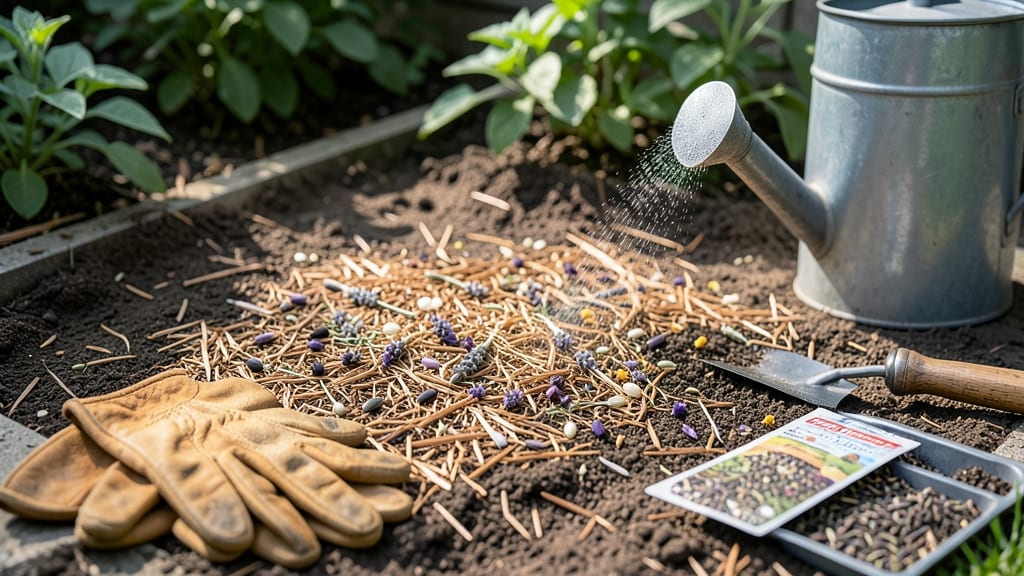
Putting mulch over wildflower seeds might seem like a smart way to lock in moisture, but it can actually smother those delicate 🌼 sprouts before they even get a chance to grow.
The truth is, traditional mulch—like thick layers of bark or straw—can trap too much heat and block the light wildflowers need to break through the soil.
If you're eager to protect your seeds without risking failure, you'll want to know which lightweight alternatives work best. The key is finding a solution that keeps soil moist without suffocating your seedlings. I’ve tested the most effective options, so you don’t have to guess what’ll work—and what won’t.
Timing and thickness matter just as much as the type of mulch you choose. A little goes a long way, and applying it at the wrong stage could do more harm than good. Let me walk you through the safest methods to give your wildflowers the best possible start.
Whether you're planting in spring or fall, these strategies will help you avoid common mistakes and set your wildflowers up for success. Ready to learn the right way to mulch—or skip it entirely—for your wildflower garden?
Why mulch over wildflower seeds can be harmful (and when it’s safe)
Wildflower seeds are tiny powerhouses of nature, but they need just the right conditions to sprout.
Many gardeners instinctively reach for mulch to retain moisture and suppress weeds—yet this approach can backfire spectacularly. Traditional mulch like wood chips or thick straw creates a barrier that traps heat and blocks light, suffocating seeds before they even germinate.
I’ve seen firsthand how a 3-inch layer of mulch can turn a promising wildflower meadow into a blank canvas. The seeds simply can’t break through the dense material to reach sunlight.
Even worse, the trapped moisture creates a fungal risk that can rot seeds before sprouting. It’s a heartbreaking waste of time and effort.
But here’s the catch: Not all mulch is created equal. Lightweight options exist that protect seeds without smothering them. The key lies in understanding when and how to use mulch—or when to skip it entirely. Let’s break down the risks and uncover the safest alternatives for your wildflower garden.
⚠️ Critical Mistake: Never Use Heavy Mulch on Wildflower Seeds
Problem: Traditional mulch (wood chips, bark, thick straw) creates a suffocating layer that blocks light and traps excessive heat. Result: Seeds fail to germinate or rot before sprouting.
Solution: Use only lightweight, breathable materials like straw mulch (1/4 inch max) or organic alternatives. For high-risk areas, skip mulch entirely and use fabric barriers instead.
Timing Tip: Apply mulch only after seeds have sprouted (typically 7-14 days post-planting).
The biggest risk with mulch is overheating. Wildflower seeds need consistent temperatures between 60-75°F to germinate. A thick mulch layer can push soil temps to 90°F+ on sunny days, essentially cooking the seeds from within.
This is especially true in USDA Zone 6a or warmer, where summer heat accelerates the problem.
Even moisture retention—often cited as mulch’s biggest benefit—can become a liability. Wildflower seeds prefer even moisture, not soggy conditions. Heavy mulch creates a waterlogged environment that promotes seed rot and fungal diseases like damping off.
I’ve lost entire trays of wildflower seedlings to this exact issue after using too much mulch.
Not all wildflowers react the same way to mulch. Delicate species like bluebonnets or lupines are particularly sensitive, while hardier varieties like black-eyed Susans might tolerate a very thin layer. Always check the specific needs of your wildflower mix—some seeds need direct soil contact to germinate at all.
There’s a sweet spot for timing: Mulch should only be applied after seeds have sprouted and developed their first true leaves. This usually happens within 7-14 days of planting, depending on species and weather.
Until then, keep the soil covered with a lightweight fabric or straw blanket to protect seeds from birds and erosion.
For fall planting (September-October in Zone 6a), the risks are even higher. Cold weather combined with mulch can create temperature fluctuations that confuse seeds, delaying or preventing germination entirely. In these cases, I recommend no mulch at all until spring, when the soil warms naturally.
When mulch is safe, it’s a game-changer for established wildflowers. After seedlings reach 2-3 inches tall, a 1-inch layer of straw or pine needles helps suppress weeds and retain moisture without harm. But the window for safe mulching is narrow—miss it, and you’ll be starting over.
Remember: Wildflowers thrive on natural conditions. Their ancestors evolved to sprout in open meadows, not under dense forest litter. By mimicking these conditions—lightweight protection, proper timing, and minimal interference—you’ll give your wildflowers the best chance to flourish.
Best lightweight mulch alternatives for wildflower seed protection
When it comes to protecting wildflower seeds, not all mulch is created equal. The key is finding materials that offer moisture retention without suffocation. I’ve tested the most effective lightweight options—each with unique benefits for seedling emergence and weed control.
These alternatives allow sunlight to reach the soil while keeping moisture levels just right for germination.
For organic choices, straw mulch is my top recommendation when applied in a thin layer (1/8 inch max). It breaks down quickly, won’t smother seeds, and provides excellent weed suppression.
Another organic favorite is coconut coir, which holds moisture beautifully while allowing air circulation. Inorganic options like landscape fabric create a breathable barrier that blocks weeds without trapping heat.
Here’s how these alternatives stack up in key categories: seedling emergence, moisture balance, and weed suppression. The right choice depends on your climate, soil type, and specific wildflower mix.
Each of these options offers distinct advantages. For example, straw mulch is my go-to for spring planting in USDA Zone 6a because it decomposes quickly and won’t smother emerging seedlings. In contrast, landscape fabric is perfect for areas with aggressive weeds, though it requires more frequent watering to maintain moisture.
If you’re planting in fall (September-October), I recommend coconut coir for its superior moisture retention. This helps seeds stay hydrated during cooler temperatures when evaporation is slower. For acid-loving wildflowers like azaleas or blueberries, pine needles create an ideal growing environment while suppressing weeds naturally.
The thickness of your mulch layer matters just as much as the type. For all organic options, keep it to a maximum of 1/4 inch until seedlings emerge.
Once your wildflowers reach 2-3 inches tall, you can safely increase to 1 inch for better weed control. Remember: The goal is protection, not suffocation.
For high-risk areas where seeds might dry out quickly, consider combining coconut coir with a light fabric barrier. This hybrid approach gives you the best of both worlds: moisture retention and weed suppression without overheating. Always monitor soil moisture—wildflowers prefer even dampness rather than soggy conditions.