
Size
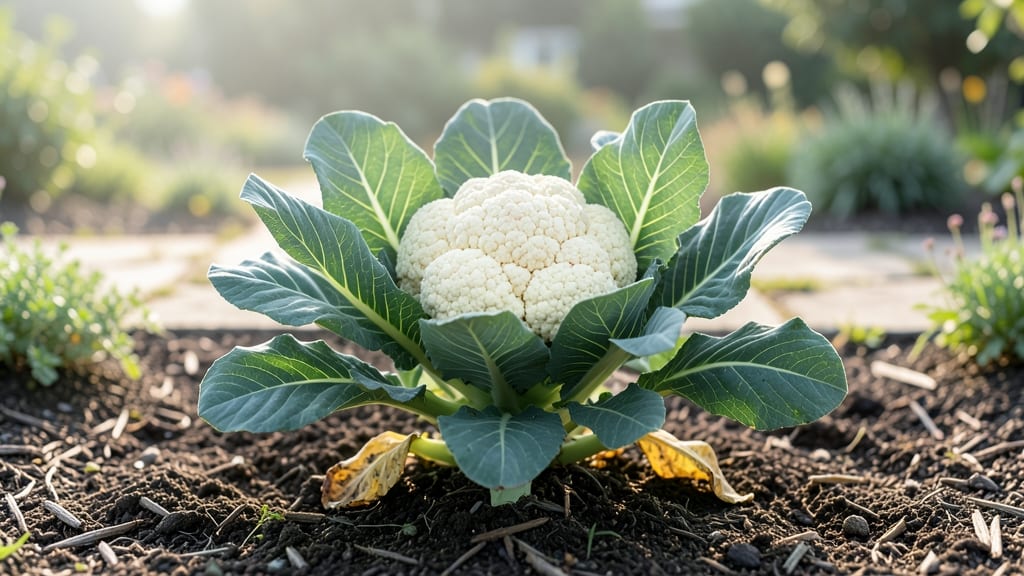
Growing your own 🥬 cauliflower is incredibly rewarding, but knowing exactly how long it takes to harvest can make all the difference between a thriving garden and a frustrating wait.
Most varieties reach maturity in just 70-100 days from planting, but the timeline can shift based on factors like temperature, soil quality, and even the type of seeds you choose.
If you're planning your spring garden, timing is everything. Starting seeds indoors 4-6 weeks before the last frost gives them a head start, while transplanting at the right moment ensures they don’t bolt too quickly.
Whether you're growing classic Snowball or vibrant Romanesco, understanding these stages helps you set realistic expectations and avoid common pitfalls.
What if you want to speed up the process? The right soil, consistent watering, and proper sunlight can shave weeks off your harvest time. On the flip side, cooler climates or slower-growing varieties might take the full 100 days—but with the right care, you can still maximize your yield.
Let’s break down how to get from seed to table efficiently.
From germination to that perfect, firm head, every step counts. By the end of this guide, you’ll know exactly how to time your planting, spot signs of maturity, and troubleshoot delays. Ready to grow your best 🥬 cauliflower yet?


Cauliflower growth timeline: days to harvest by variety (seed to table)
Growing cauliflower from seed to harvest is a rewarding journey that typically spans 70 to 120 days, but the exact timeline depends on the variety and growing conditions.
Understanding your cauliflower's growth stages—from germination to head formation—helps you plan for a successful harvest. Let’s break down the process by popular varieties and what affects their growth speed.
Most cauliflower varieties follow a similar growth pattern: 5-7 days to germinate, 4-6 weeks to reach transplant size, and 60-90 days to form a harvestable head. However, temperature, light exposure, and soil quality can accelerate or delay this timeline.
For example, cooler climates may extend growth, while warm, sunny conditions can speed it up.
Here’s a quick reference for the most common cauliflower varieties and their typical growth timelines from seed to harvest:
| Variety | Days to Germination | Days to Transplant | Days to Harvest | Head Size | Color |
|---|---|---|---|---|---|
| Snowball | 5-7 | 4-6 weeks | 70-90 | 6-8 inches | White |
| Romanesco | 7-10 | 5-7 weeks | 80-100 | 4-6 inches | Green |
| Purple | 6-8 | 4-5 weeks | 75-95 | 5-7 inches | Purple |
| Graffiti | 5-7 | 4-6 weeks | 65-85 | 4-6 inches | Colorful stripes |
| Cheddar | 6-8 | 5-7 weeks | 70-85 | 5-7 inches | Orange |
The germination stage is the first critical phase, where seeds sprout within 5 to 10 days under ideal conditions. Keep soil consistently moist and maintain a temperature between 60-75°F for best results.
If your soil is too cold or dry, germination can take 2-3 weeks longer, delaying your entire harvest timeline.
Once seedlings emerge, they’ll enter the transplant stage after about 4-6 weeks. During this phase, focus on hardening off seedlings by gradually exposing them to outdoor conditions. Transplant them 2-3 weeks before the last frost date in your area to ensure they have enough time to mature.
If you’re in a cooler climate, like USDA Zone 4 or 5, consider starting seeds indoors for an earlier transplant.
Head formation is where the magic happens! Most varieties begin forming heads 60-70 days after transplanting. This stage is highly sensitive to temperature fluctuations. For example, Romanesco thrives in cooler weather, while Snowball varieties can handle slightly warmer conditions.
If temperatures rise above 80°F, heads may bolt or become bitter, so provide afternoon shade in hot climates.
Light plays a crucial role in accelerating or slowing growth. Cauliflower needs 6+ hours of sunlight daily to develop properly. In shady spots, growth can stretch out by 10-20 days, while optimal sunlight speeds up head formation
How to speed up or slow down cauliflower growth (pro tips for faster or extended harvests)
Want to adjust your 🥬 cauliflower growth timeline? Whether you're chasing an early harvest or extending the season, small tweaks can make a big difference. The key lies in understanding how soil nutrients, watering patterns, and seasonal timing interact with your plants.
For example, warm soil temperatures can accelerate germination by 20-30%, while cooler nights slow head formation—both are tools you can use strategically.
Most gardeners aim for a 70-100 day harvest window, but with the right techniques, you can push that range to 60 days for early varieties or stretch it to 120 days in cooler climates.
The secret? Balancing nitrogen for leafy growth with phosphorus for head development while managing moisture levels. Let’s dive into actionable strategies to fine-tune your cauliflower’s growth pace.
Add compost or aged manure 2 weeks before transplanting to provide organic matter and micronutrients. Aim for 2-3 inches of compost mixed into the topsoil. This jumpstarts root growth and can cut 10-15 days off your harvest time.
Switch to a 5-10-10 NPK fertilizer when heads begin forming. Phosphorus promotes flowering and head development, accelerating maturity by 7-10 days. Apply 1 tablespoon per plant every 4-6 weeks during the growing season.
Deep watering (1-2 inches) every 2-3 days ensures consistent moisture without stressing roots. Watering in the morning reduces evaporation and fungal risks. For faster growth, increase frequency to daily during hot spells, but avoid soggy soil.
In hot climates, use 30-50% shade cloth to prevent bolting. This slows growth slightly but keeps plants healthy for 2-3 extra weeks of harvest potential. Remove cloth in cooler months to speed up maturity naturally.
Opt for early-season varieties like Snowball Y Improved (60-70 days) or Purple of Sicily (70-80 days). These thrive in cooler weather and reach harvest faster than standard types. Save slower varieties (like Romanesco) for extended seasons.
To slow down growth—perhaps to avoid bolting in heat—focus on cooler soil temperatures and moderate nitrogen. Plant in late spring or early fall when days are shorter, and mulch heavily to keep roots cool.
This can stretch your harvest window by 3-4 weeks, giving you flexibility in less-than-ideal conditions.
Pro tip: Monitor your plants’ leaf color and stem thickness. Yellowing leaves signal nitrogen deficiency (speed up growth with fertilizer), while thin stems mean roots need more phosphorus (slow growth until roots strengthen). Adjust your approach based on these visual cues for optimal timing.
With these strategies, you’ll master the art of cauliflower growth control, whether you’re racing for an early harvest or savoring a late-season bounty. Happy gardening! 🌱