
Flowers
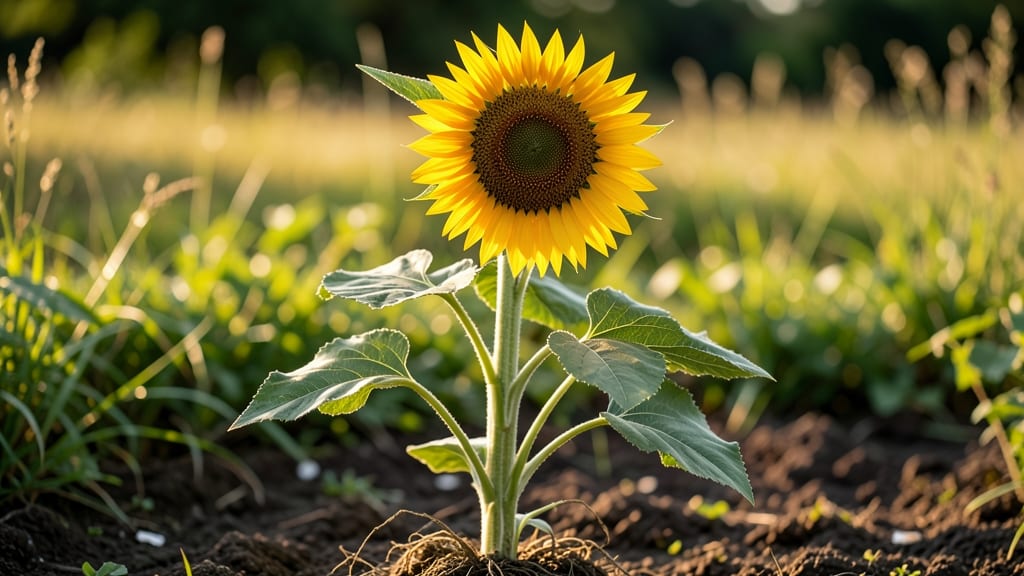
Want to know do sunflowers need full sun to reach their towering, golden potential? The answer lies in sunlight—and getting this part wrong could leave you with sad, lanky stems instead of the vibrant blooms you envisioned.
Sunflowers are sun worshippers, craving 6-8 hours of direct sunlight daily to fuel their rapid growth. But what happens when they don’t get enough? Weak stems, sparse blooms, and seeds that struggle to develop.
Even in USDA Zone 6a, where spring planting begins in April, positioning matters more than you might think.
Here’s the good news: sunflowers are tougher than they look. While they thrive in full sun, they can tolerate some shade—especially in hot climates where afternoon sun might be too intense. The key is understanding how much light your specific variety needs and how to work with your garden’s layout.
I’ll break down exactly how to position your sunflowers for success, which varieties handle partial shade best, and how to spot (and fix) signs of light deprivation before it’s too late. Let’s make sure your sunflowers grow strong and proud!

How much sun sunflowers actually need (and what happens if they don’t get enough)
Sunflowers thrive under bright sunlight, but how much exactly? While they’re famously sun-loving, 6+ hours of direct light is the absolute minimum—though 8+ hours produces the biggest, most vibrant blooms.
Think of them like sun-worshipping divas: skimp on light, and they’ll throw a tantrum with weak stems and tiny flowers. The key lies in their photosynthesis efficiency, which peaks in full sun, fueling rapid growth and seed production.
In nature, sunflowers follow the sun (heliotropism) to maximize energy absorption. This instinct translates to your garden: a south-facing spot with unobstructed sunlight is ideal. Even partial shade (3-6 hours of sun) can stunt growth, though some dwarf varieties tolerate it better.
The trade-off? Fewer flowers, smaller heads, and leggy stems that flop under their own weight.
⚠️ CRITICAL NOTE: Sunflowers won’t just "survive" in shade—they’ll etiolate, stretching painfully toward light with pale, weak stems. This happens when chlorophyll breaks down due to insufficient light, leaving plants vulnerable to pests and disease. The result? Misshapen blooms and poor seed yields, which is especially disappointing if you’re growing them for harvest.
| Light Condition | Sun Hours/Day | Growth Impact | Flowering | Seed Production |
|---|---|---|---|---|
| Full Sun | 8+ hours | Tall, sturdy stems; rapid growth | Large, vibrant blooms | High yield, plump seeds |
| Partial Sun | 6 hours | Leggy stems; slower growth | Smaller flowers, delayed blooming | Reduced seed quality |
| Light Shade | 3-5 hours | Etiolation; weak, pale stems | Minimal to no flowers | Near-zero seed production |
If your garden lacks full sun, don’t despair! Reflective surfaces like white walls or mirrors can trick sunflowers into thinking they’re in brighter conditions. Place them 1-2 feet away from your plants to bounce extra light onto leaves.
Another trick? Rotate pots daily to ensure even light exposure. Even in partial shade, dwarf varieties like 'Teddy Bear' or 'Moulin Rouge' can still produce cheerful blooms—just expect smaller stature and fewer seeds.
For container growers, south-facing balconies or rooftops are ideal, but even west-facing spots work if they get 6+ hours of afternoon sun. Avoid east-facing locations unless you’re growing short-season varieties, as morning light alone won’t sustain their energy needs.
Pro tip: Monitor leaf color—deep green means they’re happy, while yellowing or purpling signals light deprivation.
Science backs up the sunflower’s love affair with light: their chloroplasts (the photosynthesis powerhouses) are optimized for high-light conditions. In shade, these cells produce less glucose, slowing growth and redirecting energy to stem elongation instead of flower development.
This is why sun-starved sunflowers often bolt (premature flowering) in a desperate attempt to reproduce before they collapse.
Here’s how to diagnose light issues quickly: - Stems longer than 2 feet with few leaves? Etiolation alert! - Flowers under 6 inches wide? Likely light-deprived. - Leaves turning yellow between veins? Chlorosis from insufficient light.
Adjust your plants’ location immediately—sunflowers won’t recover on their own. Move them closer to a sunny window or into a sunnier garden bed within 24 hours to prevent permanent damage.
In hot climates, sunflowers appreciate afternoon shade to prevent wilting, but this shouldn’t replace morning sun. Think of it as a cool-down period, not a light substitute. Mulch with straw or wood chips to retain moisture and protect roots from temperature swings.
For container sunflowers, ensure pots have drainage holes and use lightweight soil to prevent root rot in intense heat.
Remember: sunflowers aren’t just about looks—they’re edible powerhouses. Seeds from light-deprived plants will be smaller and less nutritious, with lower oil content. If you’re growing them for birdseed or culinary use, prioritize full sun to maximize yield.
Even a 1-hour difference in daily sunlight can mean the difference between a bountiful harvest and a disappointing one.
🌻 For the best results, pair your sunflowers with shade-tolerant companions like bush beans or lettuce to make the most of mixed-light spaces. And if all else fails? Grow sunflowers indoors under grow lights (
Best sunflower varieties for partial shade (and how to maximize their potential)
If your garden has partial shade—whether from trees, buildings, or dense foliage—don’t assume sunflowers are off the table. While they love full sun, some varieties adapt surprisingly well to 4-6 hours of sunlight daily.
The trick is choosing the right cultivar and giving them a little extra TLC to compensate for lower light.
I’ve grown sunflowers in USDA Zone 6a with mixed shade, and these varieties consistently deliver stunning blooms even when sunlight is limited. The key is understanding their light tolerance thresholds and using creative solutions like reflective mulch or strategic companion planting to boost their energy.
Here’s my curated list of shade-tolerant sunflowers, ranked from most adaptable to those that need just a little extra light assistance:
🌻 Top Sunflower Varieties for Partial Shade
- Teddy Bear - Dwarf variety (1-2 ft tall) thrives in 3-4 hours of light. Perfect for containers or shaded borders.
- Moulin Rouge - Red-petaled variety handles 4-5 hours of sun. Stunning contrast in mixed-light gardens.
- Autumn Beauty - Multi-colored blooms tolerate 5-6 hours of light. Ideal for cutting gardens in partial shade.
- Russian Giant - Tall but adaptable (10-12 ft) grows well with 6 hours of morning sun and afternoon shade.
- ProCut - Commercial variety handles 4-5 hours of light. Great for bouquets from shaded areas.
💡 Pro Tip: For varieties needing 5+ hours of sun, place them near white or silver reflective surfaces to bounce extra light onto leaves.
To maximize your sunflowers’ potential in partial shade, start by planting them where they’ll get the brightest light available. In my garden, I position them near a south-facing wall or use aluminum foil-wrapped stakes to reflect sunlight upward.
Another trick? Plant them alongside tall, fast-growing companions like corn or sun-loving herbs that create a "light tunnel" effect.
Don’t forget to rotate your plants every few weeks to ensure all sides receive equal light exposure. I also swear by a balanced fertilizer (like 10-10-10) applied every 4-6 weeks to compensate for reduced photosynthesis.
The result? Sunflowers that may not reach their full height but still produce vibrant blooms and viable seeds—even in less-than-ideal light.
If you’re working with deep shade (less than 4 hours of sun), consider treating sunflowers as annuals rather than perennials. They’ll still grow, but expect smaller blooms and weaker stems.
In these cases, focus on dwarf varieties like Teddy Bear and pair them with shade-loving companions like coleus or impatiens to create a colorful, low-maintenance display.
Remember, sunflowers are resilient. With the right variety and a few clever adjustments, you can enjoy their cheerful faces—even in the shadiest corners of your garden. The secret? Work with their natural adaptability rather than fighting their light needs. 🌱