
Flowers
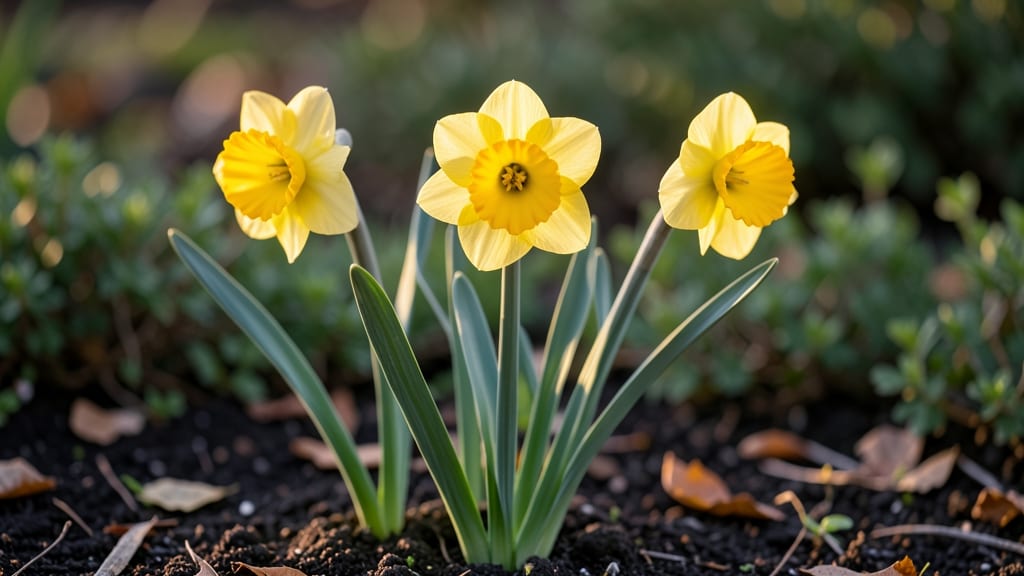
When your daffodil flowering time feels like a guessing game—blooms appearing too early, too late, or not at all—you’re not just dealing with patience, but with a few key gardening factors you can control.
These cheerful 🌼 flowers thrive on precision, and their bloom windows are far more predictable than most gardeners realize.
The secret to reliable blooms lies in your USDA Zone, variety selection, and even how you prep the soil in fall.
Whether you’re in Zone 6 or further south, understanding these triggers lets you plan your garden like a pro—no more waiting months to see if those bulbs will cooperate.
In this guide, I’ll break down the exact months daffodils bloom by zone, plus proven tricks to shift their timing by weeks. You’ll learn how to troubleshoot common delays and create a display that greets spring with perfect punctuality.
Ready to turn your daffodil patch into a timely, show-stopping spectacle? Let’s get started with the science behind those golden trumpets.
Daffodil flowering time by USDA hardiness Zone: month-by-month breakdown
Daffodils are nature's spring heralds, but their bloom timing varies wildly depending on your USDA hardiness zone. In Zone 3, you might see snow still clinging to branches when early varieties pop, while Zone 10 gardeners enjoy blooms as early as December.
This zone-specific guide reveals the exact month-by-month windows for reliable daffodil blooms—plus how to choose varieties that sync with your climate.
All daffodils need 6-16 weeks of cold temperatures (below 40°F) to trigger flowering, a process called vernalization. Planting in fall ensures bulbs get their chilling requirements met naturally.
But if you live in warmer zones (8-10), you'll need to select varieties with shorter chilling needs or use refrigeration tricks to force blooms.
In Zones 3-4, the coldest regions, daffodils often bloom in late April to early May—right when gardeners start dreaming of summer. Varieties like 'February Gold' push the envelope, sometimes flowering as early as mid-April if planted in well-draining soil with full sun exposure.
These zones benefit from longer daylight hours in spring, which accelerate bloom timing.
Gardeners in Zones 5-6 experience the classic April-May bloom window, perfect for Easter displays. Here, 'Carlton' (a mid-season variety) becomes a crowd-pleaser, offering bright yellow blooms that last 7-10 days per stem.
For extended color, plant early 'Tête-à-Tête' alongside late 'Gladiator'—this creates a 3-week bloom cascade that brightens gardens from late March to early May.
Warmer Zones 7-8 defy expectations by producing February blooms, often while other perennials still sleep. This is where short-chilling varieties like 'February Gold' shine. Pro tip: Plant bulbs in partial shade to delay foliage growth and preserve bloom energy.
In these zones, daffodils often finish blooming by mid-March, making way for spring bulbs like tulips.
The mildest zones (9-10) offer a unique advantage: year-round bloom potential. With the right varieties, you can enjoy December-January blooms followed by spring reblooms if you deadhead spent flowers. 'Minnow' and 'Tête-à-Tête' are top picks here, but remember—these zones require winter chill tricks.
Store bulbs in refrigerated conditions (35-40°F) for 8-10 weeks before planting to satisfy chilling needs.
Regardless of zone, soil temperature plays a critical role. Daffodils need soil temps between 50-60°F to break dormancy. In warmer zones, this often happens in winter, while cooler zones may wait until late winter.
Use a soil thermometer to monitor—planting too early in cold soil can delay blooming by weeks.
For extended blooms, combine varieties with
How to adjust planting time for earlier or later blooms
Want to coax your daffodils into blooming weeks ahead of schedule—or delay their show for a late-spring surprise? The key lies in strategic planting and a few clever gardening tricks.
By tweaking when and how you plant, you can shift their flowering time by 2-4 weeks without sacrificing health or vigor. Whether you're chasing an earlier burst of color or extending your garden's season, these methods work like magic.
First, let’s talk about the most powerful lever: planting time. Most gardeners know daffodils need fall planting, but the exact timing matters. Planting in early fall (September-October) triggers earlier blooms, while waiting until late fall (November-December) pushes flowers later.
For example, in Zone 6, early fall planting often means blooms by late March, while late fall planting might delay them until April.
Here’s how to fine-tune your approach for precise timing:
- 📅 Plant in early fall (September-October) for earlier blooms—bulbs get a head start on root growth before winter.
- 🌡️ Use soil warming tricks—cover planting areas with black plastic in late winter to raise soil temps by 5-10°F, speeding up growth.
- 🌱 Choose smaller bulbs (1-2 inches) for faster flowering—they mature quicker than large bulbs but still produce vibrant blooms.
- ☀️ Select early-blooming varieties like 'Tête-à-Tête' (dwarf) or 'Ice Follies' (white) for 2-3 week advances over standard types.
- 🌧️ Water deeply in late winter to jumpstart root activity—daffodils need 1 inch of water weekly once shoots emerge.
For later blooms, try planting in late fall (November-December) or even early winter (January in mild zones). This gives bulbs less time to grow before spring, delaying flowers by 1-2 weeks.
Pair this with larger bulbs (2+ inches), which take longer to flower but produce showier blooms. Varieties like 'Papillon' or 'Peach Sultan' naturally bloom later, extending your season by 3-4 weeks.
Pro tip: Combine these methods for dramatic results. For example, plant small bulbs in early fall under black plastic, then water heavily in late winter. You could shift blooms by up to 4 weeks earlier than your neighbors’ gardens!
Just remember—consistent soil moisture and full sun are non-negotiable for any timing strategy.
Experiment with one technique at a time to see what works best in your climate. Before you know it, your daffodils will bloom exactly when you want them to—no more waiting for Mother Nature’s unpredictable schedule. Happy planting!